Amcor Rigid Packaging
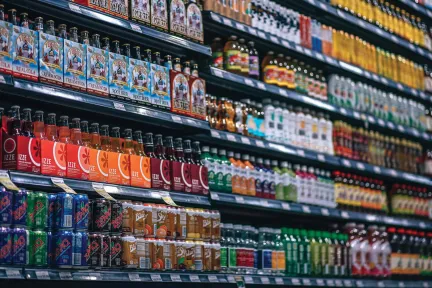
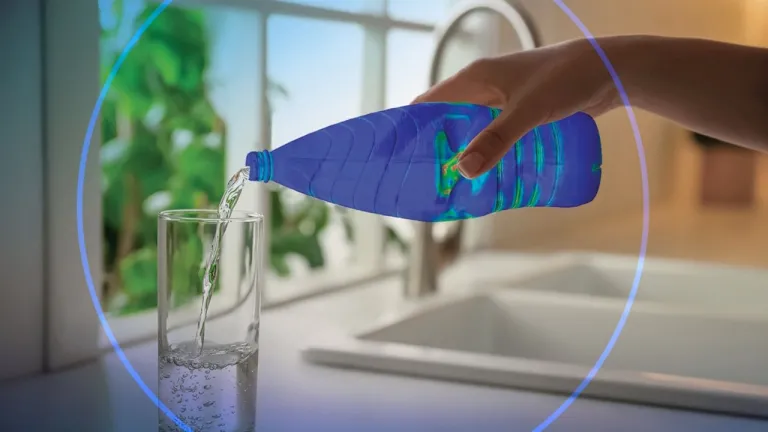
Leading container manufacturer Amcor Rigid Packaging is continually looking for ways to reduce the amount of material used in beverage containers while keeping them strong and cost-effective to produce.
Customer Story
Eco-design powered by simulation for sustainable products
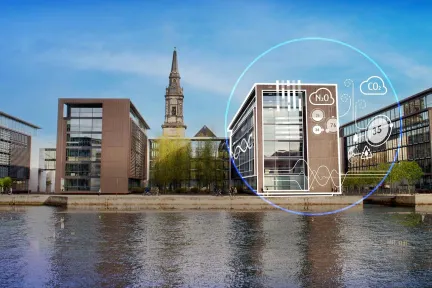
Sustainability is not just a luxury – it’s increasingly vital to success across industry. No matter what the industry, companies face environmental regulations covering numerous areas such as emissions and circularity. These rules put increasingly strict limits on the environmental impact of products, but they also provide opportunities to cut costs and attract new customers that come with developing more sustainable products. In addition – as recent events have shown – energy security is essential for avoiding uncertainty and risk in the supply chain.
Managing sustainability, while also meeting performance and cost objectives, can be a challenge, and trade-offs often need to be found between environmental impact and other factors. Material choice, weight reduction, energy efficiency and other sustainability measures can all affect other aspects of performance such as strength, durability and power. Simulation provides engineers with the tools needed to assess the sustainability of a product early in the process, and optimize designs to find the best trade-offs that meets all objectives.
The SIMULIA brand of Dassault Systèmes offers a portfolio of simulation tools used in leading companies to analyze and optimize product performance. These are linked directly to design tools through unified Modeling and Simulation (MODSIM), allowing users to take sustainability into account at any stage of development.
Integrated modeling and simulation (MODSIM) gives designers access to the power of simulation from the earliest stages of development. It gives insight into sustainability and environmental impact at all stages of design.
Simulation accelerates sustainability analysis, cut time-to-market, and reduce the risk of problems emerging later that lead to expensive redesigns or recalls.
Understand performance and environmental impact on a virtual twin of the real product. Ensure the product works in real world conditions while minimizing waste from manufacturing prototypes.
Find the best trade offs between numerous design variants in order to minimize environmental impact and meet sustainability goals while still fulfilling all design requirements.
A circular economy is one in which a product that reaches the end of its life can be reused, repaired or recycled into something new. Many industries are faced with the challenge of becoming more circular, especially those connected to product packaging. Simulation offers two big benefits to circular design. First, SIMULIA optimization and lightweighting tools can automatically help product designers minimize material use in their designs, and therefore reduce both manufacturing cost and environmental impact. Secondly, physics simulation can assess the performance of alternative designs – for example, using recycled or recyclable materials – to give designers confidence that sustainable products and packaging will work in real-world scenarios.
Customer in consumer goods industry increased the recycled material content from 10% to 76% and reduced plastic usage by 18% while maintaining the same performance and product quality through simulation and optimized material utilization.
Leading container manufacturer Amcor Rigid Packaging is continually looking for ways to reduce the amount of material used in beverage containers while keeping them strong and cost-effective to produce.
Customer Story
RETAL uses Dassault Systèmes' 3DEXPERIENCE platform, including its integrated applications CATIA for design and SIMULIA for analysis and digital simulation
Customer Story
TECKDES partnered with Dassault Systèmes to better collaborate and transform its end-to-end processes through the 3DEXPERIENCE platform and its Perfect Package industry solution experience.
Customer Story
The environmental impact of fossil fuels has long been known, but recent geopolitical events have exposed their vulnerability, and highlighted the importance of a secure, diverse energy supply. The challenge is not just to generate electricity sustainably, but also to store it during periods of low generation, and distribute it where it’s needed in the new, highly electrified economy.
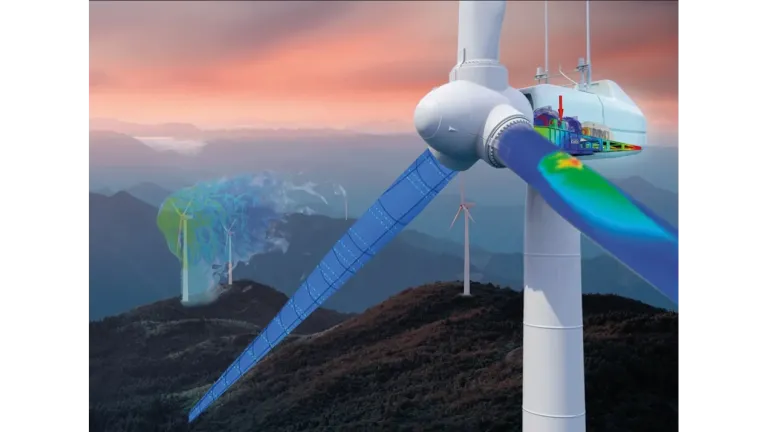
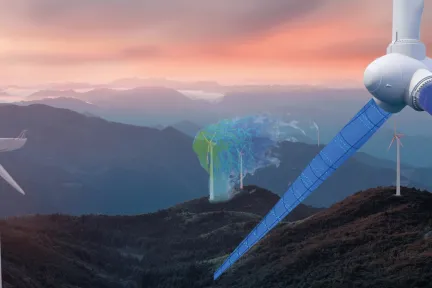
SIMULIA tools are empowering engineers to build bigger, more powerful wind turbines while minimizing the noise impact on surrounding communities. They’re helping to design the next generation of cheaper, safer, small modular nuclear reactors. They’re assisting the development of grid infrastructure and energy storage solutions such as green hydrogen. And they’re even being used to dream up the energy technologies of tomorrow in experimental fusion projects.
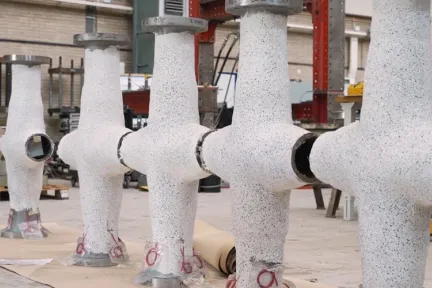
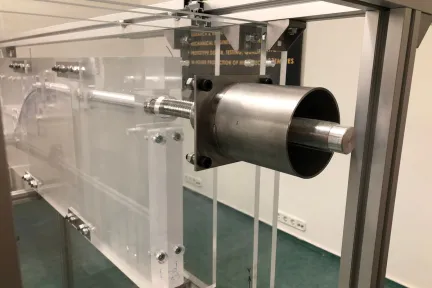
Customer in wind industry saved 6,857 tCO2e per 1,000 turbines annually by optimizing spindles to reduce material use
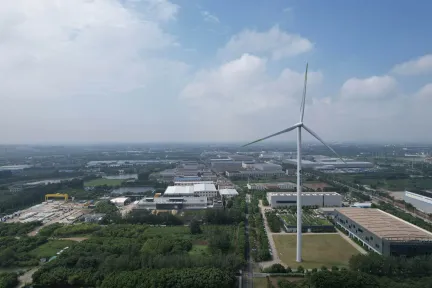
Discover how Envision uses the 3DEXPERIENCE platform to manage all its wind turbines development processes in one centralized location.
Customer Story
Managing the micro modular reactor's lifecycle from the ground up within a centralized ecosystem.
Customer Story
GEMS Engineering offers innovative engineering solutions focusing on fusion technology. The company adopted the 3DEXPERIENCE platform on the cloud to centralize all data.
Customer Story
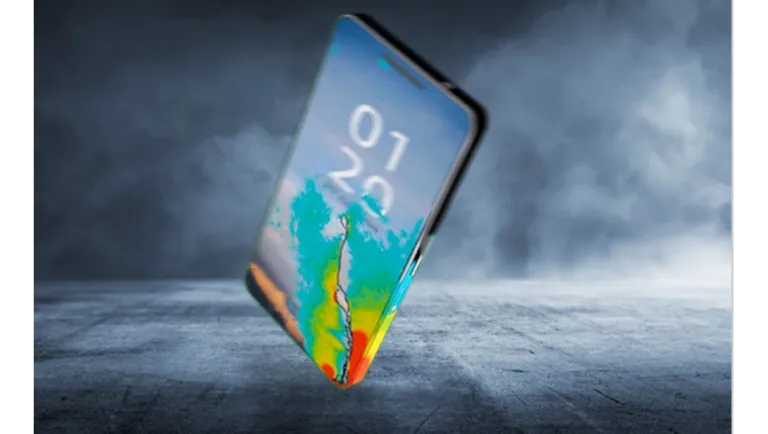
Consumer electronics are a major source of e-waste, and governments are starting to enact measures to reduce it, such as electronic waste recycling programs and “right to repair” laws. Longer-lasting products result in less waste, and they also can reduce the cost of dealing with warranty claims. Simulation fatigue analysis reveals behavior across the entire product lifecycle, even after years of use, and helps to design more durable products. It can also replicate standard physical tests such as drop testing, bending and water immersion, to give confidence that devices can survive daily use.
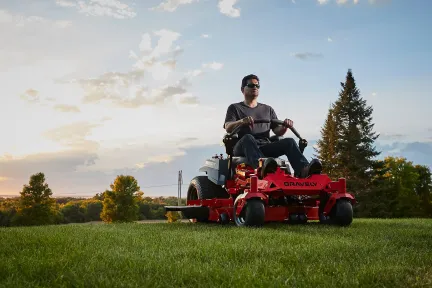
Ariens engineers used Abaqus/CAE and fe-safe from Dassault Systèmes SIMULIA, along with Wolfstar Technologies’ True-Load, to locate and accurately model strain gauges in all areas of the lawn mower, enabling weld elimination, part-count reduction, fatigue life improvement and other design enhancements.
Customer Story
WSAudiology uses SIMULIA's CST Studio Suite to optimize their hearing instruments. Faster and more precise simulations help WSA speed up product development cycles and allow them to maximize innovation.
Customer Story
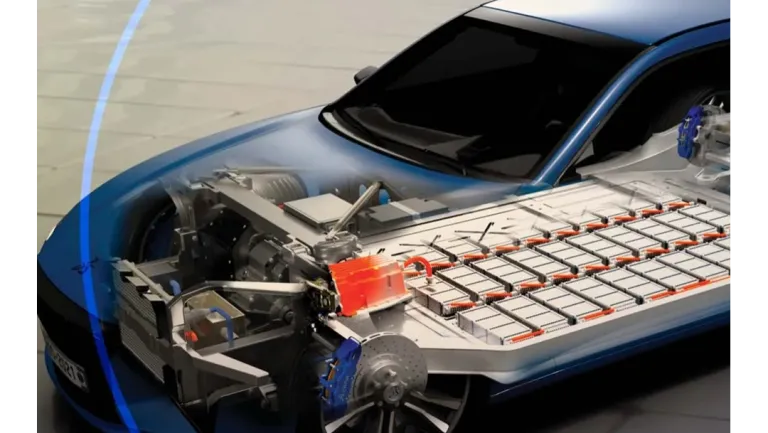
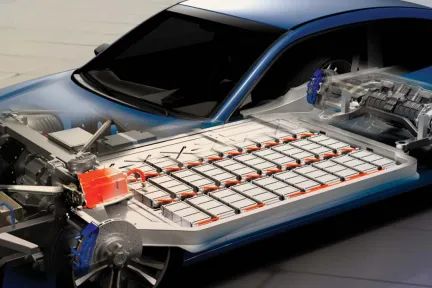
Electric vehicles (EVs) are passing a tipping point – in some markets across Europe and Asia, EVs already outsell internal combustion engine (ICE) vehicles, and this trend will only accelerate as EVs improve, and ICE phase-out deadlines approach. Automotive manufacturers need to stay ahead of this trend, constantly innovating in a fast-moving market. SIMULIA simulation tools are being used in leading automotive manufacturers to develop the next generation of vehicles, from the battery, to the motor, to the tire, to the full assembly.
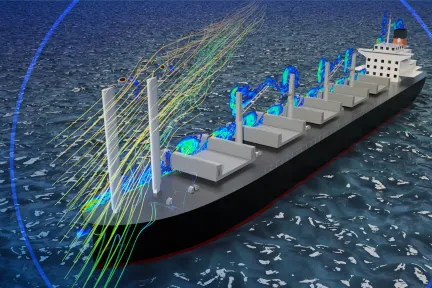
Making vehicles more efficient reduces carbon emissions, while also saving money and increasing vehicle range. Simulation supports the complex trade-offs needed to find the best, most efficient design, while still meeting customer expectations for cost, performance and comfort. The multiphysics SIMULIA portfolio can assess a wide range of efficiency factors, from vehicle aerodynamics and weight reduction, to transmission dynamics and gearbox lubrication.
Customer in automotive industry reduced fuel use by 3,599 liters for 1 truck over 1 year of average mileage by optimizing aerodynamics
Electrification mandates are also reaching other sectors, such as industrial equipment, marine & offshore, and even aerospace and defense. From trains to e-VTOL aircraft to industrial robotics, simulation is helping industries electrify faster.
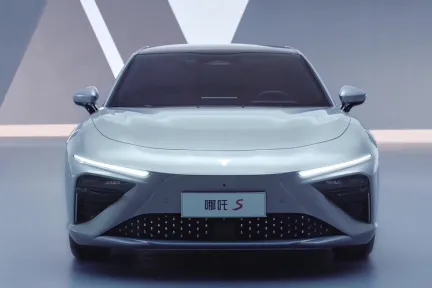
Discover how Neta Auto uses the 3DEXPERIENCE platform to develop luxury electric cars, saving significant costs and shortening the product development cycle.
Customer Story
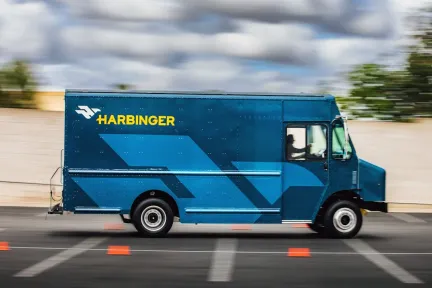
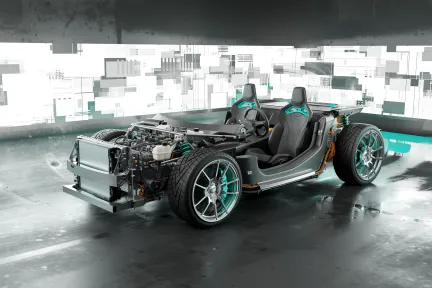
Discover how Harbinger innovates its battery-electric chassis to support medium-duty truck electrification with the 3DEXPERIENCE platform.
Customer Story
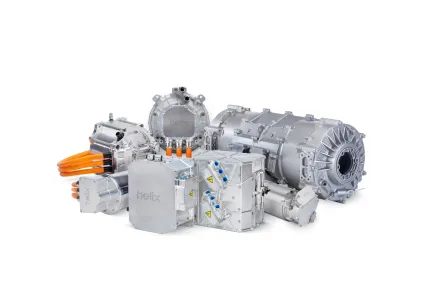
Electric powertrains developer Helix has broken records and won awards for its high-performance electric motors and inverters using 3DEXPERIENCE.
Customer Story
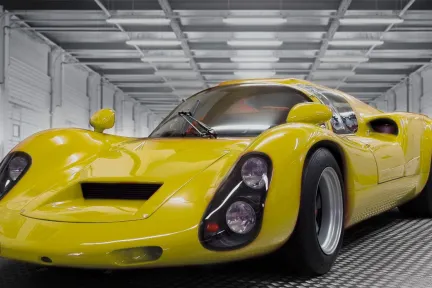
German engineering company Roding Mobility uses the 3DEXPERIENCE platform to manage its increasingly complex products such as electric mobility concepts.
Customer Story
Discover how Kreisel Electric uses the 3DEXPERIENCE platform for digital continuity.
Customer Story
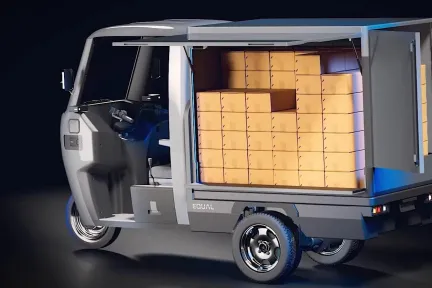
Equal was able to collaborate from design to engineering with the 3DEXPERIENCE platform on Cloud. The Korean startup could speed up their prototype design processes and bring their electric vehicle to market in record time.
Customer Story
Product development often involves building and testing a large number of prototypes. Each one costs time and money, as well as using materials and energy in its construction. Cutting physical testing with virtual prototyping reduces cost dramatically, and significantly accelerates development, while simultaneously reducing the environmental impact of the testing process.
Customer in rail industry saved 24 t CO2e and 1.158 t material mass per test by using virtual testing
Sustainability is changing the world. Discover how to stay a step ahead with SIMULIA
Reduce Building Emissions from Heating, Ventilation, and Air Conditioning
White Papers
We had the opportunity to interview Technology Specialist Per Karlsson and Modeling & Simulation Development Engineer Karolina Wamsler of Tetra Pak at the 2025 SIMULIA EuroNorth Regional User Meeting (RUM) about their presentation: Simulating towards the world’s most sustainable food package | EURONORTH RUM 2025. Hear how Tetra Pak is using structural simulation technology from the SIMULIA brand of Dassault Systèmes, to accelerate the design and sealing performance of today’s sustainable packaging.
Article
Developing premium yet affordable electric vehicles requires Chinese car manufacturer Neta Auto to maintain a keen focus on costs and productivity at every stage of the product development cycle – something it’s achieving with the 3DEXPERIENCE platform.
Article
Harbinger is redefining the medium-duty truck segment with its innovative electric vehicle featuring a reimagined, scalable chassis architecture – developed entirely on the 3DEXPERIENCE platform.
Article
Chinese green energy technology company Envision Energy uses the 3DEXPERIENCE platform to develop its smart wind turbines and deliver on its mission to create a world of low carbon energy.
Article
Reduce Environmental Impact through Sustainable Design Solutions
Discover how Virtual Twin technologies can help you rethink your products, processes and even business models to realize radically new sustainable innovations.
Simulate and optimize complete wind turbine systems, subsystems, and individual components with SIMULIA’s industry solutions.
Simulations optimize EV design, enhance performance, and shape the future of sustainable transportation
Speeding up CPG R&D
Succeed with WASP retrofitting strategies using unified modeling & simulation
Speak with a SIMULIA expert to learn how our solutions enable seamless collaboration and sustainable innovation at organizations of every size.
Courses and classes are available for students, academia, professionals and companies. Find the right SIMULIA training for you.
Find information on software & hardware certification, software downloads, user documentation, support contact and services offering