




I-FEVS (Interactive Fully Electrical Vehicles) is on a mission to make electric mobility accessible and mainstream.
Customer Story
Sustainable manufacturing aligns with SDG 12 by promoting responsible production, reducing waste, and supporting urgent climate goals across industries.
Sustainable manufacturing is key to minimizing environmental impact and achieving SDG (Sustainable Development Goal) 12, which calls for responsible production practices. By adopting these methods, companies not only meet growing consumer demand for eco-friendly products but also contribute to global climate targets.
Today’s eco-conscious consumers are shaping the market, with 34%(1) willing to pay more for sustainable products. This shift supports SDG (Sustainable Development Goal) 12, which emphasizes responsible consumption and production. To align with these goals, companies must go beyond sustainable product patterns to ensure their entire manufacturing process is environmentally sound.
Manufacturing contributes 23% of carbon emissions in the U.S., highlighting the urgent need for sustainable practices and sustainable production methods. By adopting technologies like virtual twin simulations and AI, companies can optimize production, reducing resource use and emissions before physical changes are implemented. Sustainable manufacturing not only cuts environmental impact but also reduces the material footprint, meeting the growing demand for products made through ethical methods, advancing SDG 12 and related climate and industry goals and targets.
Crafting sustainable product experiences starts with responsible manufacturing.
Read our ebook and find out how digitalization helps companies do more with less while boosting revenue.
By adopting sustainable manufacturing, companies can decrease carbon emissions and waste across production processes and the value network – all while staying ahead of tightening climate regulations. Improved resource use helps companies lower costs and increase operational efficiency. At the same time, they grow their brand reputation for creating genuinely sustainable products. The outcome is public trust, new customers and a strong competitive advantage.
Sustainable manufacturing is not only a necessity, it’s also a huge opportunity for innovation and business at large.
It drives the transition towards a circular economy by keeping products and materials in use, producing zero-waste, and minimizing the use of energy and natural resources.
With the virtual twin – a digital model of business processes – companies can explore new and more sustainable materials, designs and processes to drive sustainable innovation for the future. Powered by advanced digitalization, they’re set to realize their science-based targets by reducing carbon emissions across these scopes:
Reducing waste and resource consumption improves efficiency and cuts costs. Sustainable practices enable companies to streamline processes and adapt quickly to market demands while boosting profitability and ensuring compliance with SDG 12 activities.
Sustainable manufacturing boosts brand reputation as consumers increasingly favor eco-friendly companies, building trust and attracting loyal, environmentally-conscious customers.
Sustainable practices help companies stay compliant with environmental regulations, avoid penalties, and gain a competitive edge by meeting the growing demand for responsible production.
Sustainable manufacturing supports a circular economy by fostering responsible production patterns that encourage resource reuse, recycling, and waste reduction, contributing to a more sustainable, closed-loop system.
Sustainable manufacturing reduces greenhouse gas emissions and minimizes environmental harm. By leveraging energy-efficient technologies and optimizing resources, companies can significantly cut their material footprint and carbon emissions.
Virtual twins digitally replicate manufacturing processes, allowing for testing and optimization before physical changes.
AI enhances sustainability by forecasting maintenance needs and optimizing production, which reduces waste and energy usage. Predictive AI can cut downtime and prevent breakdowns, improving efficiency across manufacturing.
Digitalization connects manufacturing processes, enabling real-time data analysis for better resource management. This approach helps companies reduce energy costs, comply with environmental standards, and make sustainable production decisions.
The circular economy is essential for sustainable manufacturing, aligning with SDG 12 indicators by keeping resources in use, reducing waste, and minimizing pollution. Platforms like 3DEXPERIENCE allow businesses to adopt circular practices by optimizing resources, reusing materials, and reducing waste at every stage.
Through closed-loop systems, companies can continuously recycle materials, lowering resource demand and their carbon footprint. Embracing these practices via digitalization not only reduces environmental impact but also supports long-term sustainability and operational efficiency, advancing responsible production and consumption.
Eco-conscious consumers are increasingly driving the shift toward sustainable manufacturing by seeking products with lower environmental impact. To meet this demand, companies can use platforms like 3DEXPERIENCE to provide transparency on practices such as emissions reduction, resource efficiency, and circular economy efforts.
Transparent labeling, such as providing carbon footprint data and eco-certifications, is crucial for building trust. By clearly communicating sustainability initiatives, companies not only enhance consumer confidence but also support responsible consumption and production in alignment with SDG 12 activities.
With the virtual twin – a digital model of business processes – companies can explore new and more sustainable materials, designs and processes to drive sustainable innovation for the future. Powered by advanced digitalization, they’re set to realize their science-based targets by reducing carbon emissions across these scopes:
Direct emissions from sources owned or controlled by the company, such as on-site generation and vehicle fuel consumption.
Indirect emissions from purchased electricity, heat, steam or cooling.
All other indirect emissions that occur in the value chain, such as the use of sold products and services.
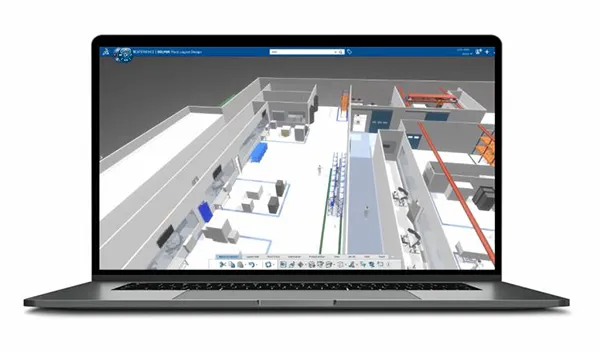
Virtual twin technology on the 3DEXPERIENCE® platform provides a virtual universe where companies can collaboratively simulate and understand their ideas, products and processes – all before making a change in the real world. They’re empowered to identify the most sustainable solution before committing any physical resources.
As a result, they’re able to:
Climate regulations are tightening. With the 3DEXPERIENCE platform, companies are flexible enough to quickly integrate new standards and reap the rewards of compliance, unlocking up to $1.3 trillion in economic value.
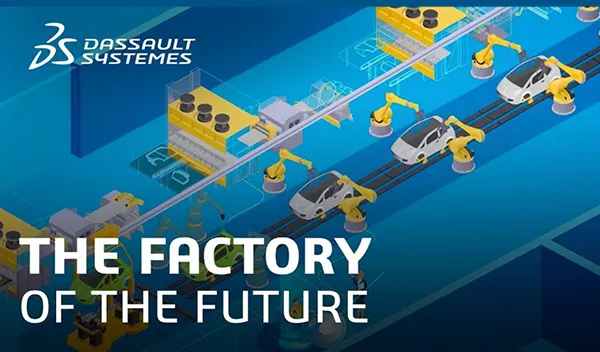
In the Industrial Renaissance, companies must welcome the factory of the future. By leveraging virtual twin technology, they can turn towards cleaner energy sources, minimize scope 1 and 2 emissions and realize energy-efficient manufacturing for a low-carbon factory floor.
Virtual twin technology provides insights for companies to bring down their carbon footprint from product packaging to manufacturing and distribution. With digitalization, Familia Torres chose more lightweight and minimal packaging, slashing emissions by 30% for each bottle of wine produced.
Companies need to optimize waste management and replace polluting processes with eco-friendly alternatives for a circular economy. The 3DEXPERIENCE platform helped AMF reuse more than 97% of water in its closed-circuit system.
With a platform to test, simulate and innovate ideas, companies can inspire creative collaboration that drives tomorrow’s sustainable experiences.
With the 3DEXPERIENCE platform, companies can design sustainable production processes that create truly sustainable products – and give consumers exactly what they want.
Discover how to set a clear plan of action and achieve steel green manufacturing goals for your operations
Learn how you can revolutionize low-carbon technologies with an innovative platform.
Achieve low-carbon production and reduce pollution and energy consumption by implementing sustainable solutions throughout your operations and your supply chain.
Discover the digital edge in research, development and manufacture of alternative materials for a circular, sustainable business.
Discover our commitment for producing better, more sustainable product with digital twin technology and to achieve the United Nations' Sustainable Development Goals.