
NAAREA
Managing the micro modular reactor's lifecycle from the ground up within a centralized ecosystem.
Customer Story
Discover how the 3DEXPERIENCE platform empowers energy companies to transform operations and accelerate sustainable power generation.
As the need to tackle climate change gains global recognition, shifting from fossil-based energy systems to sustainable and low-carbon alternatives has become, now more than ever, crucial. Clean energy technologies that will enable this energy transition do exist. What they need now is to be scaled up, in order to reach net-zero targets.
Net zero commitments are rising fast, and clean energy technologies are scaling into one of the defining industrial markets of the decade. According to the International Energy Agency (IEA), the global market for key clean energy technologies could grow from nearly USD 1.2 trillion in 2025 to almost USD 3 trillion by 2035. That trajectory shows real momentum, but reaching net zero targets means moving faster still.
Sustained investment fuels the breakthrough technologies that make the energy transition real, tackling the hardest sectors and cutting emissions. Yet as electrification intensifies, expanding and upgrading the grid becomes just as critical to fully integrate these newer sustainable energy sources.
Compared to more traditional energy production, low-carbon energy generates substantially lower greenhouse gas emissions over their entire lifecycle. It includes renewable energies, like wind and solar, “derived from natural sources that are replenished at a higher rate than they are consumed" (2), and nuclear as well. The latter has indeed a minimal carbon footprint over its entire lifecycle (nuclear produces about the same amount of carbon emissions as wind (3).
However, developing the technologies that will enable a clean energy future is no easy feat. Advanced digital tools can help. Energy companies (startups and traditional players) already rely on the 3DEXPERIENCE platform’s collaboration and simulation capabilities to tackle their challenges, transform the way they operate and enable more sustainable and efficient electricity generation. Navigating the complexities of product and infrastructure development is key to ensuring a smoother transition to a low-carbon future.
Let us dive deep into each of these clean energy technologies.
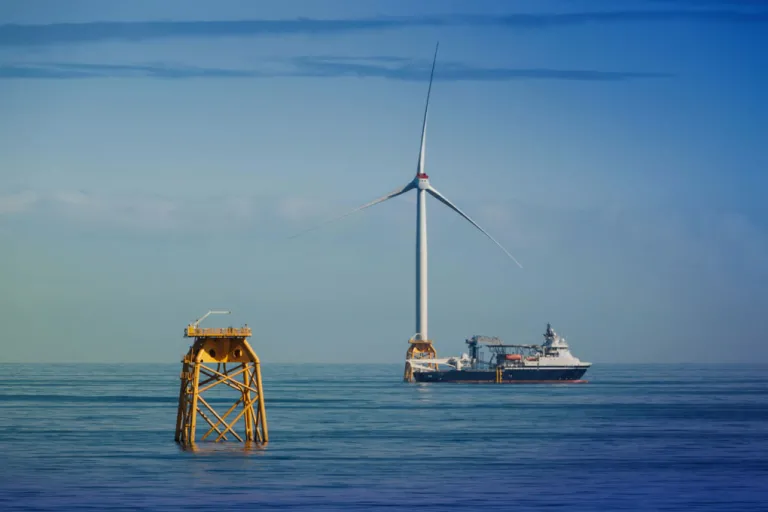
Sustainable wind turbines play a crucial role in reducing carbon emissions and driving the global transition to renewable energy. Developed by leveraging the 3DEXPERIENCE platform, energy companies can optimize the entire lifecycle of wind turbines, ensuring their efficiency, durability, and minimizing environmental impact. This approach ensures that materials used are sustainable and that energy production is maximized while minimizing waste. Sustainable wind turbines are not just a source of clean energy; they represent a commitment to a more sustainable world.
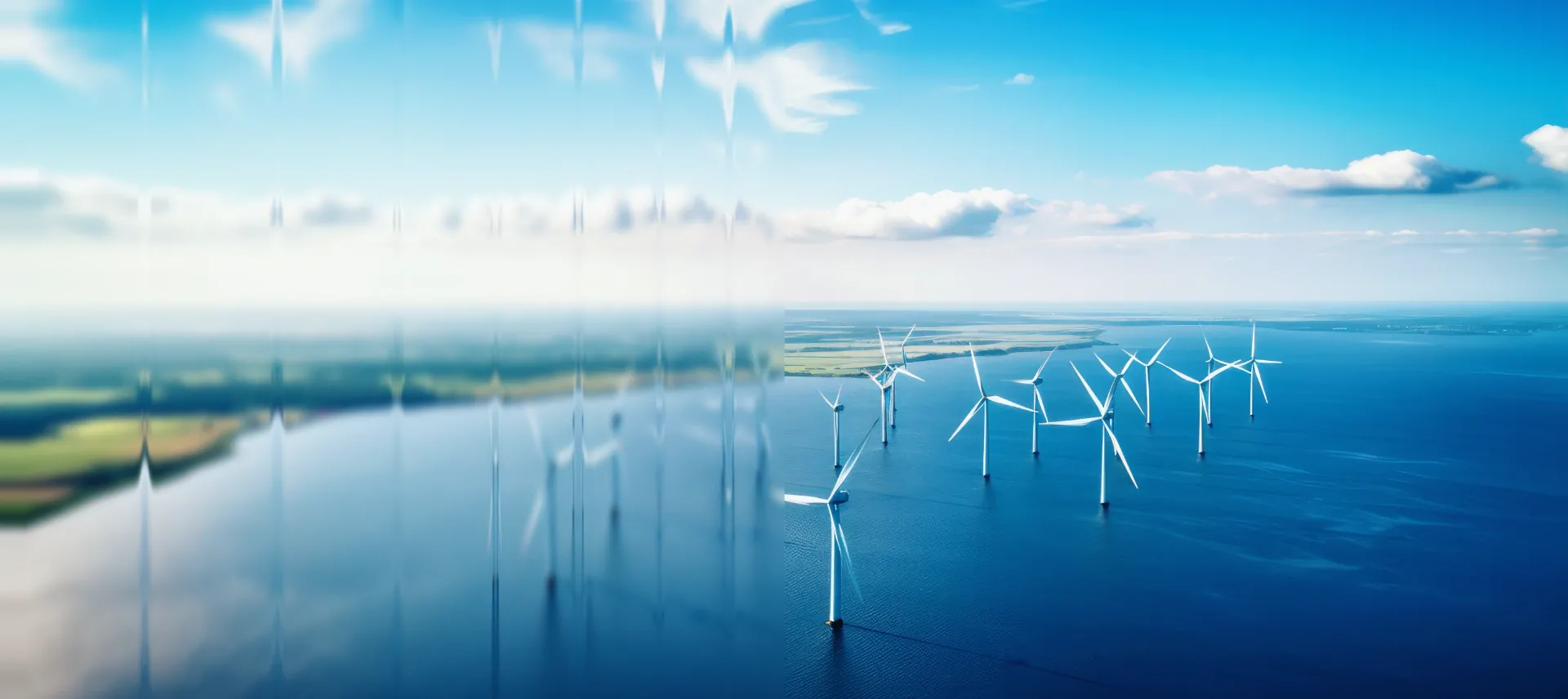
Offshore wind farms, with stronger and more consistent wind conditions, offer significant potential for renewable energy production. However, these infrastructures come with their own set of challenges such as harsher environmental conditions and higher construction and maintenance costs. To overcome these challenges, the virtual twin enables energy companies to optimize the design, reduce maintenance costs, and extend the operational lifespan of wind turbines, thereby ensuring that wind farms are both economically viable and environmentally sustainable.
Green hydrogen, produced via water electrolysis powered by renewable energy, plays a crucial role in the global push for clean energy. As a carbon-free fuel, it is essential for decarbonizing industries like heavy manufacturing, transportation and for building heating and power. The transition to hydrogen technology is driven by decreasing costs, strong government support, and increasing demand for sustainable products. However, challenges remain, including the complexity of hydrogen projects, the need for new infrastructure, and managing the supply chain efficiently. With the right strategies and technologies, green hydrogen has the potential to significantly contribute to global energy transition efforts and achieve net-zero emissions by 2050.
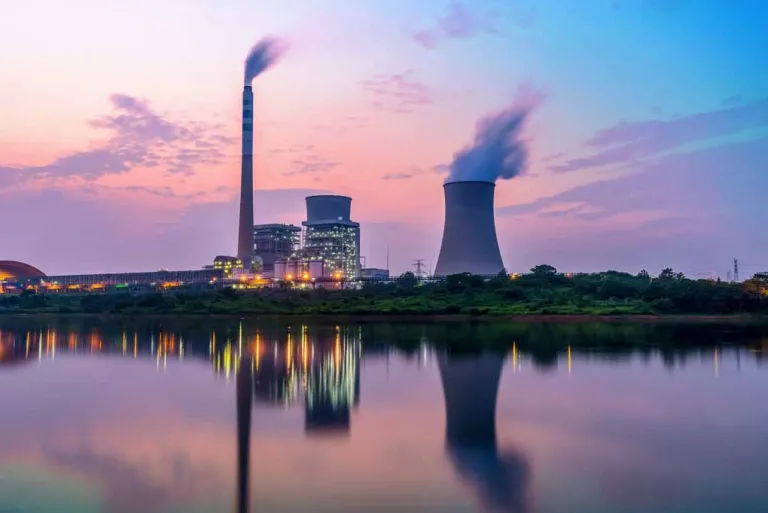
According to a recent Nuclear Energy Agency report, nuclear capacity will need to triple by 2050 to meet net zero targets. But nuclear power plants are complex to build and challenging to maintain, due to complexities surrounding their safety-critical nature, regulatory compliance, workforce and skill shortages, and costs. The 3DEXPERIENCE platform helps companies that engineer and construct nuclear facilities collaborate, mitigate risks and deliver safe and reliable nuclear power plants.
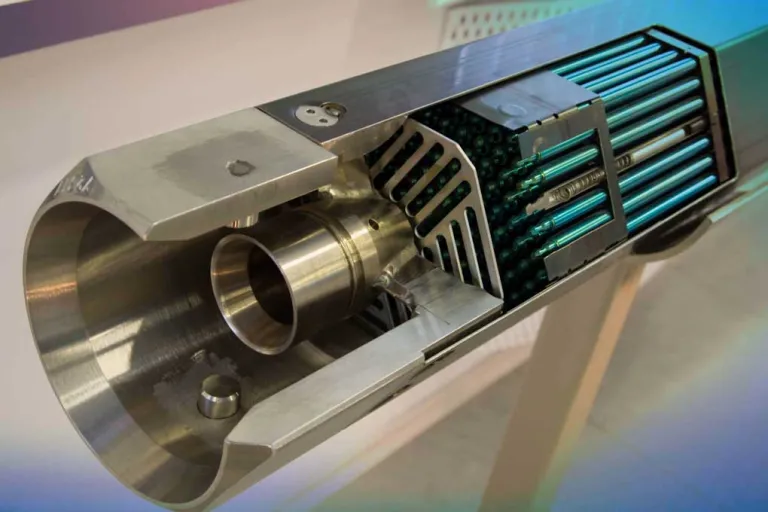
As countries seek to decarbonize their energy systems, Small Modular Reactors (SMRs) present a viable option to meet growing energy demands sustainably and efficiently. Indeed, SMRs offer flexibility, reduced construction times, lower costs and thus overcome the common challenges of delays and budget overruns associated with large nuclear plants. And the 3DEXPERIENCE platform can play a crucial role in accelerating the deployment of SMRs by enhancing design, simulation, and collaboration processes. This helps ensure safety, reduce waste, and streamline the licensing process.
Sustainable energy companies can cut their own environmental footprint through smart, data-driven design. When decisions are validated before a single part is produced, waste drops and performance holds steady.
A leading wind turbine blade supplier proved this in practice. Using CATIA on the 3DEXPERIENCE platform, the company simulated flat patterns and modeled cutouts with precision instead of relying on manual cutting.
The results:
These gains reinforce circularity across the full production process. Less scrap means fewer discarded materials, lower costs and a smaller environmental impact per blade produced at scale.
This use case is independently audited, calculated with a science-based certified methodology.
Legacy systems weren't built for today's efficiency and emissions targets. Modernizing energy operations means doing more with cleaner sources while making aging infrastructure fit for what comes next.
Dassault Systèmes bridges that gap with digital transformation on the 3DEXPERIENCE platform. Two pillars drive the shift:
Virtual twins, simulation and connected collaboration give you lifecycle visibility to test decisions before you commit. You can scale low-carbon innovation, validate performance and improve efficiency across your entire energy system with confidence.
Better operations and stronger sustainability outcomes work together, not against each other.
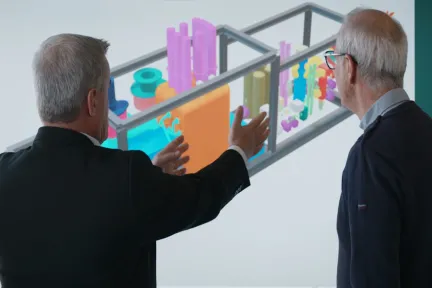
Managing the micro modular reactor's lifecycle from the ground up within a centralized ecosystem.
Customer Story
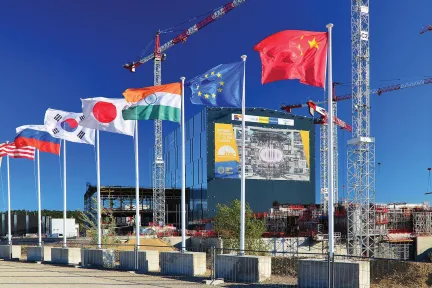
ITER adopted the 3DEXPERIENCE platform to manage the plant's entire lifecycle and gain a single source of truth for every stage of the project.
Customer Story
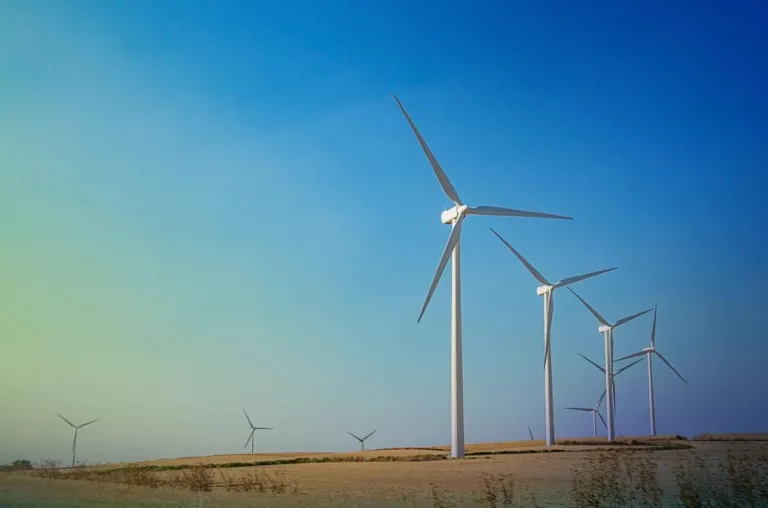
Discover how Envision uses the 3DEXPERIENCE platform to manage all its wind turbines development processes in one centralized location.
Customer Story
Source:
1 BloombergNEF in Energy Transition Investment Trends 2024
2 United Nations Website
3 International Atomic Energy Agency, International Day of Clean Energy: Why Nuclear Power?, January 2024
4 NEA, Meeting Climate Change Targets: The Role of Nuclear Energy
Backed by innovative solutions, extensive experience and concrete strategies to decarbonize global energy systems, we aim to energize your transition initiatives and catalyze sustainable change.
One platform to unlock the best of both worlds for complete value network clarity.
Dassault Systèmes brings people together to show that innovative solutions exist for sustainable energy and that we are all actors of shaping the Energy of the Future.
Decarbonization aims at reducing emissions throughout the product and service’s life cycle and across the full value chain.