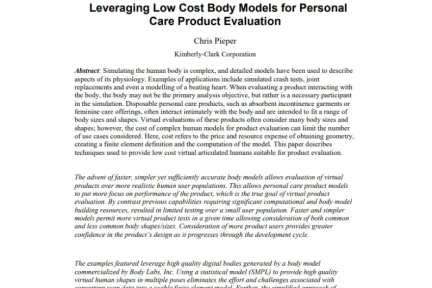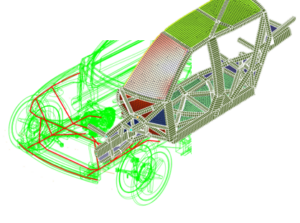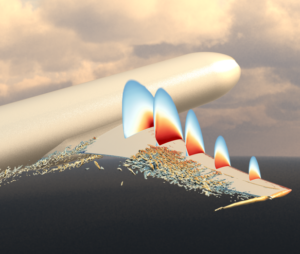
Simulating the human body is complex, and detailed models have been used to describe aspects of its physiology. Examples of applications include simulated crash tests, joint replacements and even a modelling of a beating heart. When evaluating a product interacting with the body, the body may not be the primary analysis objective, but rather is a necessary participant in the simulation. Disposable personal care products, such as absorbent incontinence garments or feminine care offerings, often interact intimately with the body and are intended to fit a range of body sizes and shapes. Virtual evaluations of these products often consider many body sizes and shapes; however, the cost of complex human models for product evaluation can limit the number of use cases considered. Here, cost refers to the price and resource expense of obtaining geometry, creating a finite element definition and the computation of the model. This paper describes techniques used to provide low cost virtual articulated humans suitable for product evaluation.
Customer Papers