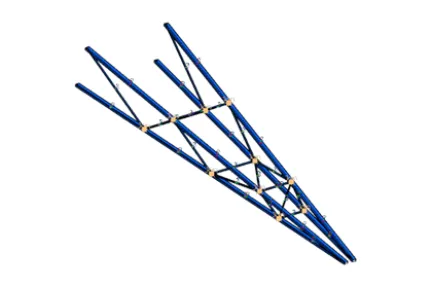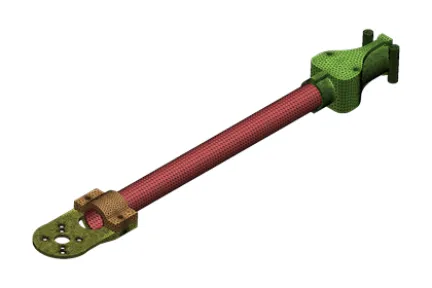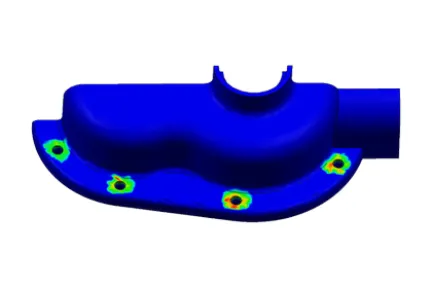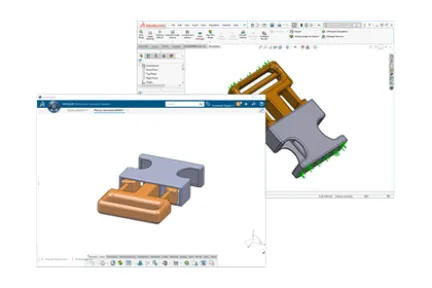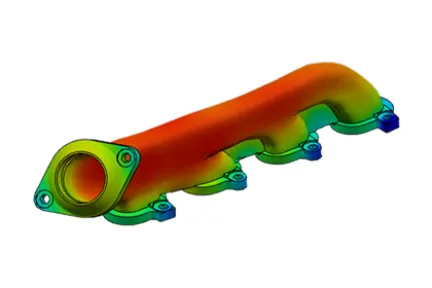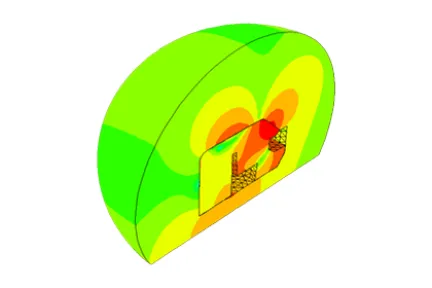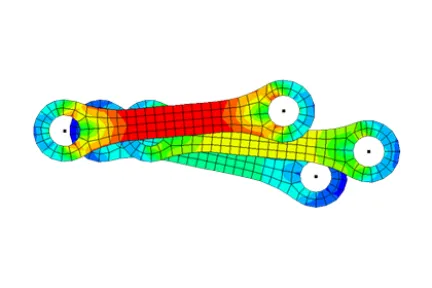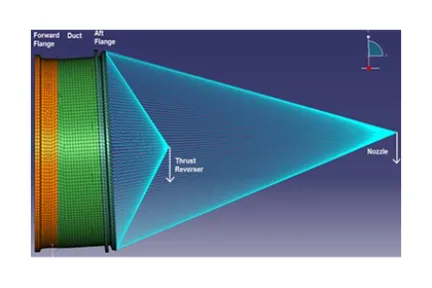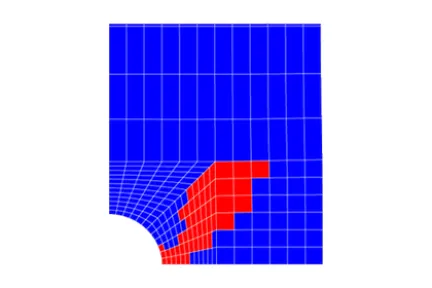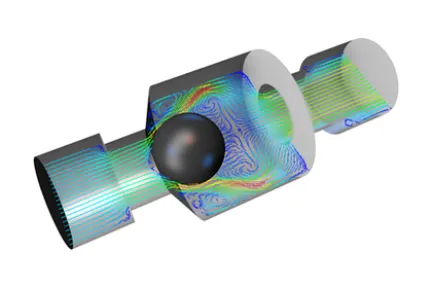
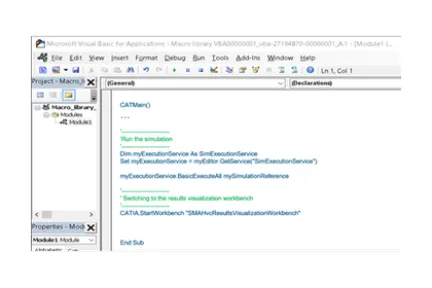
Automation in the 3DEXPERIENCE platform is a powerful solution available for various domains and provides a complete set of dedicated APIs which allows users to create, model and execute the multiphysics simulations.
Course Catalog
Whether you know exactly what you're looking for or want to explore what's available, the SIMULIA training course catalog is your complete reference.
Use the filters below to quickly find courses relevant to your products, topics, or learning goals.
Automation in the 3DEXPERIENCE platform is a powerful solution available for various domains and provides a complete set of dedicated APIs which allows users to create, model and execute the multiphysics simulations.
Course Catalog
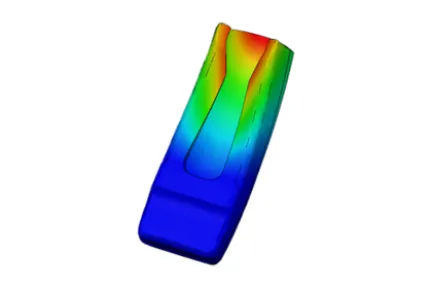
This course is an introduction to the Static Study app on the 3DEXPERIENCE platform. This app enables designers to perform linear static simulations including strength and deflection to validate product performance and guide design modifications.
Course Catalog
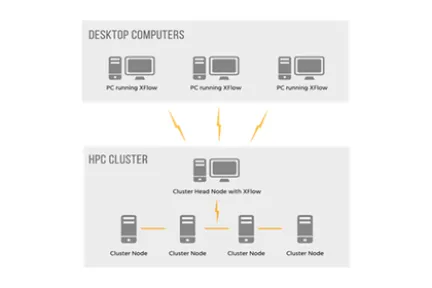
This course is an introduction to finite element modeling with the Structural Model Creation app on the 3DEXPERIENCE platform. It teaches you how to prepare Finite Element Models for simulation. This includes meshing, material assignment and section properties, and defining connections or rigid bodies.
Course Catalog
This course covers meshing Finite Element Models with the Structural Model Creation app on the 3DEXPERIENCE platform. It provides a comprehensive discussion on meshing, including surface meshing, partitioning, rule based meshing, transformation meshing, importing meshes and checking meshes.
Course Catalog
This course is an introduction to structural and thermal simulation with the Structural Scenario Creation app on the 3DEXPERIENCE platform. It teaches you how to solve both linear and nonlinear static problems and basic linear dynamics problems.
Course Catalog
This course is an introduction to structural simulation on the 3DEXPERIENCE platform using the Structural Scenario Creation or Mechanical Scenario Creation app.
Course Catalog
The success of many structural designs requires a thorough understanding of both the thermal and mechanical response of the design. Temperature-dependent material properties, thermally-induced deformation, and temperature variations all may be important design considerations.
Course Catalog
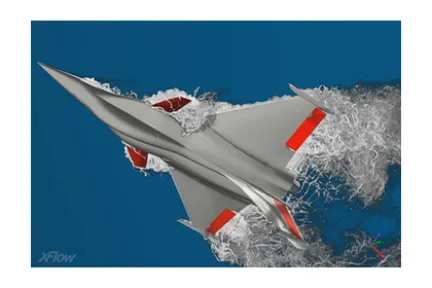
This course introduces cell-level multiscale, multiphysics analysis of the electrochemical performance of Li-ion batteries based on porous electrode theory.
Course Catalog
Abaqus includes a number of capabilities in the area of structural-acoustic analysis. In addition to pure acoustic analysis features, Abaqus includes the capability to couple nonlinear structural analyses with linear acoustic analyses using several different methods.
Course Catalog
The size and complexity of designs that are analyzed and tested with Abaqus continues to grow. Substructures and submodeling are two effective techniques that allow the analyst to study problems that are too large to simulate with a conventional modeling approach
Course Catalog
The SIMULIA Opera Quench solvers are designed specifically for quench modelling of superconducting coils as the coils become resistive. This course will introduce quench and superconductivity technology. The Opera Quench Thermal and Quench Multiphysics solvers, the material data and analysis options will be covered.
Course Catalog
The Test Manager role enables the apps on the 3DEXPERIENCE platform that teams use to build a validation plan, record the steps an operator needs to know to carry out a virtual or physical test and record whether requirements are met.
Course Catalog
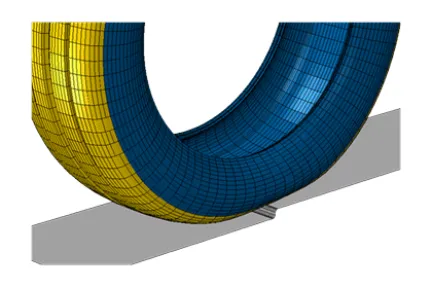
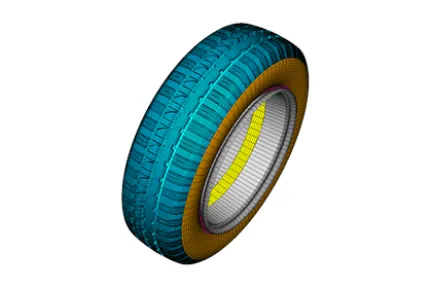
Modern tires are among the most complex structures in production and their complexities span a broad range of the capabilities available in Abaqus.
Course Catalog
Modern tires are among the most complex structures in production and their complexities span a broad range of the capabilities available in Abaqus. Since tire modeling is a specialized field, this course covers the many important yet basic capabilities in Abaqus that are specifically relevant to tire modeling.
Course Catalog
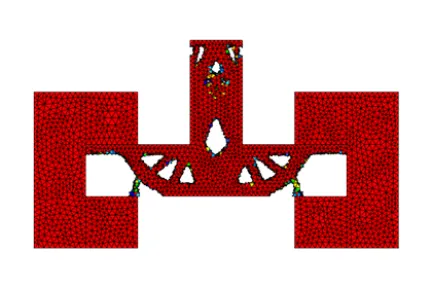
In this course you will learn how to perform structural optimization (topology and shape optimization) based on nonlinear simulation results.
Course Catalog
This course introduces Isight users to methods dealing with statistical behavior as a result of variability in the system. It motivates why uncertainty quantification (UQ) analysis is important, presents concepts and methods in Isight to do UQ analysis, and shows how to use Isight’s open architecture to integrate user developed algorithms into components as Plug ins.
Course Catalog

User subroutines in Abaqus allow the program to be customized for particular applications. This course explains when to consider the use of user subroutines and how to approach their development
Course Catalog
This course introduces the advanced features and scripting capabilities of Xflow.
Course Catalog
This course covers all the XFlow capabilities and how to set up and postprocess all kind of simulations in Xflow
Course Catalog
Connect with SIMULIA users, experts, and learners worldwide. Explore discussions, technical insights, learning resources, and shared experiences across industries and disciplines.
Organize private or on-site instructor-led training adapted to your products, workflows, and business objectives. Contact SIMULIA training teams to discuss your needs and request a customized learning program.
Find information on software & hardware certification, software downloads, user documentation, support contact and services offering