




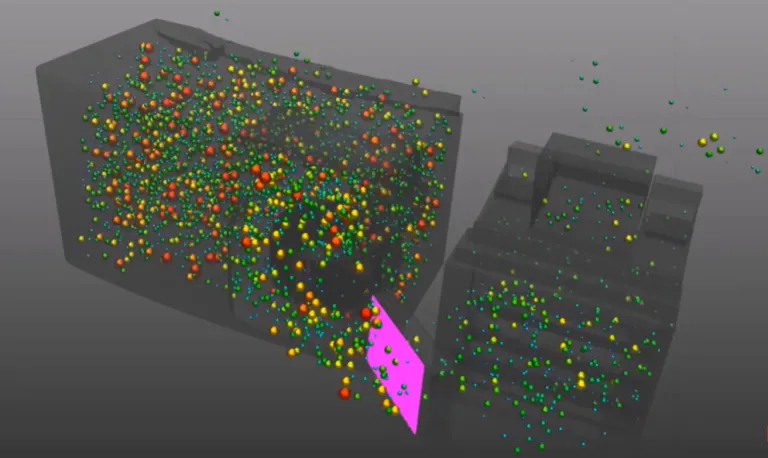
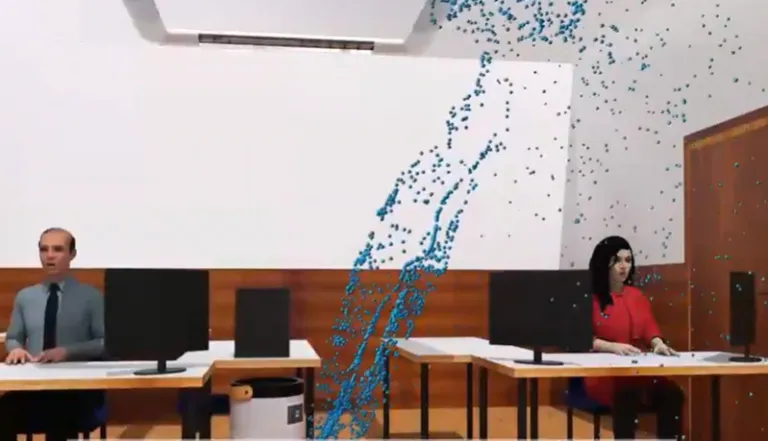
Simulate particulate instantiation, transport, deposition, and filter clogging to predict how air purifiers reduce localized contamination and stale air. Optimize filter placement and flow rates to improve indoor air quality, extend maintenance intervals, and minimize contamination clearing time.
Equipment Engineering
Minimize downtime costs with durable products and robust manufacturing equipment designed and optimized by SIMULIA industry solutions.
Equipment Operating Performance
Advancing HVAC technology is central to cutting energy waste, improving system reliability, and maintaining safe, comfortable indoor environments. Modern HVAC systems are expected to meet multiple, often competing, demands. They must safeguard air quality in the face of challenges such as pandemics and aerosol contamination, while delivering high levels of air cleanliness. At the same time, they are required to operate efficiently without compromising thermal comfort, and to do so quietly, minimizing noise that can affect occupant well-being and productivity.
SIMULIA enables smarter HVAC design through advanced simulation solutions. Powered by the 3DEXPERIENCE platform and its BIM capabilities, HVAC systems can be engineered and optimized for maximum aerosol filtration, uniform and reliable thermal comfort, and minimal operational noise.
Key Benefits of SIMULIA Equipment Engineering Solutions
Integrated Multidiscipline Design
Unify energy, structural, acoustic, and thermal simulations in a single development process.
Increased Reliability
Predict performance over time to reduce downtime, costs, and maintenance frequency.
Lower Noise Emissions
Use high-fidelity simulation to minimize noise while optimizing airflow performance.
Optimized Component Performance
Virtually test and refine designs to reveal insights beyond physical testing.
Equipment Engineering Workflows
HVAC Components
Electrical Equipment
Machinery and Fabrication
Powertrain and Rotating Machinery
HVAC Components Workflows
Reducing Noise
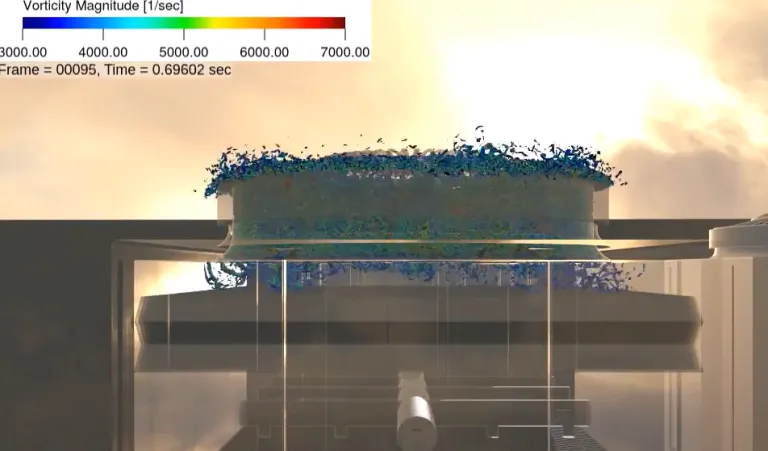
High-fidelity computational fluid dynamics simulations enable direct, accurate noise prediction, while advanced aeroacoustic post-processing identifies dominant noise sources at both component and system levels. This simulation-driven approach helps meet acoustic regulations early in the design phase.
Blower Design
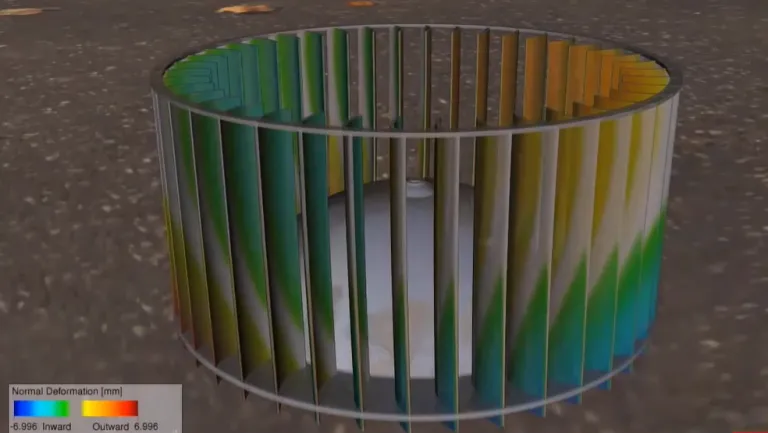
Parametric blower design enables rapid simulation across a wide design space, while intuitive tools reveal performance trends to achieve objectives such as reduced acoustic power and increased mass flow.
Fan Design for Indoors and Outdoors
Design quieter fan equipment for outdoors and indoors using simulation-based solutions for acoustics. Drive the design of fans through simulation and meet regulatory standards early in the design phase. Understand dominant noise generation mechanisms from the HVAC with state-of-the-art visuals that are easy to communicate. Noise levels are obtained directly from the simulation.
Heat Exchanger Effect
Simulate the real acoustic impact of component design and configuration changes, such as fan or heat exchanger geometry and placement, including turbulence-induced noise interactions. Multiple scenarios can be evaluated virtually to guide optimal design choices.
Air Filter Performance
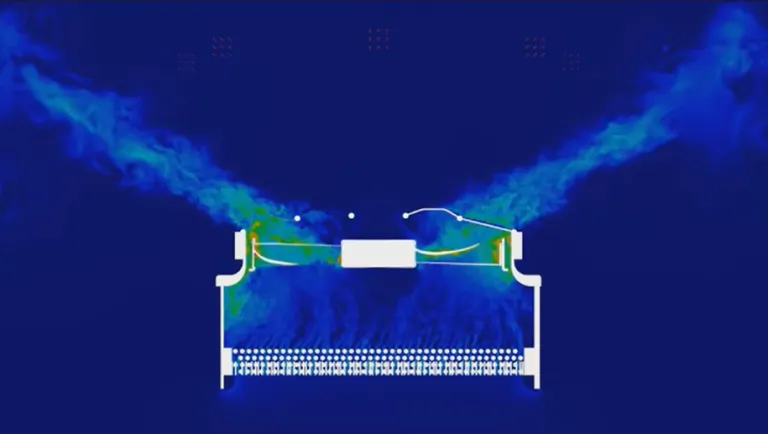
Simulation with computational fluid dynamics help analyze the impact of filter clogging on aerodynamic and thermal performance of the HVAC as a function of time. The transport of contaminants and impure air removal process in vehicle HVAC system can be evaluated digitally. Different filter designs, human occupancy or environmental conditions can be virtually tested to replicate real world scenarios to improve building air quality.
Air Filter Efficiency
Assess HVAC and filter effectiveness for indoor air quality, predicting filtration efficiency by particle size and percentage while evaluating impacts on thermal comfort, acoustics, energy efficiency, and MERV ratings over time.
Air Filter in Building Spaces
Optimize System
High-fidelity CFD simulations enable direct and accurate noise prediction, while advanced aeroacoustic post-processing identifies dominant noise sources at both fan and system levels. This simulation-driven approach helps meet acoustic regulations early in the design phase.
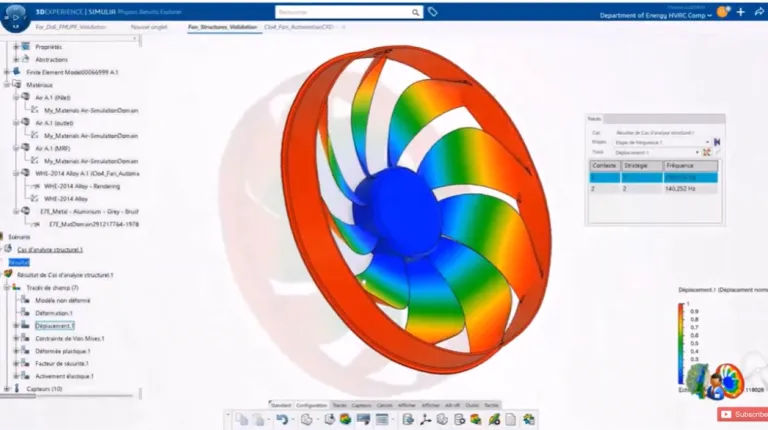
1D/3D Coupled Simulations
Couple CFD with system modeling to optimize HVAC components across varying operating and weather conditions, integrating experimental and 3D simulation data as 1D behavior laws via Functional Mockup (FMU) interfaces to balance accuracy, complexity, and development time.
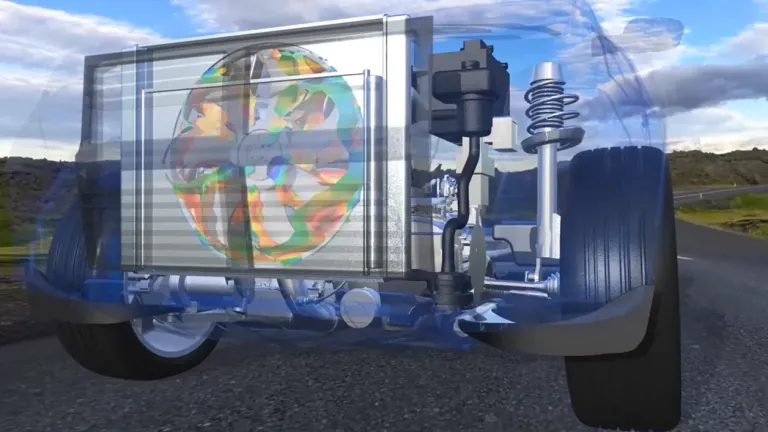
Heat Exchangers
Couple fluid flow and heat transfer in a single simulation. Improve the integration of heat exchanger in your system by ensuring maximum heat exchange. Include coolant computation, flow aerodynamics and convection, and thermal conduction and radiation in the simulation.
Electrical Equipment Workflows
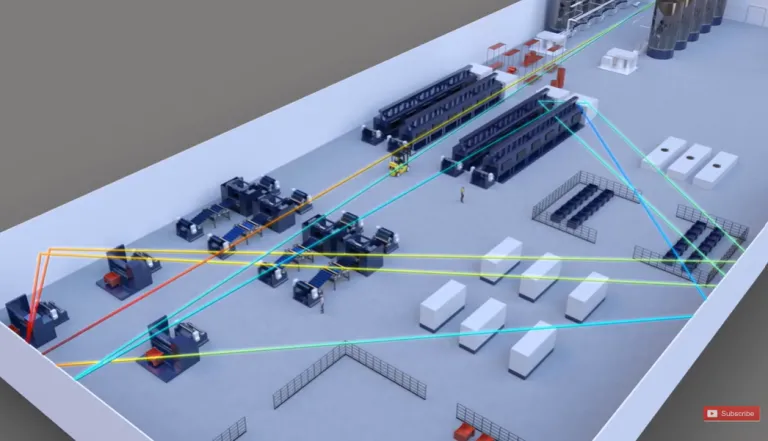
Antenna Placement
Antenna performance depends heavily on its operating environment. Assess material impacts on coverage and link quality, identify co-site interference, and optimize antenna arrays using the 3DEXPERIENCE dedicated app to evaluate positioning, directivity, and blind spots for reliable IIoT connectivity.
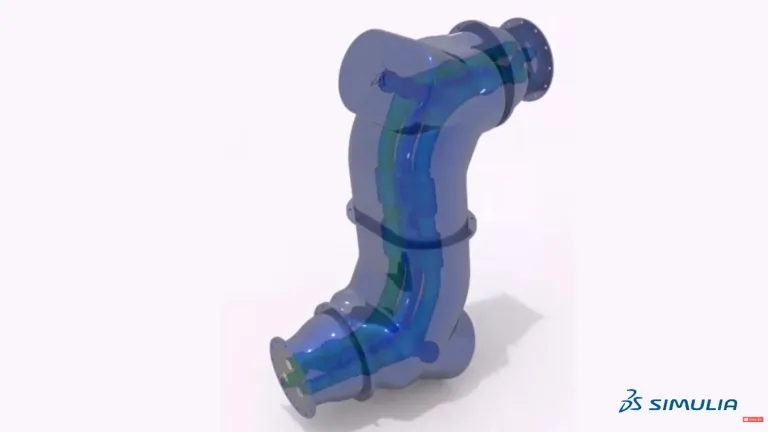
Thermal Performance
Predict thermal loads by coupling electromagnetic and thermal solvers. Safely investigate novel designs numerically eliminating unnecessary and destructive tests and also reducing the number of prototypes. Emulate costly mandatory tests and determine pass-fail compliance to avoid late stage failures. Integrate simulation in early design stages to reduce product development costs.
Machinery and Fabrication Workflows
Components & Machinery
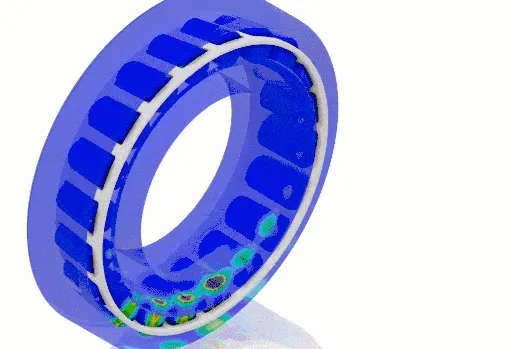
Bearings and gears are fundamental components. Failure of any will result in catastrophic failure of entire systems. Our efficient and accurate simulation-driven design process help ensure proper performance and durability to minimize risk of failure. How such components interface will also play a key role in their performance and in their life expectancy. Our solutions allow engineers to digitally assemble components together quickly, and determine the best design given durability and performance requirements.
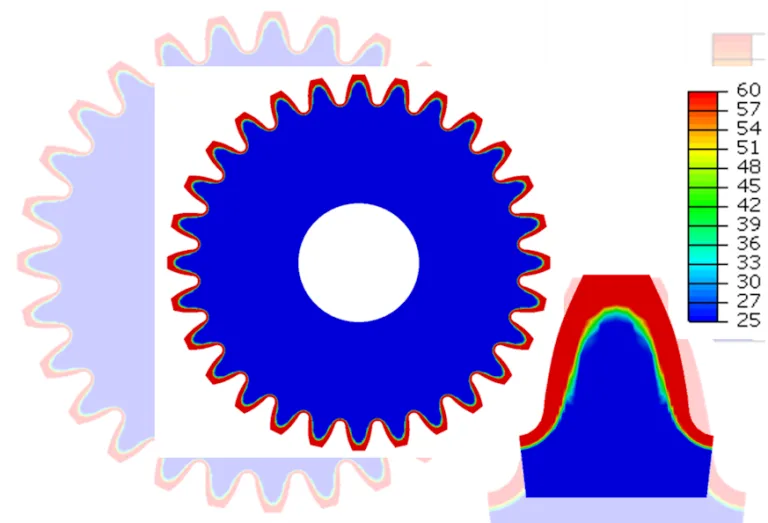
Induction Hardening
Complex manufacturing processes such as induction hardening can introduce defects in the manufactured product, such as distortions or cracks. A digital induction hardening process simulated with our best-in class technologies can capture these defects, to improve reliability of products.
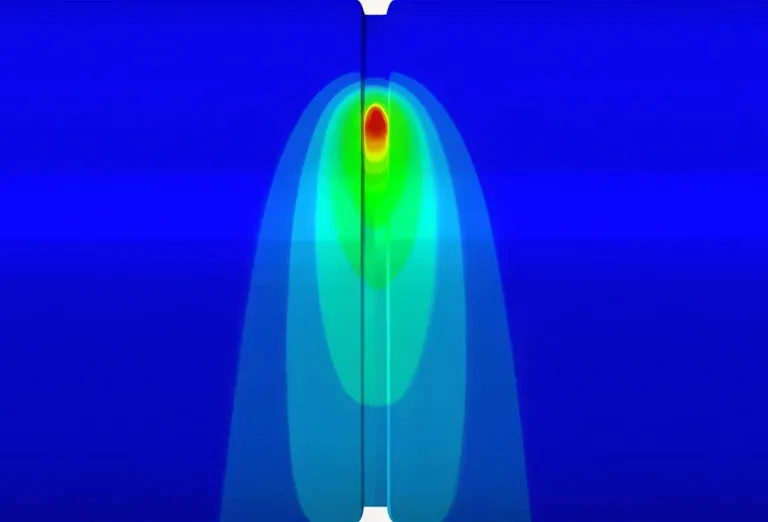
Weld Integrity
Welds are critical for the assembly of components together, but welds are singularities in the assembly, thus potential points of failure. Our structural simulation solutions ensure that welding processes do not introduce undesired residual stresses, thereby helping to prevent failure in operation.
Moving Machinery Structural Integrity
Take advantage of proven simulation technologies, such as best-in-class contact capabilities, and advanced nonlinear material models to capture the physics of the complex operation scenarios of moving machines realistically.
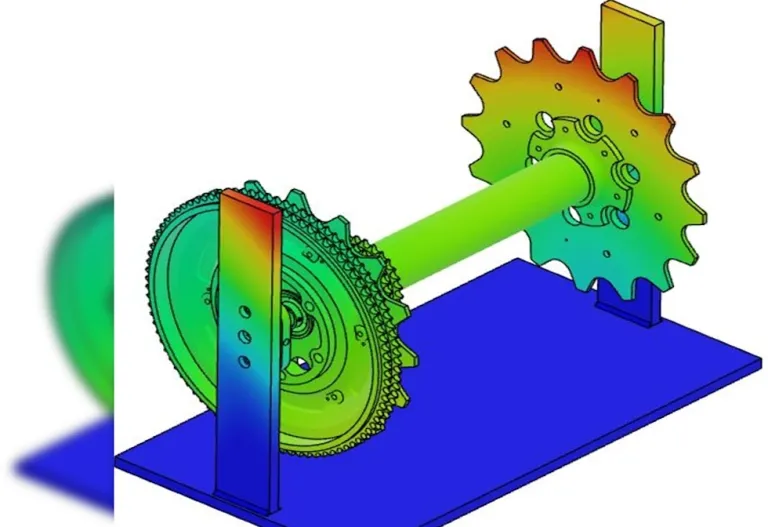
Powertrains and Rotating Machinery Workflows
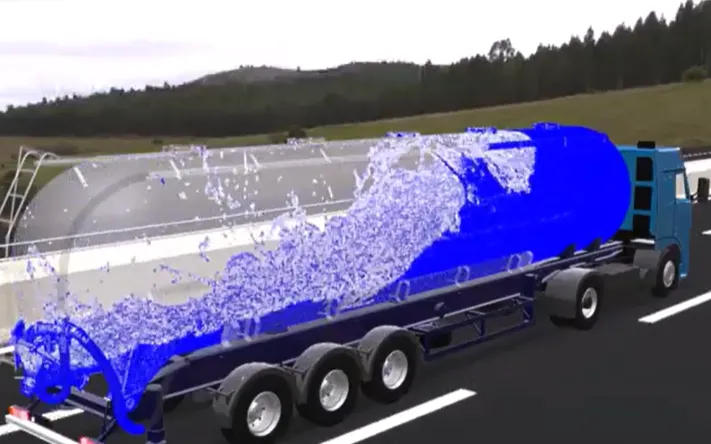
Tank Sloshing
For less challenging workflows like Tank Sloshing, the ability to easily sweep multiple operating conditions in a simple and agile way thanks to a best-in-class user experience and ultra-fast performance on very modest computing resources.
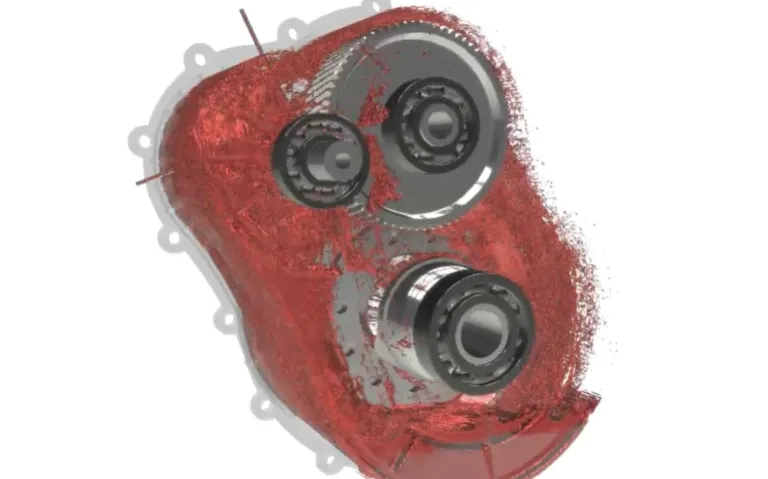
Gearbox Lubrication
Our GPU native solution empowers designers and analysts to perform complex Powertrain simulations, that involves multiphase flows and moving parts, such as Gearboxes, in a very fast and affordable way, without the significant hardware and long turnaround time that traditional CPU solutions required.
Start Your Journey
The world of Industrial Equipment Engineering is changing. Discover how to stay a step ahead with SIMULIA.
MODSIM for Designers in the IE Industry | Dassault Systèmes
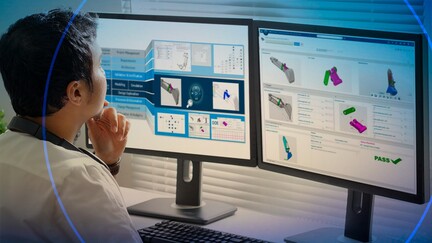
Watch our replay to see how MODSIM transforms industrial equipment design by reducing costs and improving collaboration through integrated modeling and simulation.
E-seminar
On demand
Accelerate your Projects and Cut Costs
Accurate results using unified modeling and simulation for industrial equipment
EBooks

Industry Processes for Equipment Engineering
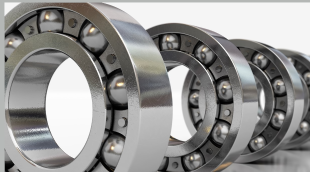
Equipment Structural Engineering
Accelerate equipment design, reduce physical testing and avoid product failure and warranty costs with proven predictive simulation solutions
Process
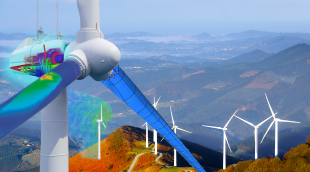
Wind Turbine Engineering
Accelerate innovation and reduce costs and time to market with fast prediction of key performance attributes using multidisciplinary simulation solutions.
Process
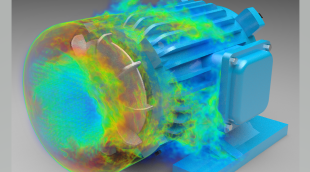
Power and Fluidic Equipment Engineering
Improve product life and evaluate thermal performance with proven, predictive, multi-physics simulation solutions.
Process
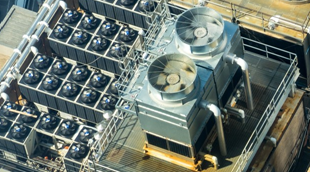
Built Environment Performance Analysis
Leverage best-in-class HVAC and antenna placement simulation solutions to design smart and energy-efficient buildings.
Process
FAQs about Equipment Engineering
Also Discover
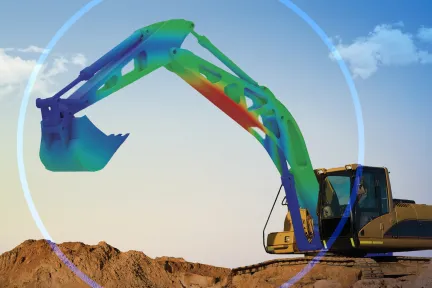
Heavy Mobile Machinery Design & Simulation
Optimize performance, reduce costs, enhance safety, and ensure reliability using SIMULIA Heavy Mobile Machinery Design & Simulation solutions.
Solutions by Industry
Tire Design & Simulation
Optimize tire performance with SIMULIA. From noise reduction to durability, leverage advanced simulations for smarter, faster, and cost-effective design.
Solutions by Industry
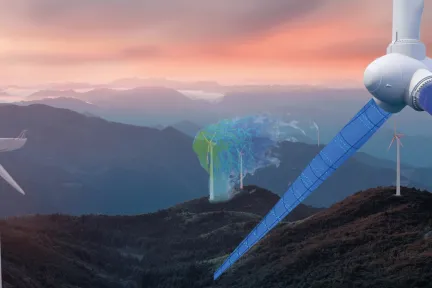
Wind Turbine Engineering
Simulate and optimize complete wind turbine systems, subsystems, and individual components with SIMULIA’s industry solutions.
Solutions by Industry
Learn What SIMULIA Can Do for You
Speak with a SIMULIA expert to learn how our solutions enable seamless collaboration and sustainable innovation at organizations of every size.
Get Started
Courses and classes are available for students, academia, professionals and companies. Find the right SIMULIA training for you.
Get Help
Find information on software & hardware certification, software downloads, user documentation, support contact and services offering