


Evaluating Equipment Fitness for Service

Critical assets inevitably degrade over their service life. Be it refining oil, generating nuclear energy, or building batteries, the equipment and infrastructure suffer damage over time. When this damage is identified, organizations need to determine not only the extent of the flaw, but whether equipment can continue to operate safely and efficiently under existing conditions.

SIMULIA's Fitness-for-Service solutions combine established assessment methodologies with advanced simulation capabilities to evaluate the structural integrity of pressure vessels, piping systems, and other critical equipment. By enabling a realistic understanding of damage mechanisms and their impact on performance, engineers can assess remaining life, support compliance requirements, and make informed decisions to run as-is, rerate, repair, or replace assets with confidence.

Key Benefits of Fitness for Service Simulation

Cost Efficiency

Reduce assessment costs and shorten evaluation timelines.

Extended Asset Life

Minimize unnecessary conservatism in assessments to safely keep equipment in operation longer.

Informed Decisions

Enable data-driven decisions for the management of flawed or damaged equipment.

Regulatory Compliance

Maintain compliance efficiently while addressing complex damage mechanisms.

Simulation-Driven FFS Assessments

As industrial assets age, operators face increasing pressure to ensure safety, maximize equipment availability, and make informed decisions about continued service.

Fitness-for-Service (FFS) assessments help determine whether damaged or aging equipment can continue operating safely. This session explores the three API 579 assessment levels and demonstrates how Abaqus and the 3DEXPERIENCE platform evaluate damage mechanisms, including metal loss, crack-like flaws, shell distortions, and hydrogen embrittlement, to support informed decisions on running as-is, rerating, repairing, or replacing.

Fitness for Service Simulation Workflows

Metal Loss

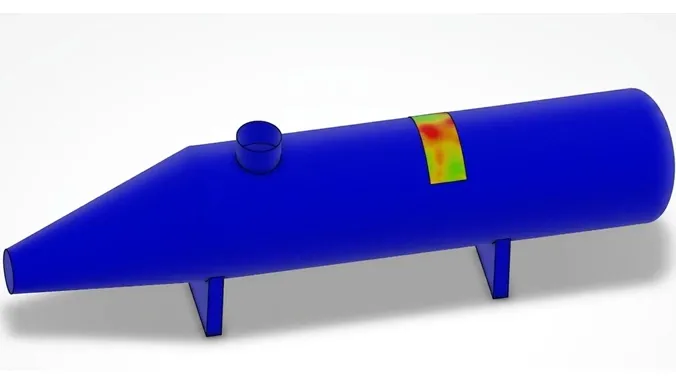
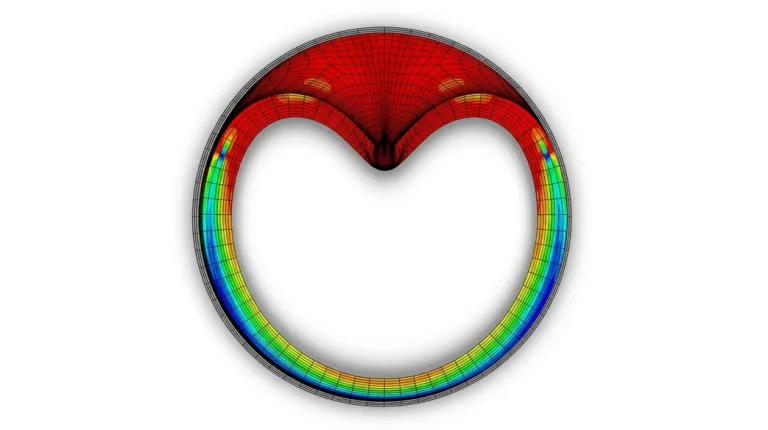
Simulation is used to evaluate the structural impact of wall thinning and corrosion damage, helping determine remaining strength and safe operating limits.

  • Remaining wall thickness and stress redistribution
  • Burst pressure and collapse resistance evaluation
  • Remaining life and reassessment interval estimation

Weld Misalignment and Shell Distortion

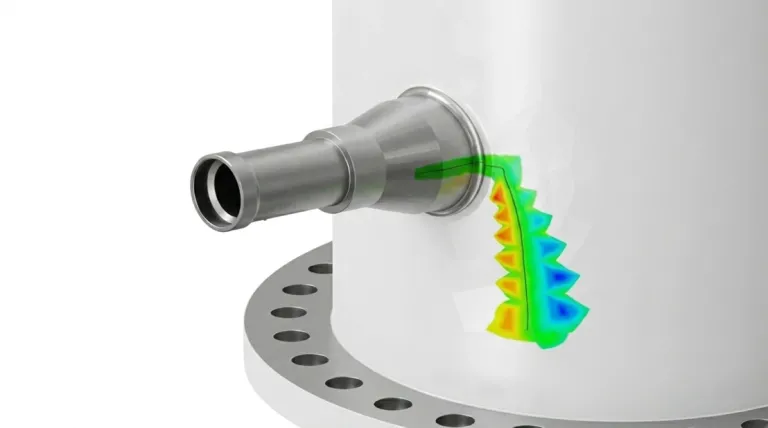
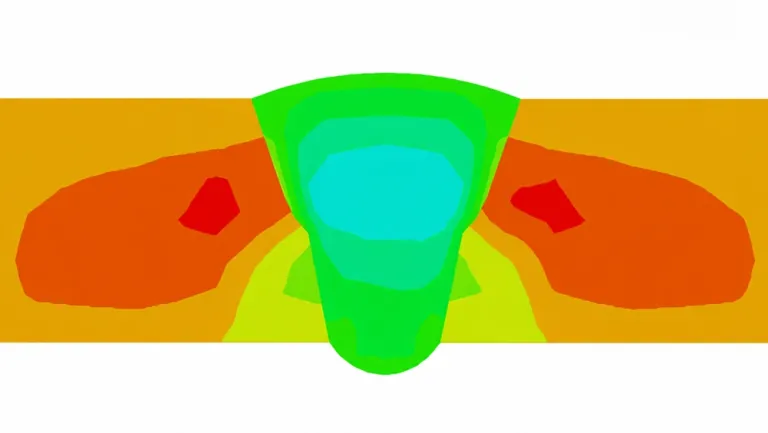
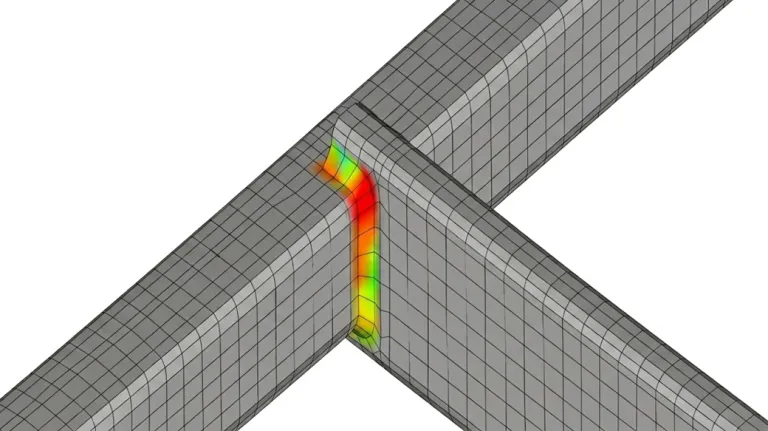
Simulation is used to analyze geometric imperfections and welding-induced distortions, helping assess their effect on structural integrity and code compliance.

  • Stress intensification due to misalignment and distortion
  • Residual stress and deformation assessment
  • Buckling susceptibility and fitness evaluation

Crack Flaws

Simulation is used to determine the acceptability of crack-like defects under service loads, helping predict crack growth and fracture risk.

  • Fracture mechanics and crack driving force evaluation
  • Crack propagation and remaining life prediction
  • Critical flaw size and failure assessment

Dent

Simulation is used to evaluate localized deformation damage and its interaction with operational loading, helping determine repair or continued service suitability.

  • Local strain and stress concentration analysis
  • Structural integrity under pressure and external loads
  • Dent interaction with corrosion or crack defects

Hydrogen Embrittlement

Simulation is used to assess material degradation caused by hydrogen exposure, helping evaluate susceptibility to cracking and brittle failure.

  • Hydrogen diffusion and trapping behavior
  • Embrittlement-induced loss of ductility and fracture toughness
  • Crack initiation risk and do failure assessment

Fatigue

Simulation is used to evaluate cyclic loading effects and accumulated damage, helping estimate remaining fatigue life and inspection requirements.

  • Cyclic stress evaluation and damage accumulation
  • Fatigue crack initiation and propagation analysis
  • Remaining useful life and inspection interval planning

SIMULIA Fitness for Service Simulation Resources

Explore the technological advancements, innovative methodologies, and evolving industry demands that are reshaping the world of Fitness for Service. Stay a step ahead with SIMULIA. Discover now.

FAQs about Fitness For Service Simulation

Also Discover

Learn What SIMULIA Can Do for You

Speak with a SIMULIA expert to learn how our solutions enable seamless collaboration and sustainable innovation at organizations of every size.

Get Started

Courses and classes are available for students, academia, professionals and companies. Find the right SIMULIA training for you. 

Get Help

Find information on software & hardware certification, software downloads, user documentation, support contact and services offering