


Engineering Predictive Subsurface Performance

Oil & gas operations are moving into deeper, harsher, and more complex environments, where uncertainty impacts safety, cost, and timelines. Conventional approaches and disconnected tools limit visibility into real-world behavior, making it difficult to anticipate failure, optimize designs, or make confident decisions.

SIMULIA enables teams to move beyond reactive decision-making with integrated, physics-based simulation. On a unified platform, engineers can model wells, reservoirs, and surface systems under real-world conditions, capture complex interactions, and leverage high-fidelity virtual twins to test scenarios, optimize performance, and predict failures early, reducing risk, improving reliability, and accelerating efficient, sustainable operations across the asset lifecycle.

Key Benefits of SIMULIA Oil & Gas Solutions

Accelerated Insights

Generate faster, high-fidelity results through simulation, reducing reliance on costly and time-intensive physical testing.

Unified Visibility

Create a single source of truth to analyze and optimize hydrocarbon production across wells, reservoirs, and surface facilities.

Regulatory Assurance

Demonstrate safe and verifiable CO₂ storage with validated computational models that support regulatory compliance.

Risk Reduction

Identify potential failure mechanisms early and evaluate operational scenarios virtually before implementing them in the field.

Accelerate CCUS Evaluation and Hydrocarbon Production Forecasting

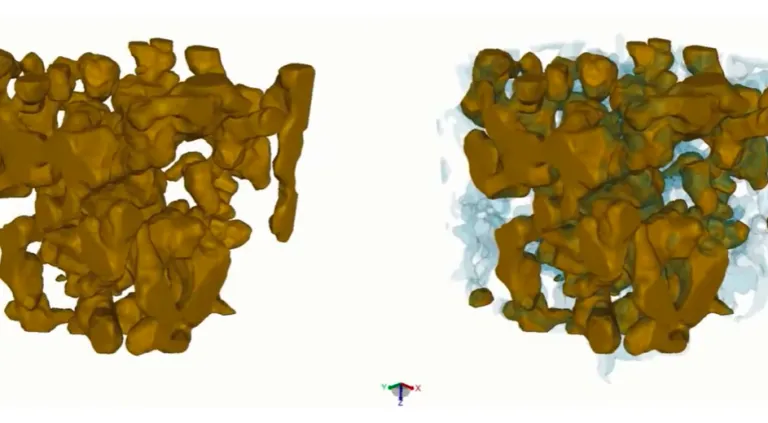
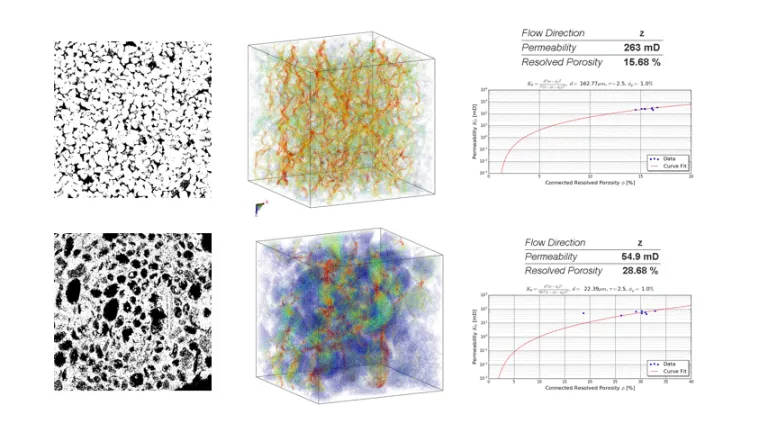
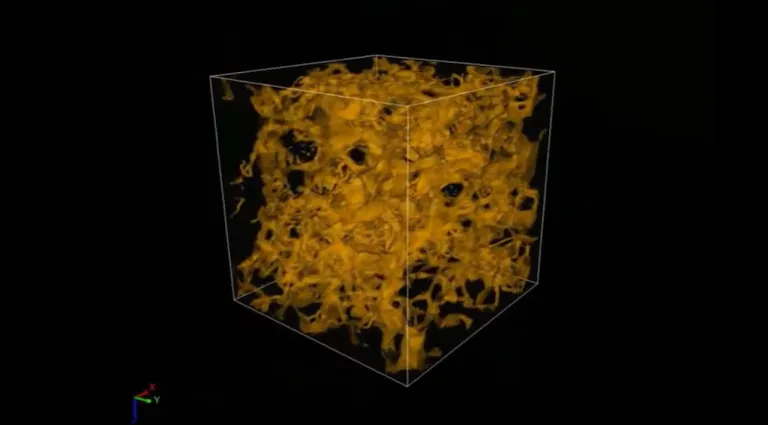
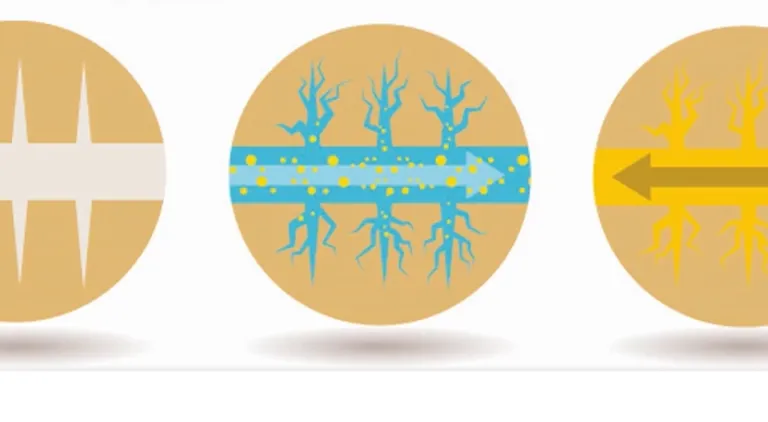
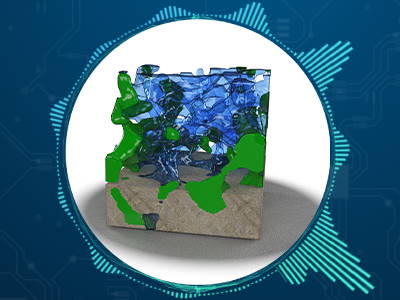
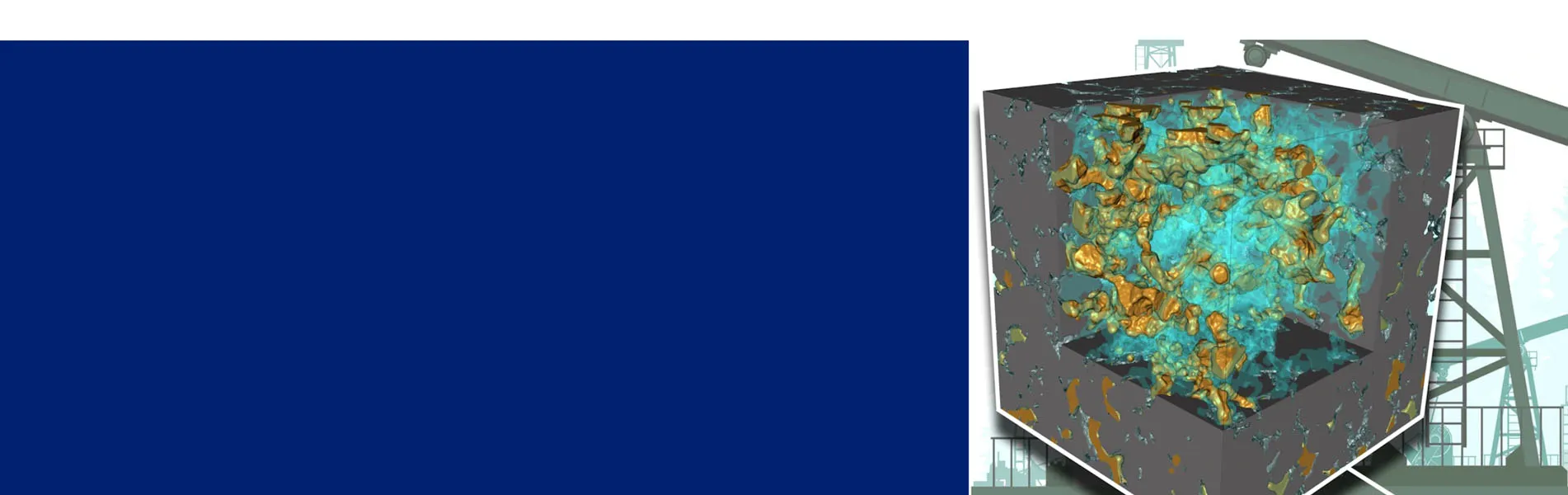
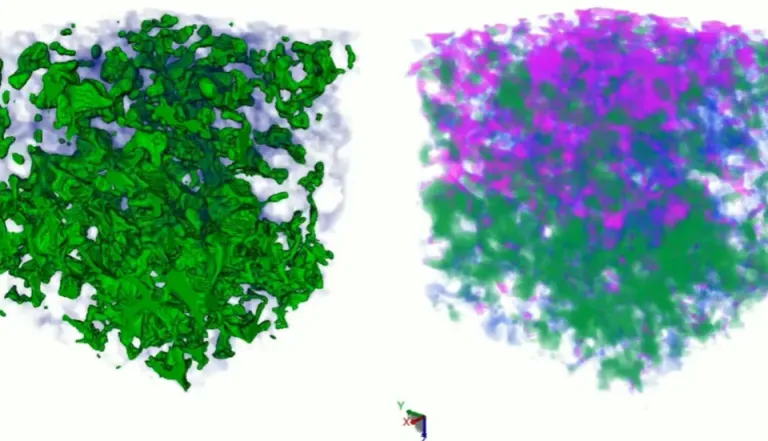
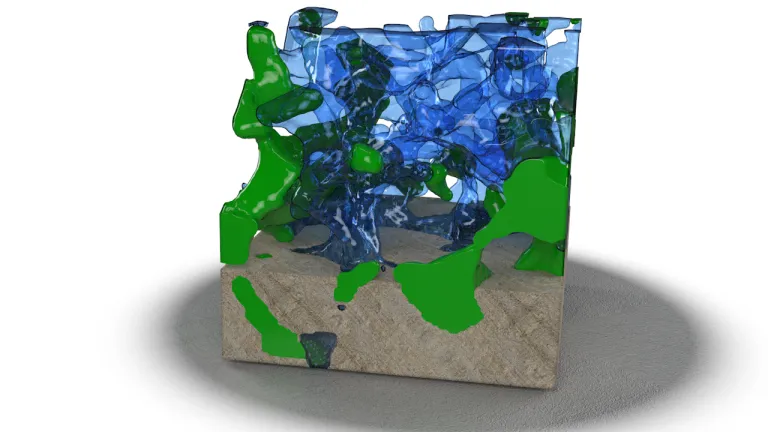
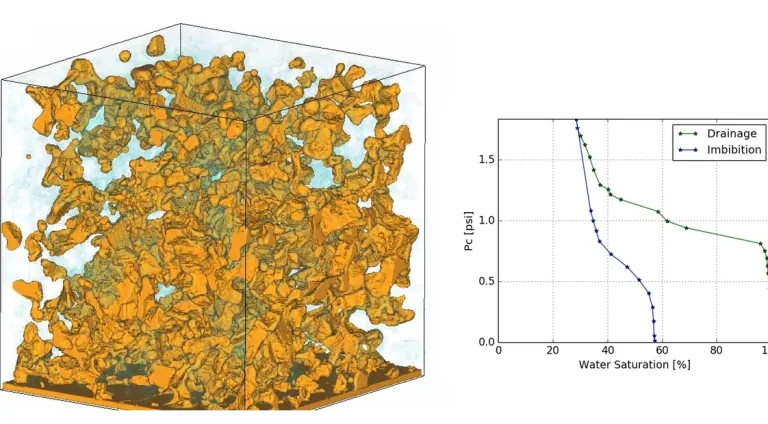
SIMULIA DigitalROCK – Virtual Porous Media Lab strengthens CCUS workflows by delivering fast, physics-based simulations for CO₂ injection, plume migration, and long-term storage integrity. Its automated setup, scalable HPC performance, and consistent data handling help teams quickly assess storage capacity, containment risks, and regulatory compliance with minimal manual effort. For hydrocarbon assets, the solution improves forecasting accuracy through streamlined reservoir workflows, automated relative permeability analysis, and efficient scenario evaluation. Integrated history matching and repeatable model workflows enable faster insights, helping teams optimize recovery, reduce uncertainty, and accelerate field development decisions.

High-Fidelity, Fully Coupled Geomechanics for Critical Subsurface Decisions

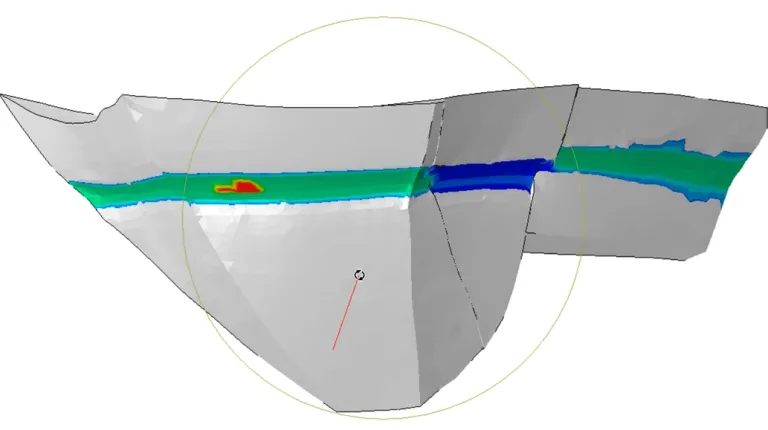
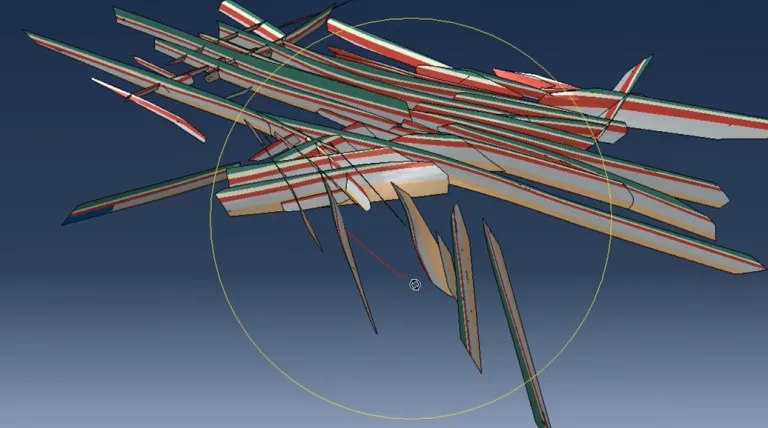
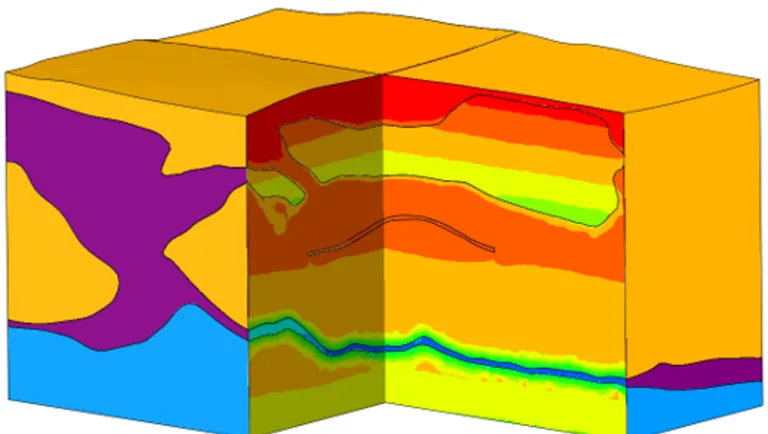
Our geomechanics simulation capabilities deliver high-fidelity analysis of complex subsurface behavior. Powered by Abaqus, the workflow captures advanced fracture mechanics, fully coupled thermal–hydro–mechanical processes, and highly nonlinear rock and boundary behavior, including plasticity, contact, and large deformations. This enables operators to evaluate fracture propagation, reservoir compaction, fault reactivation, well integrity, and other critical geomechanical risks with greater confidence. By integrating the dominant physical processes into a single robust solver framework, the solution delivers reliable predictions for safer, more efficient subsurface operations.

Operations and Maintenance for Downstream Oil and Gas

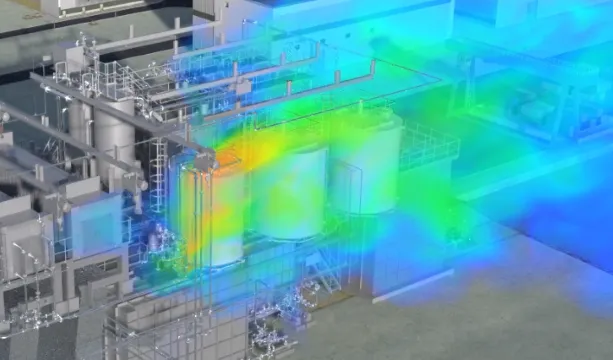
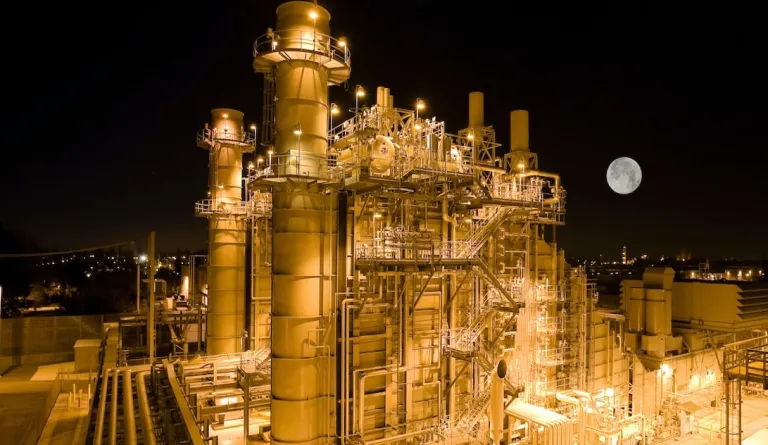
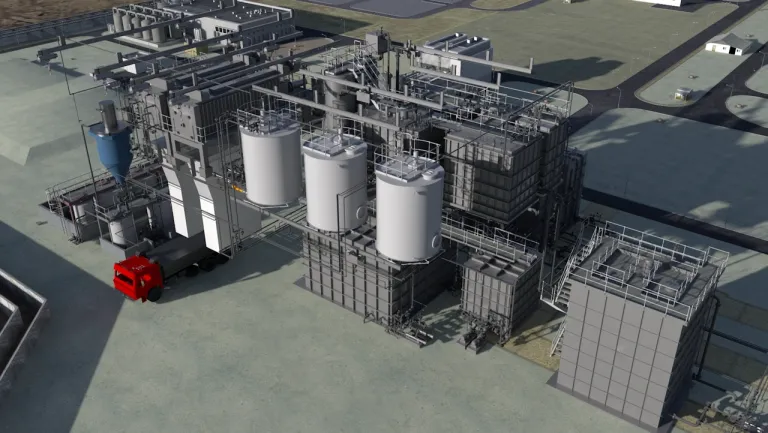
For downstream refineries, petrochemical plants, and processing facilities, SIMULIA helps ensure safe, efficient operations by predicting how critical assets behave under real operating conditions throughout their lifecycles. Equipment such as pumps, compressors, reactors, furnaces, piping systems, and storage tanks is continuously exposed to pressure fluctuations, thermal transients, corrosion, vibration, and creep that can degrade performance or lead to failure.

SIMULIA enables operators to evaluate structural integrity, fitness-for-service, remaining useful life, and potential failure mechanisms using high-fidelity simulation integrated with inspection and monitoring data. With these predictive insights, maintenance teams can prioritize repairs, optimize turnaround planning, assess equipment modifications, and maintain compliance with industry standards. The result is improved reliability, reduced maintenance costs, extended asset life, and safer, uninterrupted production.

Equipment Design for Upstream Oil and Gas

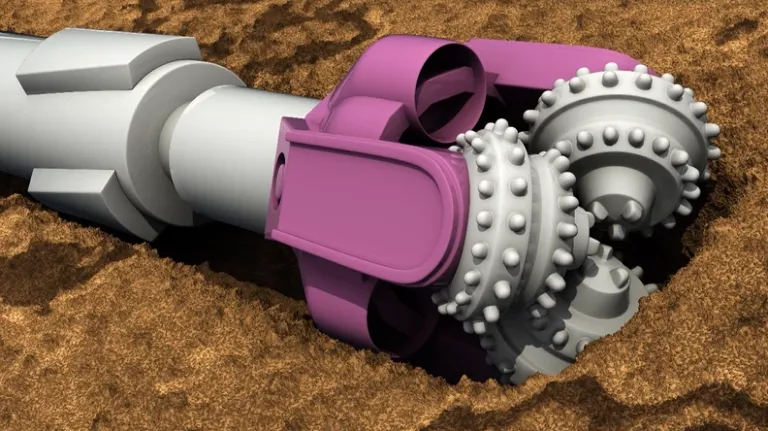
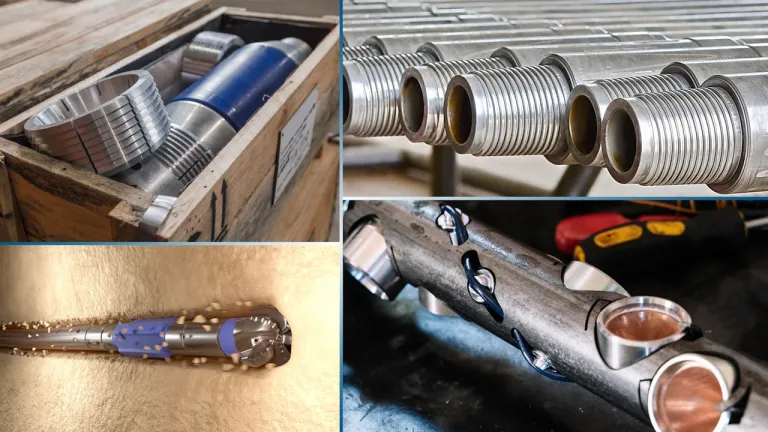
For upstream oil and gas applications, SIMULIA enables engineers to design equipment that performs reliably in extreme subsurface and offshore environments. Wellheads, downhole tools, completion systems, pressure vessels, and subsea hardware must withstand high pressures, high temperatures, corrosive fluids, and complex installation loads over decades of service.

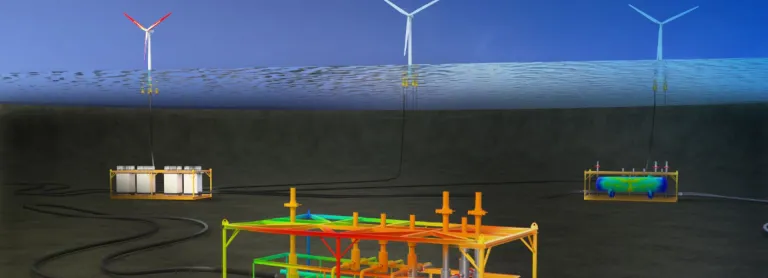
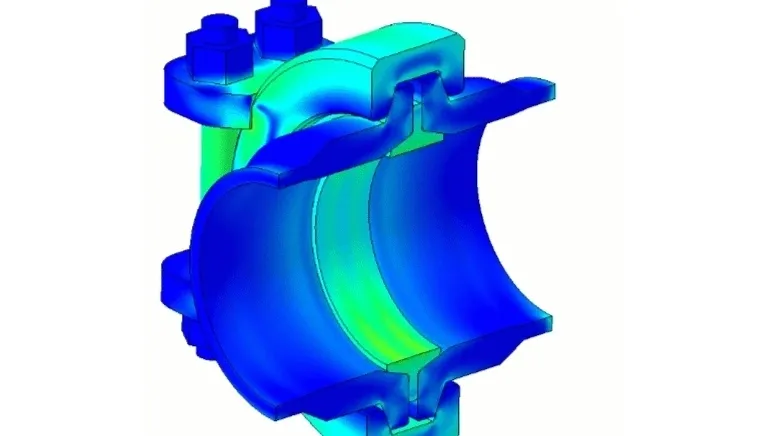
Using advanced multiphysics simulation powered by Abaqus and the 3DEXPERIENCE platform, engineers can virtually validate designs before fabrication by combining structural mechanics, thermal effects, fatigue, fracture, and nonlinear contact. Teams can evaluate seals and threaded connections, predict fatigue life under cyclic production, and assess the stability of offshore structures. By replacing conservative assumptions with physics-based virtual testing, SIMULIA helps reduce overdesign and physical prototyping, accelerate equipment qualification, and deliver safer, more cost-effective solutions to the field.
Simulation for Oil and Gas Workflows

SIMULIA Oil & Gas Resources

Explore the technological advancements, innovative methodologies, and evolving industry demands that are reshaping the Oil & Gas industry. Stay a step ahead with SIMULIA. 

SIMULIA Industry Processes for Oil & Gas

FAQs about Simulation for Oil & Gas

Also Discover

Learn What SIMULIA Can Do for You

Speak with a SIMULIA expert to learn how our solutions enable seamless collaboration and sustainable innovation at organizations of every size.

Get Started

Courses and classes are available for students, academia, professionals and companies. Find the right SIMULIA training for you. 

Get Help

Find information on software & hardware certification, software downloads, user documentation, support contact and services offering