
Transforming Infrastructure & Cities for Your Business and Their Future

#30: How Can Cities Tackle Flooding With Virtual Twins?
Learn how cities’ virtual twins can foster climate resilience and empower communities to adapt and thrive in a changing world.
#30: How Can Cities Tackle Flooding With Virtual Twins?
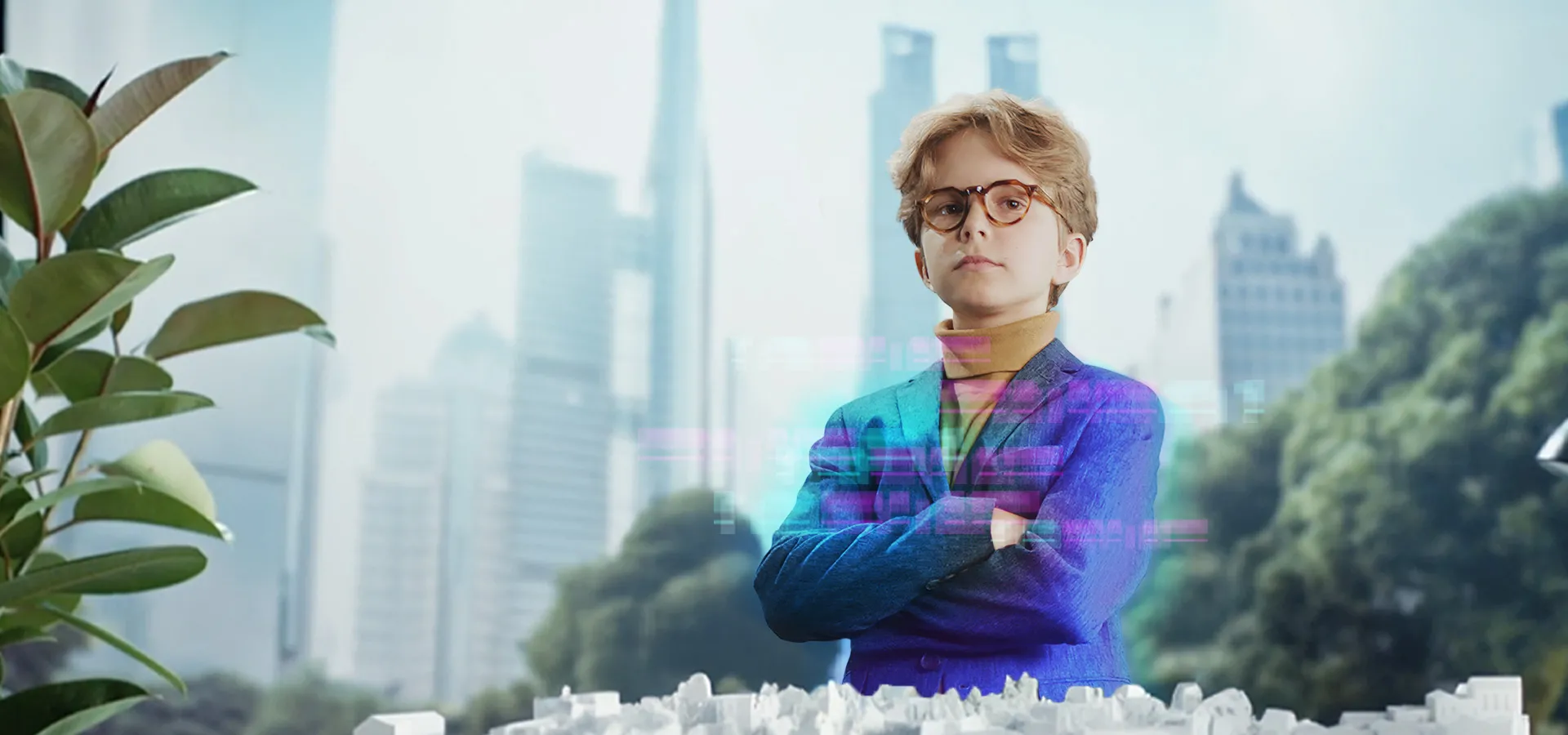
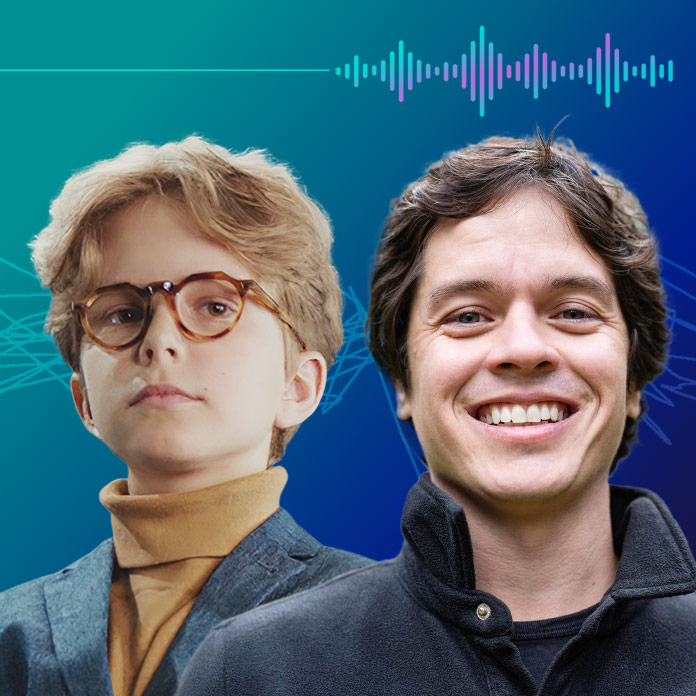
Join 10-year-old Virgil as he chats with Alex de Sá, a business consultant for Cities & Public Services, about building climate-resilient cities. We’ll discover how virtual twins help public authorities predict, prepare for and adapt to challenges like flooding for smarter and safer urban environments.
This episode is part of the Infrastructors project. Click here to find out more.
Meet our speakers


Using a virtual twin isn’t just about watching what’s happening right now; it’s also about understanding the future. If we know which areas are likely to flood, we can start putting real plans in place. That could mean better flood defenses or smarter evacuation plans and emergency routes.”
Alex de Sá
Read the transcript
Narrator: Welcome back to Disruptors Unleashed, where we explore bold, disruptive ideas and chat with the trailblazers who are redefining industries as we know them. Previously, we took an exciting look at how virtual twins can decarbonize rail freight with 9-year-old Infrastructor Bernardo and Muthu Sivanantham from Dassault Systèmes.
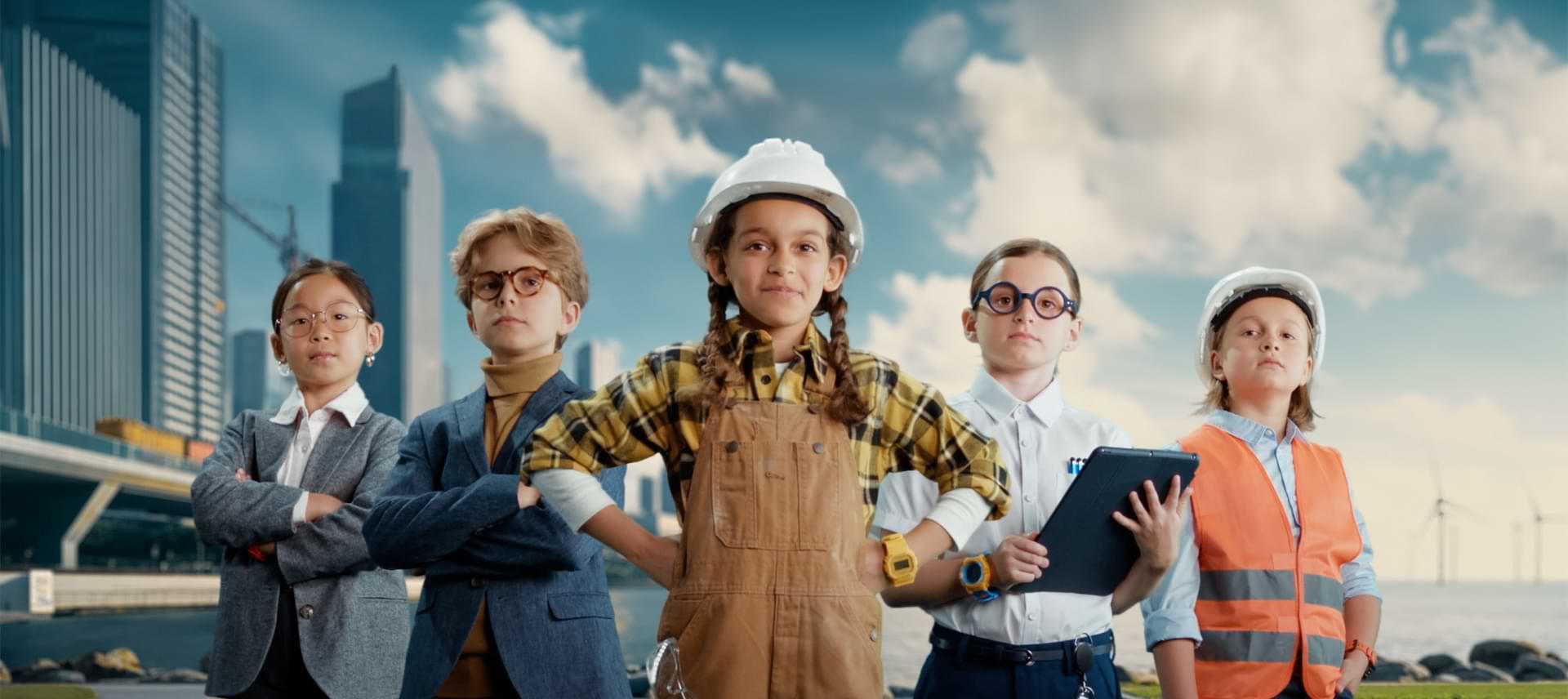
Today, we continue with our exciting new miniseries featuring our very own Infrastructors. The Dassault Systèmes Infrastructors are the small but mighty engineers, builders and designers of tomorrow who are asking the big questions, like how can our infrastructure and cities change to tackle the challenges of today and tomorrow?
Joining me today is Virgil, our 10-year-old Infrastructor. He’s taking the mic to chat with Alex de Sá, one of our leading experts in the Cities & Public Services industry, who is uniquely placed to talk about a huge issue facing cities today: How to adapt our infrastructure in light of our changing climate. Take it away, Virgil!
Alex de Sá: Hello Virgil, my name is Alex de Sá. I am a business consultant for the Cities & Public Services team at Dassault Systèmes and I am also a geospatial expert and remote sensing scientist.
Virgil: So, I’ve been seeing stories about flooding in the news more and more, and I’ve even started hearing about it affecting some of my friends. What causes these floods? And what can we do about them?
Alex de Sá: Firstly, when we talk about flooding, it’s not just one size fits all; there are several types of flooding.
We have, for example, riverine flooding. It happens when a river spills over due to heavy rain or snowmelt, so it’s pretty common in large catchments. Then we have flash flooding, which is super fast and dangerous, often hitting within minutes of intense rainfall, especially in urban areas or steep areas where water can’t soak into the ground. Then we have coastal flooding, which is another big one. It’s really common and usually driven by storms, high tides or even tsunamis, and it’s becoming more of a concern with rising sea levels due to climate change.
Pluvial flooding is one of the most normal ones. It means surface water flooding — rain that builds up in streets and low spots when drains can’t keep up. We also have groundwater flooding. It’s a lesser-known type of flooding because it’s really slow and sneaky, and it’s caused by water tables rising after long wet periods. And the most important one is flooding from dam failures, because it’s human-caused, sudden, powerful and often devastating.
So, I would say that understanding these different types of flooding can help us better prepare, plan and manage flood risks across different landscapes. In addition to understanding the different types of flooding, I think it’s important to understand the different dimensions of the impact, because flooding isn’t just about water covering land; it comes with some serious human and economic problems.
Virgil: Yes, this is what we’re worried about. So how bad can it be?
Alex de Sá: On the human side, floods can displace entire communities, cut off critical services like power, water, transport, schools and hospitals, and tragically lead to injury or loss of life. This is especially true in flash floods, where people try to drive through flood waters without understanding the gravity of the situation. They try anyway, and it can be really dangerous for them. And not only is there the immediate danger, but there’s also the long tail of mental health impacts, because people can suffer from trauma and stress. It can affect individuals and entire communities as well.
Talking about the economy, the impact is massive. We have damage to homes, businesses, roads and public infrastructure. It can really rack up billions in repair and recovery costs. For example, if we talk about insurance, the price of insurance coverage can skyrocket or disappear completely in high-risk areas. And for local economies, floods can wipe out agricultural production, disrupt supply chains and force businesses to close.
Virgil: What are we talking about in absolute costs?
Alex de Sá: One really important piece of information came up when I was reading the official reports from the United Nations Office for Disaster Risk Reduction (UNDRR). It found that from 2000 to 2019, flooding alone made up more than $600 billion USD in losses worldwide. It’s a lot of money. So, when we talk about flood risk management, we’re not just trying to protect buildings; we’re talking about safeguarding lives, protecting communities and also entire economies.
Virgil: Wow, it’s really serious. Couldn’t tech help? I mean, if my dad’s phone can predict the weather, couldn’t we better model and anticipate flooding?
Alex de Sá: Totally, that’s the power of simulation that we have. Of course, it’s not easy to make weather and climate simulations because we use a lot more information. We’re not just guessing where the water might go. We’re using a bunch of real-world variables to make it precise and useful.
So, what type of data are we going to use in our models? We use rainfall data — how much, how fast and where it’s falling. We use geographical information like terrain models, elevation and slopes. We use data on land use as well because water behaves differently on concrete than it does on grass or soil.
We also bring in details about drainage systems like sewer capacity, river levels, tides close to the coast and even weather forecasts. So, you can imagine we have different types of information that we feed into the virtual twin to create a super detailed model of the flooding phenomenon. And this model helps us spot weak points, understand different mitigation scenarios and plan the best way to keep the city safe for the people who live in it.
Virgil: Phew, that’s a relief. But how?
Alex de Sá: I believe that with this tool, we’re no longer stuck just reacting to the flood after the damage is done. With the tools we have, like the virtual twin, we can actually anticipate where and when the flooding is likely to happen. That means we can plan ahead. We can reinforce flood defenses, reroute infrastructure and create smart emergency plans. It’s about spotting risks before they turn into disasters.
So yeah, I think with the tech that we have today – geospatial information, remote sensing or even the virtual twin – there’s really no excuse not to be ahead of the game. I believe that flooding may always be a threat, but it doesn’t have to be a surprise.
Virgil: I agree. Could you tell me more about what your team is doing to achieve this?
Alex de Sá: Yes, of course, Virgil. I’ve been working with the Cities & Public Services team at Dassault Systèmes, and we actually have something we call the Urban Virtual Twin as a Service.
Alex de Sá: Basically, it’s a tool that is going to help local governments and emergency entities to better understand this type of phenomenon. What are we proposing for them? We’re going to collect urban and environmental data, run simulations, analyze the results, generate reports and develop a citizen communication strategy. So, we’ll use the data from collection all the way through to communication with citizens. I think this is really important because we’ll use scientific insights to develop useful information for the population.
Virgil: This sounds like a lot of information to manage. How can it be collected and analyzed?
Alex de Sá: Today, we have what we call the 3DEXPERIENCE® platform. Basically, it’s a single source of truth. You can imagine all the data, processes, information and people working together. You have different stakeholders – urban planners, environmental agencies and civil associations – all collaborating inside the same platform. They have access to the same information and they can then make the best decisions for the city — truly collaborative decisions.
And it’s important to note that cities are really complex. You can imagine different layers on top of each other, like a system of systems. Imagine road networks, buildings, water systems, energy systems and the people. So, when something like flooding happens, it’s going to throw off the whole balance of the city. That’s why it’s important to understand how flooding happens and how it moves through a city — not just the spatial dynamics of the flooding but also the temporal dynamics.
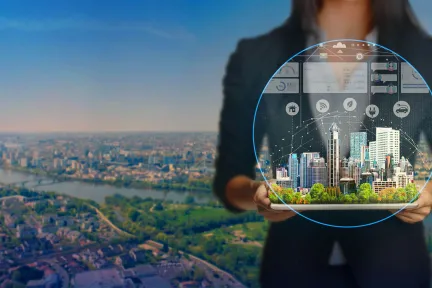
Alex de Sá: That’s the reason I say the virtual twin is an important tool for us — because it’s smart, it’s interactive and it’s a digital version of the city where we can put all types of data. You can imagine sensors, IoT data, citizen information, city departments’ information and even private companies collaborating as well.
It actually lets people see what’s going on and it doesn’t stop there, because you can simulate all this information. So, what happens if a river overflows? What will happen if a neighborhood is exposed to a heavy rain episode?
That’s the real magic. From urban planners to emergency services to regular citizens, everyone can look at the same virtual model of the city to collaborate, plan ahead and make better decisions.
Alex de Sá: I would say that with this type of technology, instead of reacting when things go wrong, we can stay a step ahead and anticipate potential risks. It’s about being prepared, efficient and making life better for the people who live in these places.
Using a virtual twin isn’t just about watching what’s happening right now; it’s also about understanding the future. If we know which areas are likely to flood, we can start putting real plans in place. That could mean better flood defenses or smarter evacuation plans and emergency routes. Instead of scrambling when the water is already rising, we’ve got a solid game plan. It’s all about being proactive instead of reactive.
When we talk about flooding simulation, it doesn’t just help city planners and urban management. It actually helps emergency services, too. When we can simulate a flooding scenario, we can start figuring out exactly where the biggest impact will be and when it might happen. So, who needs to be there? That’s where dynamic workforce planning tools come in. It’s like smart scheduling for emergency teams — we match the right people with the right skills to the right place at the right time. And it’s not static, it’s dynamic. If something unexpected happens, the system can adapt on the fly. Instead of chaos, we get a coordinated response.
In short, we use simulations to improve workforce management for the emergency services team. I believe it’s a fast, smart and dynamic decision for the city.
Virgil: Sounds great! Thank you so much for speaking with us today and telling us all about how technology can help us tackle flooding.
Alex de Sá: Thank you, Virgil. It was a pleasure to talk to you, and I’m looking forward to seeing what you and the Infrastructors are going to do next.
Virgil: Back to you, Yani!
Narrator: Thank you for your time, Virgil and Alex. Want to hear more? Tune in to Disruptors Unleashed to listen to other Infrastructors on the biggest challenges impacting our infrastructure and cities. ‘Til next time!
Disruptors Unleashed is produced by Dassault Systèmes. For more episodes, follow us on Apple Podcasts, Spotify, Deezer, or your nearest audio streaming platform. To learn more about Dassault Systèmes, visit us at 3ds.com.
Learn More
Transform data into action to plan smarter and mitigate climate change with the city virtual twin.

Unlock the potential of your students with the 3DEXPERIENCE platform. International competitions to foster student skills and collaboration.

Recently Aired
Explore how smart grid technologies powered by virtual twins can help us create a more resilient and sustainable tomorrow.
Podcast

Discover how urban planners can leverage virtual twins to transform our cities for a resilient future.
Podcast

Learn how virtual twins can help manufacturers optimize lifecycle management and unlock cost savings through sustainable sourcing and eco-design.
Podcast

Discover how rethinking R&D in life sciences and healthcare fosters biodiversity preservation and medical innovation.
Podcast

Discover how Education Experiences equip today’s students with industry-ready skills to engineer a more sustainable tomorrow.
Podcast

Explore how modular construction and digital innovation are reshaping the building industry to enable more efficient, sustainable urban development.
Podcast

Learn how cities’ virtual twins can foster climate resilience and empower communities to adapt and thrive in a changing world.
Podcast

Join 9-year-old Infrastructor Bernardo as he explores how virtual twins enable bold energy solutions to decarbonize rail freight.
Podcast

Explore how Dassault Systèmes delivers the missing piece, connecting people, data and processes for end-to-end manufacturing transformation.
Podcast

Learn how the 3DEXPERIENCE platform harnesses collective intelligence, empowering organizations to confront sustainability challenges for a greener future.
Podcast

Discover how the virtual twin fosters end-to-end collaboration across product engineering, manufacturing planning, scheduling and operations.
Podcast

Get the full story on how emerging technologies are transforming the way we teach our engineering students.
Podcast

Discover how virtual twin experiences are shaping the future of industrial equipment manufacturing.
Podcast

Explore the cutting-edge world of virtual twins and their transformative impact on the industrial equipment industry.
Podcast

Discover how seamless collaboration, cloud-enabled apps and effective knowledge re-use accelerate creating innovative high-tech experiences
Podcast

Learn how virtual twin experiences are set to revolutionize medical device design, clinical trials and patient treatments.
Podcast

From the surge in electrification to the advent of software-defined vehicles, these trends compel automotive businesses to innovate faster and more efficiently.
Podcast

Tune in to explore how virtual twin technology enables top aerospace companies to manage conflicting trends, speed up development and reduce costs.
Podcast

Get expert insights on how businesses can empower their engineering teams to achieve greater speed, efficiency and performance through MODSIM.
Podcast

What does a sustainable city of the future look like? Listen to a preview of the Building Tomorrow five-part documentary series.
Podcast

How can the virtual twin help reduce the environmental impact of building a sustainable tower? Bastien Hillen from Dassault Systèmes has the answer.
Podcast

Everything you’ve ever wanted to know about productization — a modular approach to product design — and its impact on the construction industry.
Podcast

We take a peek into Building Tomorrow, a five-part documentary series that examines what a sustainable city of the future will look like.
Podcast

Tune in to learn how In-space Servicing, Assembly and Manufacturing (ISAM) technologies power a more sustainable space environment and economy.
Podcast

Circularity embraces a fundamental economic transformation that redefines product design, the materials used and how businesses operate.
Podcast

Making circular economy achievable, scalable and profitable.
Podcast

Transform how you do business through circular supply chains to achieve profitability and lasting success.
Podcast

Applying Eco-design Principles for the Entire Product Lifecycle
Podcast

Embracing Circularity into Product Development through Sustainable Materials
Podcast

Tune in to discover how digital transformation raises inventory management to new heights, unlocking new horizons for manufacturing success.
Podcast