



The FDA Enrichment In Silico Clinical Trial Project
A collaboration between Dassault Systèmes and the U.S. FDA on a groundbreaking application of virtual twins and generative AI in healthcare
EBooks
A translational research initiative to revolutionize cardiovascular science through realistic simulation
In a world where technology has revolutionized industries from automobiles to aviation, one critical field remains surprisingly behind: medicine. While every product around us can be imagined and perfected in 3D, our healthcare system is still navigating with outdated 2D tools. But change is on the horizon.
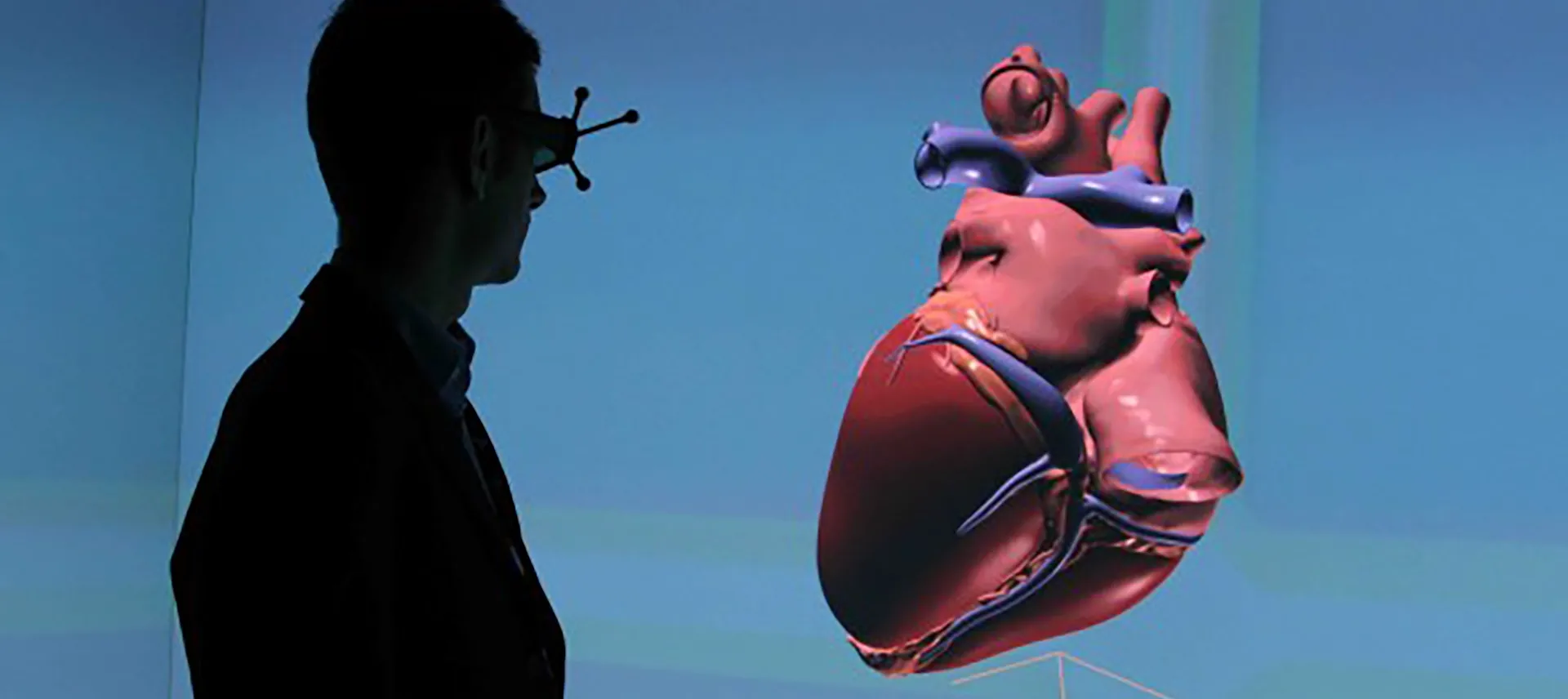
The Living Heart Project is a groundbreaking initiative that represents the best of what biomedical engineering and computational modeling can achieve. It is a collaborative effort to create the most anatomically and physiologically accurate virtual twin of the human heart. Powered by the 3DEXPERIENCE platform from Dassault Systèmes, this open innovation project unites hundreds of clinicians, researchers, industry leaders, and regulators to simulate the heart’s electrical, structural, and fluid dynamics with unprecedented fidelity.
After a decade of operation, The Living Heart Project stands as a visionary milestone in biomedical innovation, having achieved the creation of the world’s first multi-scale virtual twin of the human heart, integrating cellular, tissue, and organ-level dynamics into a single high-fidelity simulation.
This breakthrough laid the groundwork for the development of the first fully parametric heart model, enabling the customization of cardiac anatomy and function to individual patients with unparalleled precision and speed. One of its most transformative accomplishments is the ENRICHMENT project, conducted in collaboration with the U.S. FDA, which demonstrated how in silico simulations could augment and accelerate device evaluation, marking a pivotal shift in the regulatory paradigm.
The Living Heart Project has not only redefined cardiovascular research and treatment but also sparked a broader revolution, inspiring virtual twin initiatives that now aim to model the entire human body, ushering in an era of system-level digital physiology and predictive medicine.
The Living Heart Project has changed the way we view healthcare, driven by one basic principle; to succeed we must collaborate.
Uniting leading cardiovascular researchers, educators, industry, regulatory agencies and clinicians on a shared mission to develop and validate highly accurate personalized digital human heart models.
Decades of important research have already created a wealth of information on various aspects of heart function. Only recently have spectroscopic techniques advanced sufficiently to reveal the critical subtleties in geometric structure and physiological phenomena that are essential to developing a more complete understanding of the dynamics of the heart. Further complexities in heart function—particularly in congenitally defective and diseased hearts and their interaction with interventional medical devices and replacement structures—require additional research. 3D modeling of the heart, based on real-world, patient-specific input, can unite all of this data and support promising research in advanced surgical and therapeutic directions.
Computer simulation is increasingly being viewed as an essential design tool by cardiac device and services companies. Computer simulation helps them visualize what they cannot see, replicate in vivo conditions, more fully explore the design space, refine ideas faster, and develop novel service solutions that are more effective and safer for patients. All of which leads to better designs and a reduction in expensive prototyping and testing, allowing companies to get products and services to market faster.
Despite the vast public and private investment in cardiovascular disease (CVD) research, much of it fails to translate into clinical practice. A central challenge is the difficulty of exploring innovative treatment options in a cost-effective way while meeting strict regulatory requirements for safety and efficacy. In silico techniques offer significant promise by providing deep insight into cardiac function and, once sufficiently refined and validated, a risk-free environment for predicting in vivo outcomes that may not be attainable through traditional methods. When combined with accurate simulation of heart function, these tools can greatly enhance clinical decision-making for CVD treatment.
Regulatory compliance is a key component of device development. The U.S. Food and Drug Administration (FDA), through initiatives such as the creation of a simulation model repository and Medical Device Design Tools (MDDTs), has stepped up efforts to more actively encourage the use of simulation. The FDA recognizes the value of simulation for device development, for cardiac services and treatments, and for virtual testing that supports the approval of device submissions. Simulation is also understood to help reduce animal testing and clinical trial costs, improve upon bench testing, and provide deeper understanding of in vivo behavior where traditional methods of assessing devices simply aren’t possible. Through sponsorships and active participation in organizations like the Medical Device Innovation Consortium (MDIC) the FDA is exploring how to leverage simulation to advance regulatory science through various initiatives.
The Living Heart, developed through Dassault Systèmes’ Living Heart Project, is the first commercial human heart simulator designed to understand and predict the electro-mechanics of cardiac abnormalities and disease states. Cardiovascular experts can explore treatment options or study the efficacy of new medical devices and predict reliability under real-world conditions.
Simulating an entire human heart that beats realistically is a highly coupled, multi-scale, multi-physics problem layered on top of a complex materials engineering problem that requires an understanding of cardiovascular physiology and computational modeling and simulation.
Through the collective intelligence and collaborative efforts of Living Heart Project members, the Living Heart models provide a unified foundation for cardiovascular in silico medicine for more innovative MedTech and Biopharma design, testing, clinical diagnosis and regulatory science - creating an effective path for rapidly translating current and future cutting edge innovations directly into improved patient care.
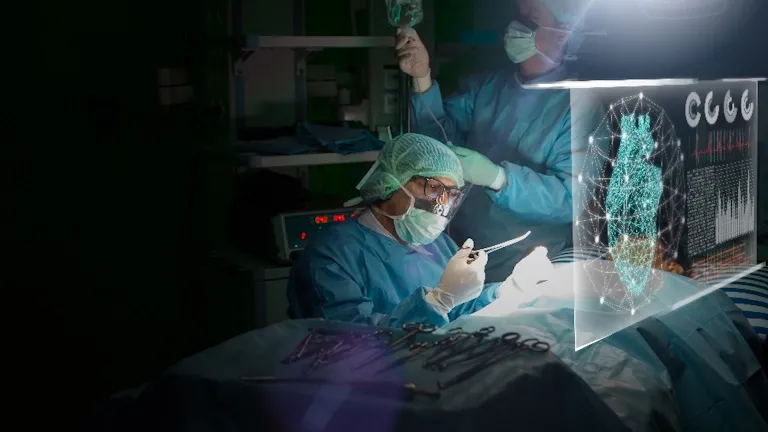
Additionally, these groundbreaking models serve as a common technology base for education and training and allow doctors to explore, diagnose, and treat heart conditions with unprecedented precision. By using 3D technology, doctors can test procedures, predict complications, and tailor treatments to individual patient needs.
The ENRICHMENT project was a pioneering initiative launched by Dassault Systèmes and the U.S. Food and Drug Administration to leverage virtual patients based on computational modeling and simulation to improve efficiency of clinical trials for new device designs. Visit the ENRICHMENT project’s webpage to learn more about this groundbreaking application of virtual twins and generative AI in healthcare.
Today, health care professionals have a wealth of powerful options available, yet an absence of effective guidance on the choices for any individual case. Concurrently, technology is helping the world create an unprecedented ability to measure the formerly immeasurable and perform for formerly impossible.
This annual event gathers the largest, sustained global community of technical and thought leaders from academia, industry, government, and clinical practice who share experiences, data and the vision toward the creation of virtual twins of the human body. Listen to past conferences to explore the acceleration of the field, driven by the convergence of AI, multiscale modeling and patient-specific data to develop smarter, safer and more personalized therapies.
A collaboration between Dassault Systèmes and the U.S. FDA on a groundbreaking application of virtual twins and generative AI in healthcare
EBooks
Press Release
January 24, 2024
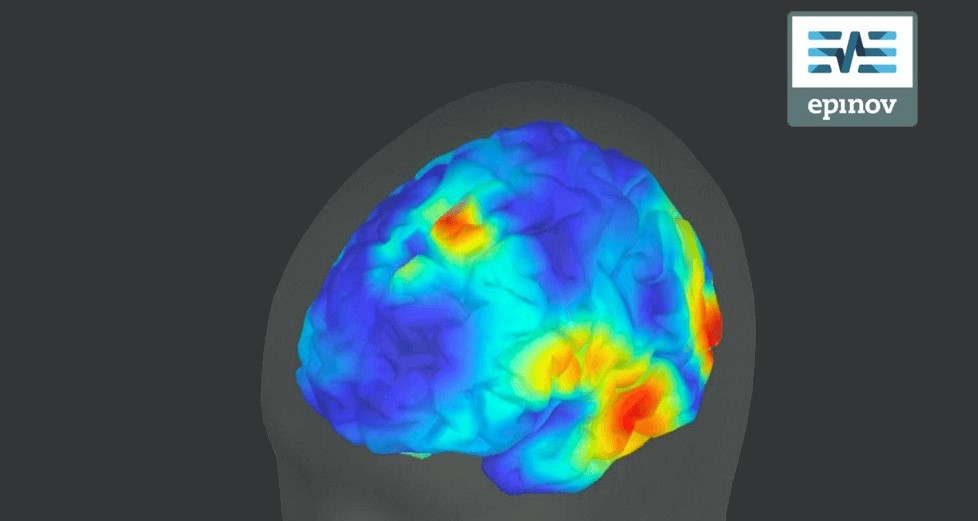
Improving Epilepsy Surgery Management and Prognosis using Virtual Brain Technology.
science