




EVIO
Discover how EVIO improved collaboration with a single connected environment for 3D design, product data management and virtual reality experiences.
Customer Story
Foster responsible innovation and empower teams to build a sustainable, greener future through collaboration and eco-friendly practices
Lifecycle Assessment (LCA) is a systematic methodology for evaluating the environmental, social and economic impacts of a product throughout its entire existence—from raw material extraction and processing to manufacturing, distribution, use and end-of-life management. This comprehensive analysis aims to minimize environmental burdens, enhance resource efficiency and uphold ethical standards. LCA provides the critical data needed to support the transition to a circular economy, enabling the design of products optimized for reuse, repair and recycling. By integrating LCA with Product Lifecycle Management (PLM) systems, businesses can seamlessly embed sustainability metrics into every stage of the product lifecycle, ensuring that environmental considerations are prioritized alongside performance and cost objectives.
LCA evaluates the environmental, social and economic impacts of a product throughout its lifecycle. It encompasses key stages such as material sourcing, production, transportation, usage and end-of-life management, focusing on minimizing waste and maximizing resource efficiency. LCA measures critical environmental impacts, including carbon footprint, water usage, energy consumption, resource depletion and pollution. Its purpose is to guide informed decision-making in product design and material selection, support sustainability goals, ensure regulatory compliance and promote circular-economy principles such as reuse and recycling. Advanced tools and software are used to analyze data and provide actionable insights, enabling businesses to improve sustainability and reduce environmental impacts effectively.
Integrating Environmental Impact Assessment (EIA) directly within the engineering workflow is no longer an elective—it is a strategic imperative for driving true eco-efficiency. By leveraging advanced LCA tools and PLM software, engineering teams can optimize material selection and usage, systematically reducing carbon footprints across the entire value chain. PLM enhances decision-making by providing real-time analytics and insights, enabling teams to track environmental impacts at every stage of the product lifecycle. Sophisticated modeling capabilities ensure that stringent regulatory compliance is woven into the product DNA from initial concept through to decommissioning. This holistic oversight, powered by PLM, allows for the identification of circular opportunities, ensuring every design decision aligns with both high-performance benchmarks and global sustainability mandates.
The 3DUNIVERSES is revolutionizing LCA by combining Virtual Twins, generative models and trusted data on the 3DEXPERIENCE Platform to deliver actionable insights and agility across the product lifecycle. This innovative platform enables real-time collaboration for aligning teams on sustainability goals, leverages generative intelligence to optimize processes and reduce waste and operates on a secure, scalable cloud-native foundation for continuous improvement. By merging advanced AI and Virtual Twin technology with LCA principles, 3DUNIVERSES empowers businesses to drive innovation while achieving their environmental objectives.
Embed ecological considerations and LCA methodologies throughout product development to minimize carbon footprints and ensure stringent regulatory compliance across the product's lifecycle.
Maximize output through optimized material selection and energy-efficient engineering, informed by detailed lifecycle data to minimize environmental impact across.
Prioritize durability, modularity and decommissioning in your engineering process to facilitate seamless material recovery and promote a closed-loop resource ecosystem.
Uphold social responsibility and ethical standards throughout your supply chain by ensuring fair labor practices, community well-being and sourcing transparency as part of a holistic LCA.
Lifecycle Assessment (LCA) ensures adherence to global environmental standards and regulations, reducing legal risks and enhancing market access. By adopting LCA, companies can demonstrate their commitment to sustainability, appealing to eco-conscious consumers and stakeholders while gaining a competitive edge in the market. Additionally, LCA optimizes resource use and energy efficiency, leading to significant cost savings in production and operations. It also aligns with broader sustainability initiatives, such as reducing greenhouse gas emissions and conserving biodiversity, contributing to global efforts to combat climate change.
Automate compliance tracking to meet global environmental standards and reduce legal risks.
Companies that adopt LCA can demonstrate their commitment to sustainability, appealing to eco-conscious consumers and stakeholders while differentiating themselves in the market.
By optimizing resource use and energy efficiency, LCA can lead to cost savings in production and operations.
Utilize LCA data to select renewable and recyclable materials like bio-polymers or recycled alloys to reduce environmental impact.
Design for energy efficiency by modeling energy use during manufacturing and operation to cut costs and lower emissions.
Integrating Lifecycle Assessment with Virtual Twin technology is revolutionizing eco-conscious engineering. By leveraging high-fidelity digital representations, teams can simulate environmental impacts and validate design choices before physical production begins. This synergy enables rapid, real-time iterations that optimize material and energy efficiency from the outset. In addition, Virtual Twins support circular economy principles by modeling end-of-life scenarios like disassembly and recycling, ensuring resource loops are closed and waste is eliminated across the value chain.
Customer Stories
The team uses the 3DEXPERIENCE platform and its Sustainable Innovation Intelligence solution to assess the environmental impact of its electric formula racing car. Through a comprehensive lifecycle assessment (LCA), they can examine which areas of the vehicle to improve, using this analysis to guide the eco-design of its next-generation racing car.
Each year is a new chance to improve the car. LCA guides us to design a vehicle that is truly sustainable without compromising on performance. Eco-design is a mindset. In less than a year, we put in place a system to perform an LCA and develop a sustainability strategy. If we can do it, then what are you waiting for?
Discover how EVIO improved collaboration with a single connected environment for 3D design, product data management and virtual reality experiences.
Customer Story
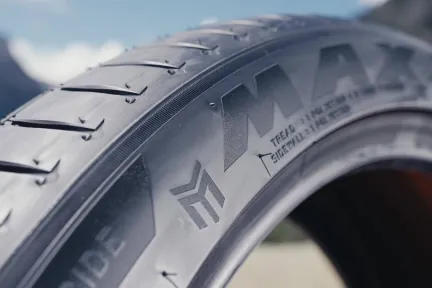
Cheng Shin Tire uses MODSIM to innovate tire designs, materials, and compounds for next-gen mobility, driving competitive edge for its global Maxxis brand.
Customer Story
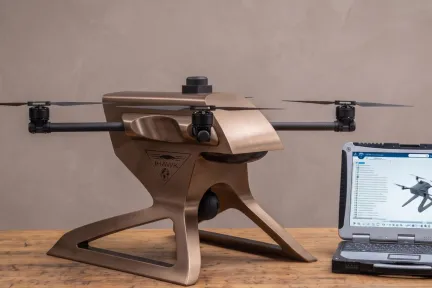
iHawk Global redefines container yard visibility with autonomous drones and ground robots which are designed using a simulation-first approach on the 3DEXPERIENCE platform.
Customer Story
Blue Spirit Aero uses the 3DEXPERIENCE platform to develop Dragonfly, a hydrogen-powered aircraft, with Virtual Twins for design, simulation, and certification.
Customer Story
Discover how our PLM solutions can make a difference—explore the content below.
Lifecycle analysis tools from the 3DEXPERIENCE platform help you make sustainable choices about products and manufacturing processes.
White Papers
Online roundtable | Replay
E-seminars
Enhance product innovation and accelerate market delivery through effective collaboration
Streamline data integration, enhance operational efficiency and ensure compliance across the organization
Navigate product quality and compliance confidently with essential insights to maintaining standards and fulfilling regulatory demands
Define clear objectives and prioritize actions to ensure sustainable growth and competitive advantage
Speak with an ENOVIA expert to learn how our solutions enable seamless collaboration and sustainable innovation at organizations of every size.
Courses and classes are available for students, academia, professionals and companies. Find the right ENOVIA training for you.
Find information on software & hardware certification, software downloads, user documentation, support contact and services offering.