Maxxis International by Cheng Shin Tire
Cheng Shin Tire uses MODSIM to innovate tire designs, materials, and compounds for next-gen mobility, driving competitive edge for its global Maxxis brand.
Staying at the Forefront of Tire Design Engineering Innovation
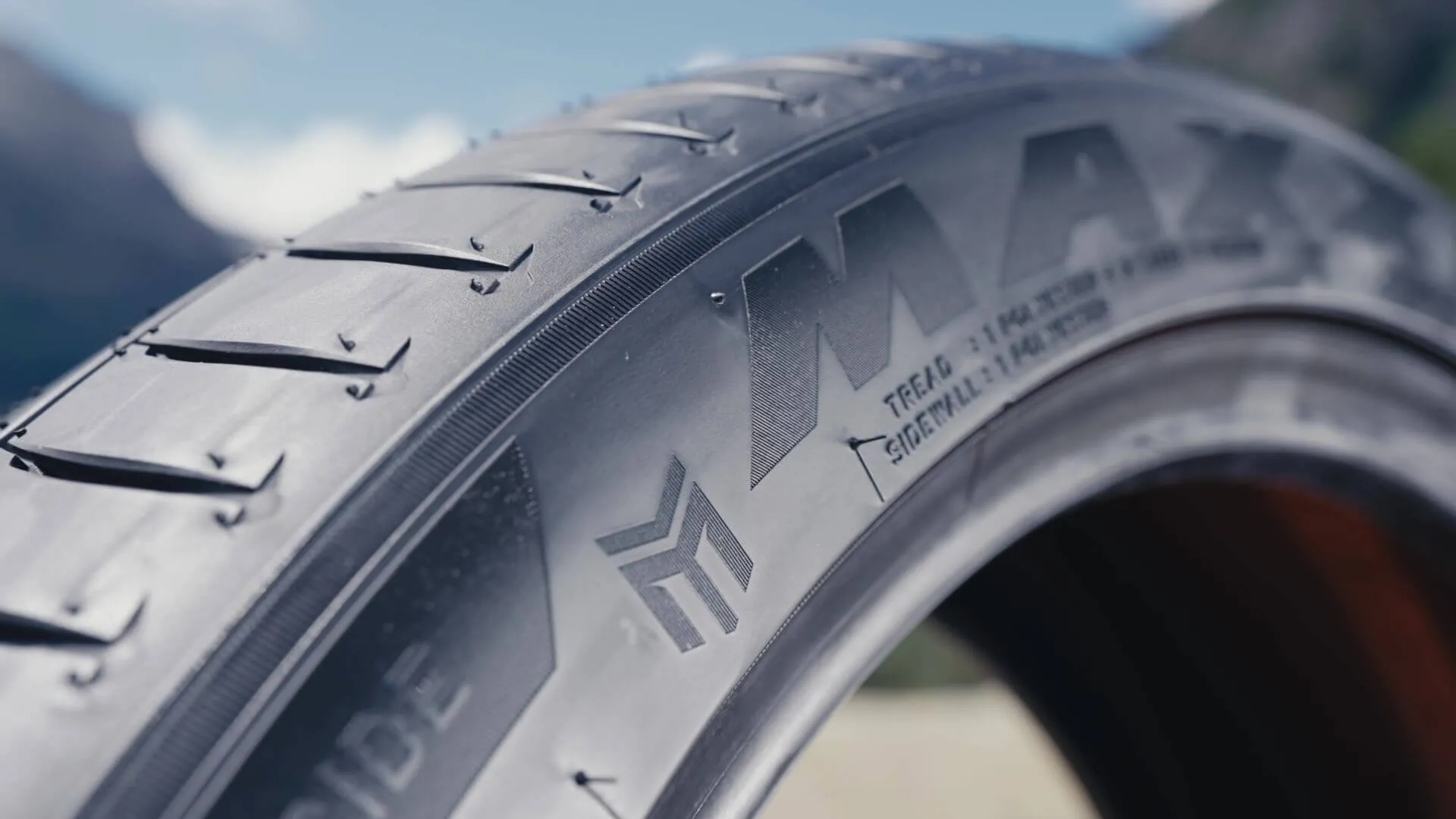
At first glance, a tire might look like one of the simpler parts on a vehicle. In reality, it’s much more sophisticated. That familiar black ring of rubber conceals a precision-engineered system built to carry weight, grip the road and roll efficiently. Today, electrification, autonomous technology and stringent sustainability standards are making tire design more complex and data-driven than ever before. Heavier battery packs in electric vehicles (EVs) put greater strain on tires, while the absence of engine noise makes every sound they produce more noticeable. Tire manufacturers like Cheng Shin Tire, the Taiwanese company behind Maxxis International's global tire brand, must now reduce energy loss to extend range, increase durability under higher loads, and minimize tire noise to meet new expectations for comfort.
Maxxis’ next-generation smart tires go well beyond performance in the traditional sense. Embedded sensors enable them to monitor road conditions, load and speed in real time, supporting smarter system-level integration for electric and next-generation vehicles. Advanced rubber compounds and structures deliver higher mileage, improved handling, optimized rolling resistance, and quieter, smoother rides. Materials are evolving too. Alongside conventional rubber types, Maxxis tires incorporate bio-based, eco-friendly materials such as rice husks and sunflower seeds, as well as recycled plastics and fishing nets to reduce environmental impact without compromising performance.
“Cheng Shin Tire was founded in 1967, and our core product was bicycle tires,” said Justin Chen, chief information officer at Maxxis International. “Over the years, we expanded into motorcycle, passenger car, truck, bus and other specialty tires. Electrification and new vehicle technologies are pushing us to rethink how we design and test every day. Our global customers are also asking us to use more sustainable and recycled materials.”
These challenges are compounded by tightening regulations around tire wear, recyclability and end-of-life management. Initiatives such as Europe’s Digital Product Passports will soon require full product-level traceability.
“We need to manage a global supply chain and comply with regulations in every market,” Chen said. “When we export to different countries, we must follow requirements ranging from tire wear particles to recycling standards.”
To stay compliant and innovate at this scale, Cheng Shin Tire has moved its research and development (R&D) to Dassault Systèmes’ 3DEXPERIENCE platform on the cloud, bringing together tire design, simulation and lifecycle management data in a centralized environment. This connected system lets teams test ideas virtually, iterate faster and respond more quickly to customer needs and regulatory changes, ensuring every tire meets the highest standards of performance, safety and sustainability.
Global R&D Collaboration
Maxxis’ renowned position in the global tire market is defined by Cheng Shin Tire’s long-term commitment to R&D and the way innovation is embedded across the organization. The company operates five major research centers across Asia, Europe and the US, each contributing to different aspects of tire design, testing and validation.
“In the past, staying aligned across these centers was challenging because they worked in siloes and our data was stored in different systems,” Chen said. “The reason we selected Dassault Systèmes is because of its complete, connected product range, including design and simulation with CATIA and SIMULIA. Dassault Systèmes is also constantly improving its solutions, which makes them a strong partner for the long term. Today, the 3DEXPERIENCE platform unites our R&D centers worldwide and enhances collaboration.”
Close working partnerships with global OEMs have always been central to Cheng Shin Tire’s strategy. The company supplies leading automotive brands, building relationships based on shared innovation and consistent performance across markets. As automakers rethink vehicle architectures, from electric drivetrains to autonomous systems, tire manufacturers like Cheng Shin are being pulled earlier into the development process. Tire designs must now align with vehicle platforms, performance targets and regulatory requirements often years before a car reaches production.
By bringing its R&D teams onto a single platform, Cheng Shin Tire gains a clearer view of all these requirements through ENOVIA so it can plan development more strategically.
“With the same platform, it’s much easier for us to communicate and work together,” Chen said. “It also allows us to track the progress of different projects, share R&D information and data, and support end-to-end lifecycle management.”
Using cloud-based simulation in virtual tire development, we have seen analysis time reduced by around 60%, which helps us respond much faster to market demands.

Accelerating Tire Engineering Through MODSIM
Rigorous testing plays a major role in Cheng Shin Tire’s innovation strategy. Its proving ground in Kunshan, near Shanghai, is one of a select few privately owned tire testing facilities of its kind, a controlled environment where tires are pushed to their limits. This hands-on testing expertise is now being extended and amplified through virtual simulation.
Cheng Shin Tire’s goal is to compress development cycles without sacrificing accuracy and quality. The shift to integrated modeling and simulation (MODSIM) aligns naturally with the manufacturer’s comprehensive approach to validation. Instead of replacing physical testing, MODSIM augments it, allowing engineers to explore far more scenarios before a tire ever reaches the track.
“We want to be able to do virtual design, virtual testing and development at the same time,” Chen said. “And with CATIA and SIMULIA, we can do just that. We can share internal data across our R&D centers to support design, simulation, material development and engineering. When we want to try new materials or new structures, we can put all the data into the same platform.”
That continuity matters when testing becomes iterative at scale. Cloud-based tire simulations give Cheng Shin Tire the flexibility to use computing power on demand so that teams can run multiple scenarios in parallel and feed results into physical testing and back again within a single loop. This accelerates overall development and gives engineers the freedom to explore more new materials and compounds while maintaining the traceability needed to support emerging regulations.
“During the product development lifecycle, all teams can work together, which reduces the development cycle and improves consistency between teams,” Chen said. “Using cloud-based simulation in virtual tire development, we have seen analysis time reduced by around 60%, which helps us respond much faster to market demands. Having a single database also means the data is consistent and reliable, ready to be used for engineering and manufacturing with the correct parameters.”
AI, Machine Learning and Future Tire Development
As mobility becomes more connected and engineering datasets grow exponentially, Cheng Shin Tire sees an opportunity to work even faster and smarter. Engineers are beginning to use AI and machine learning to explore even more tire designs and compounds, test them virtually in countless scenarios and iterate toward the best possible solution for individual vehicles and markets. Throughout, they will optimize for safety, efficiency and longevity before a single prototype reaches the test track.
“With the introduction of machine learning and AI, the 3DEXPERIENCE platform lets us access all our data across the lifecycle, from design to simulation to engineering,” Chen said. “By having everything in one place, we can explore AI-driven projects more effectively, run smarter simulations and test more options faster. This digital foundation will support stronger predictive capabilities and greater automation in the future.”
Cheng Shin Tire’s ambition extends far beyond R&D. The company aims to apply the same data-driven approach across the entire business to create a fully connected system that drives performance and sustainability at every stage of the development cycle.
“We believe Dassault Systèmes’ solutions portfolio will support us to extend digital continuity into manufacturing, supply chain and quality operations,” Chen said. “It will help us address challenges in global supply chain management and quality control, and accelerate our work on sustainable materials and tire performance. Together, we are building the foundation for faster, smarter and more sustainable tire innovation.”

Focus on Maxxis International by Cheng Shin Tire
For more than 50 years, Cheng Shin Tire has combined large-scale manufacturing, global R&D and engineering expertise to deliver high-quality tire solutions under the Maxxis brand to OEM and aftermarket customers worldwide. Cheng Shin Tire offers products for automotive, light truck, motorcycle, ATV, bicycle, lawn and garden, and industrial use. The company has operations in Asia, Europe and North America, and its products are distributed in approximately 180 countries. Cheng Shin Tire employs more than 23,000 people around the world.
For more information: https://www.maxxis.com/int/
TAKEUCHI
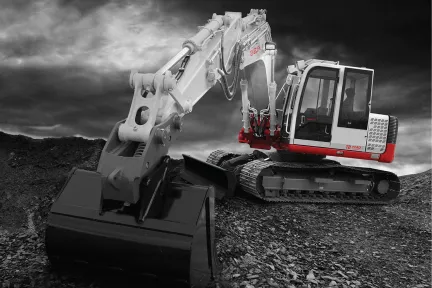
Construction equipment manufacturer Takeuchi faced growing pressure to streamline its development processes. The company chose Dassault Systèmes’ to provide an integrated platform for product design, analysis and production.
Customer Story
Premekon
Finish turnkey solutions provider Premekon adopted the 3DEXPERIENCE platform to develop more sustainable products more efficiently.
Customer Story
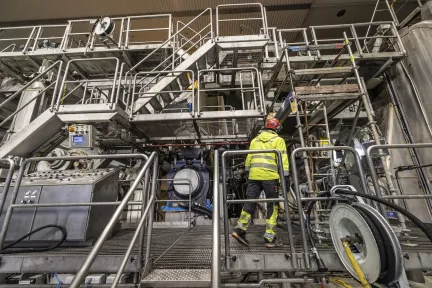
Hyundai Everdigm
Hyundai Everdigm manufactures heavy mobile equipment and is now able to work more productively and seamlessly with the 3DEXPERIENCE platform.
Customer Story
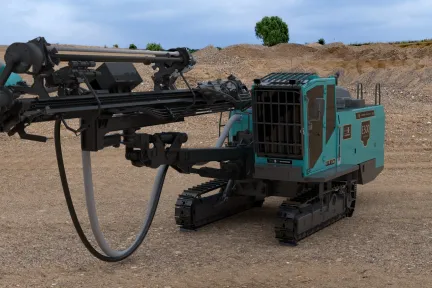
Stelweld
Polish Stelweld is shaping the future of metal fabrication and uses the 3DEXPERIENCE platform to refine its production processes.
Customer Story
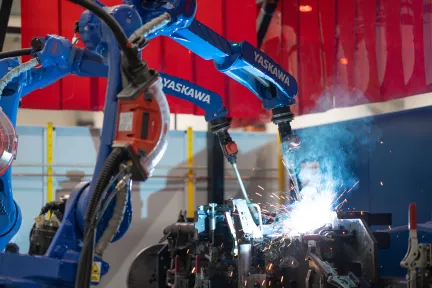
Claas
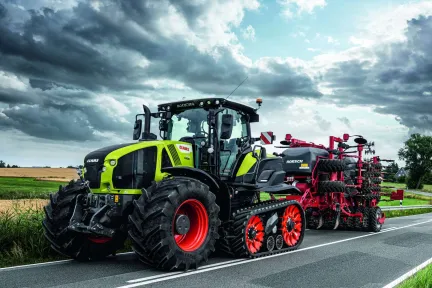
CLAAS adopted Dassault Systèmes’ 3DEXPERIENCE platform and its Single Source for Speed industry solution experience. Engineers and designers at CLAAS sites around the world have access to a unique source of product information that enables collaboration, design reuse, digital simulation before manufacture and consequently less waste and production corrections.
Customer Story
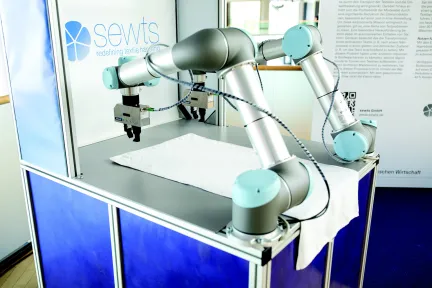
sewts
The German startup envisions completely automating clothing production with a focus on a fully automated laundry.
Customer Story
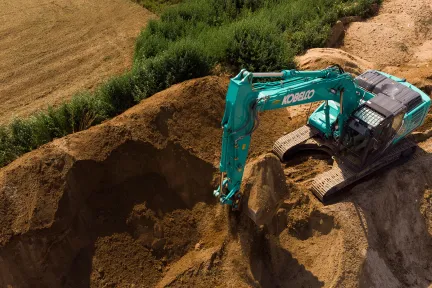
Kobelco Construction Machinery
Kobelco Construction Machinery leverages the Single Source for Speed and Integrated Heavy Machinery solutions to optimize design processes and improve access to information across its organization.
Customer Story
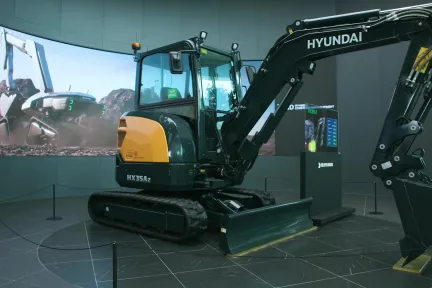
HD Hyundai Xitesolution
To foster greater synergy between its two subsidiaries, Korean construction machinery company HD Hyundai XiteSolution needed to create a common global product development management system to integrate their design, product lifecycle and bill of materials management capabilities.
Customer Story
CLAAS Tractor
CLAAS Tractor designs and manufactures tractors for the CLAAS Group, one of the world’s leading agricultural machinery manufacturers. As part of its strategy to modernize the factory, the company is using the 3DEXPERIENCE platform to effectively handle growing complexity in its products, optimize its assembly line, and digitally plan and drive production with full traceability.
Customer Story