
Aerospace & Defense
Bridge the gap between the virtual and real world to accelerate from concept to operations.
Industry
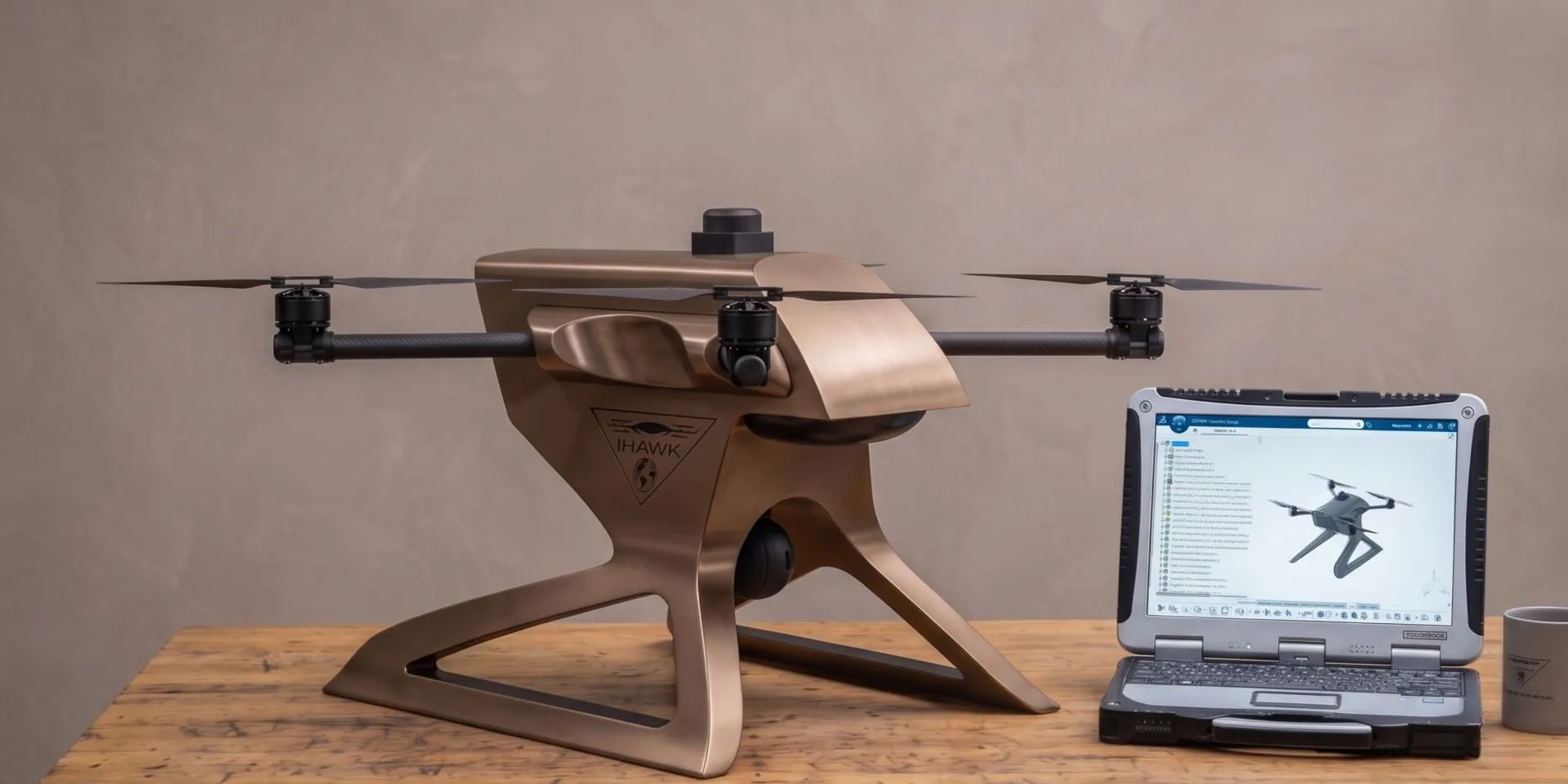
iHawk Global redefines container yard visibility with autonomous drones and ground robots which are designed using a simulation-first approach on the 3DEXPERIENCE platform.
The world moves by container. Global ports handle over 80% of world trade, and rising logistics complexity continues to put pressure on terminal operations. Even when a port uses a terminal operating system, gate automation, optical character recognition and equipment tracking, visibility gaps can remain inside dense container yards, especially when physical container movements and digital records fall out of sync.
Many container terminals are digitized, but not fully automated. Container identity may be captured at gates or handoff points, while yard planning systems may track planned moves. However, the physical reality inside the container yard can still diverge from the system record, particularly in brownfield or semi-automated terminals where manual checks, exception handling and fragmented data flows remain part of daily operations.
For iHawk, the unresolved problem is not simply whether a port has digital systems, but whether it has dependable, real-time yard visibility at the point where containers are stacked, moved and searched.
“While the industry is often fixated on ship sizes and crane speeds, the real bottleneck is container yard productivity,” said Alexis Prakash, principal consultant at Singapore-based intelligent automation startup iHawk Global. “A typical high-performing port handles around 142 container movements per hour, compared to just 42 for lower performers. This 70% gap is ‘the black hole of logistics’.”
iHawk Global aims to create a virtual twin of the container yard that gives a clearer view of container identity and location.
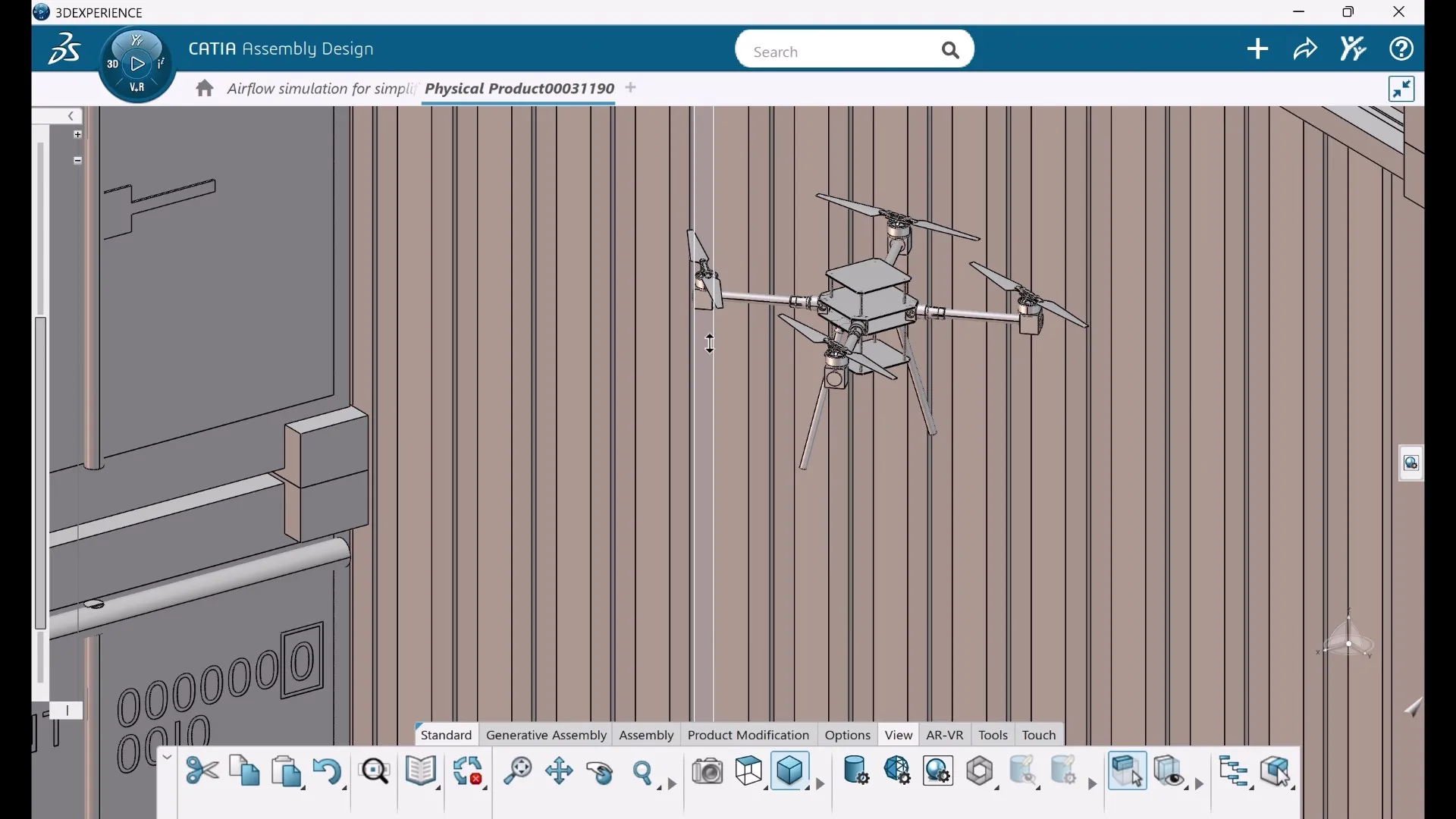
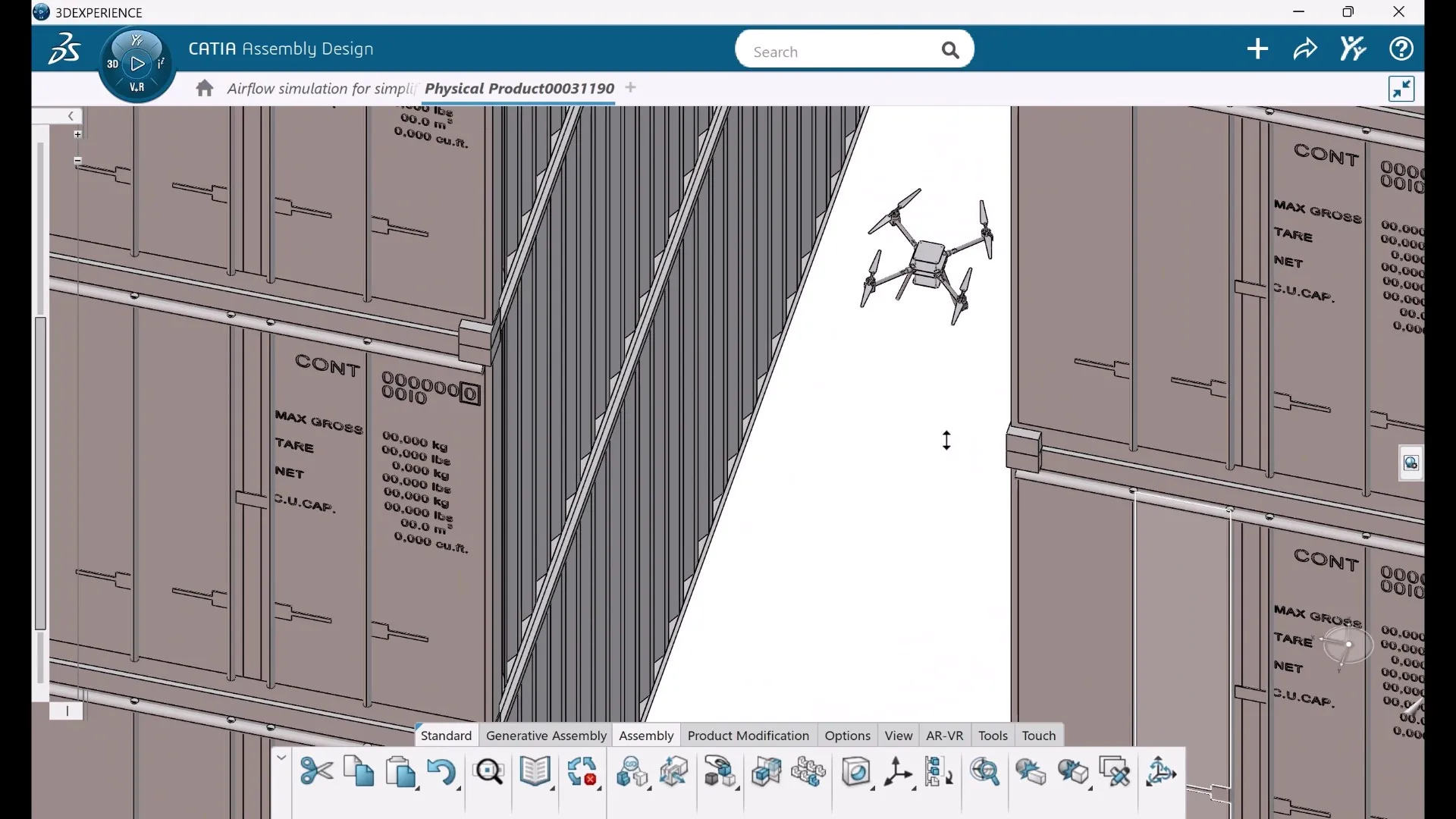
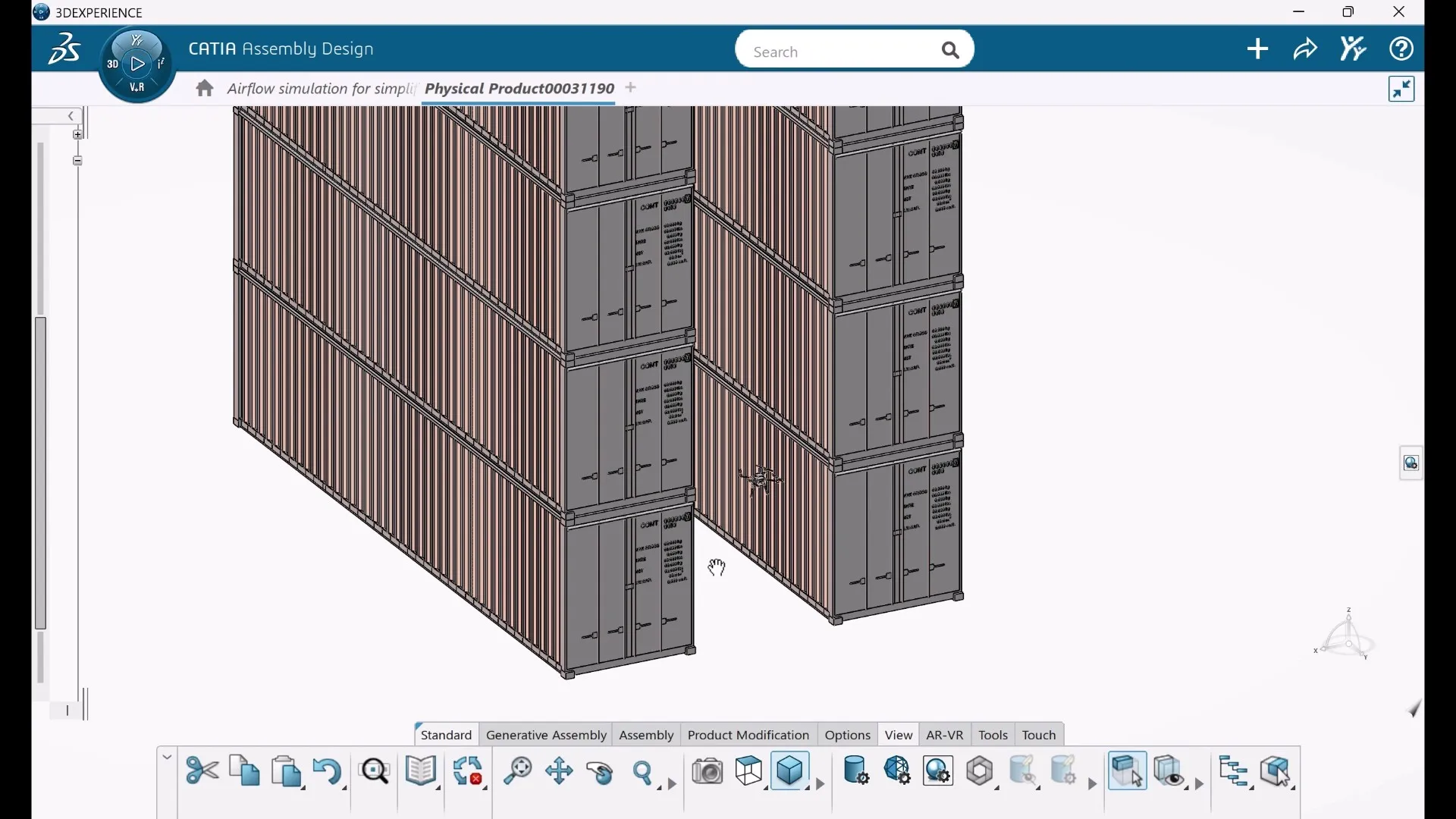
In many ports, containers are stacked several high. Once containers are buried within a stack or moved out of sequence, it can become difficult to verify whether the physical yard still matches the digital record without additional inspection or sensing.
“Losing track of even one container can quickly shift from a small delay into a yard-level disruption,” Prakash said. “If repeated across a busy terminal, these exceptions can ripple through the truck appointments, vessel planning and supply chain execution.”
Solving this remaining visibility gap is central to iHawk’s mission. Its core product concept is a multi-agent autonomous system that combines aerial and ground-based sensing. The drone captures visible container identifiers such as ISO codes and ID markings from above and between stacks, while the ground rover supports precise localization in areas where GPS is unreliable. The resulting data is designed to update a virtual twin of the yard, giving port staff a clearer view of container identity, location, status and movement history, all without manual intervention.
“The solution we are proposing is not just for speed,” Prakash said. “We are making the invisible visible and solving the data blindness that currently costs the industry billions of dollars. We’re doing this using Dassault Systèmes’ 3DEXPERIENCE platform on the cloud.”
Building reliable aerial drones and ground robots capable of real-time container tracking in dense industrial settings is a complex challenge. “There’s a reason why the giants of automation haven’t solved this yet,” Prakash said. “To a computer, the container port environment is a nightmare.”
Container ports – ‘metal canyons’ of stacked steel – create narrow corridors where air can accelerate unpredictably, creating violent Venturi effects (sudden surges in wind speed) that can destabilize traditional drones in seconds. “Wind in a narrow alley – about 1.5 meters between stacked containers – can significantly affect drone flight,” Prakash said. “This was our first physics challenge.”
iHawk’s second challenge was invisible signal interference. GPS signals can reflect off steel walls, creating multipath interference and generating false positioning data. “GPS signals bounce off the walls, creating interference that makes standard autonomous systems fly blind or, in the worst case, they collide,” Prakash said. “It is one of the reasons why highly automated yard operations remain so difficult.”
For a lean startup tackling these engineering challenges from scratch, physical trial and error was not viable. A failure in a real container yard could destroy hardware and set development back months. The team used a mix of digital tools, but a disconnected environment meant that mechanical design, simulation and systems logic were not always connected through a shared model or single source of truth. Limited simulation capability also made it difficult to model airflow and signal behavior in dense steel environments with the fidelity required.
Regulatory validation added further complexity. Securing permission for autonomous operations, particularly beyond visual line of sight, requires structured technical evidence and a robust safety case. Without high fidelity simulation, preparing that evidence would have required more extensive physical testing and documentation effort.
Together, these constraints led iHawk to a clear conclusion: To move faster without increasing physical testing risk, it needed a unified virtual engineering environment.
Having a single integrated environment has changed the way we work.
As a startup, iHawk needed access to advanced engineering capabilities without building a large internal infrastructure. Dassault Systèmes’ 3DEXPERIENCE for Startups offer gave the team access to an enterprise-grade cloud environment that could support mechanical design, simulation, collaboration and data management in one place.
iHawk used multiple capabilities of the 3DEXPERIENCE platform on the cloud. CATIA supported mechanical design of key drone components such as propellers and structural mounts, with this geometry feeding directly into SIMULIA. SIMULIA handled computational fluid dynamics (CFD) and electromagnetic simulation, while ENOVIA was used for collaboration and product data.
“Having a single integrated environment has changed the way we work,” Prakash said. “For the first time, all disciplines can work together from a single source of truth. This has eliminated data silos and created a digital thread across our engineering workflows.”
This integrated environment enabled iHawk to connect design decisions directly with systems and multi-physics simulation. Instead of treating simulation as a late-stage check, the team could use it early on to rationalize and accelerate the simulation of mechanical design alternatives before committing to hardware.
Solving the electromagnetic challenge was one of iHawk’s first priorities. Using SIMULIA, iHawk’s team modeled how different wireless frequencies propagate between the ground rover and drone antenna inside a simulated container canyon, measuring received signal strength across four candidate bands. The results showed that a 2.4 GHz signal delivered the strongest and most consistent signal, performing measurably better than 433 MHz, 5.8 GHz and UWB alternatives in the dense steel environment of a container yard.
“By validating this in SIMULIA, we addressed one of the key technical barriers to reliable operation in a container yard,” Prakash said. “That reliability is essential if ports are to reduce manual checks and move closer to highly automated yard management.”
The aerodynamic challenge was tackled next. SIMULIA’s computational fluid dynamics (CFD) tools allowed iHawk’s engineers to simulate the airflow between container walls, visualize high- and low-pressure zones, and understand how these forces would act on the drone under modeled operating conditions.
“In CFD simulations performed in SIMULIA, we could see high-pressure zones forming on one side and low-pressure zones on the other,” Prakash said. “The low-pressure zone acts like a suction pad. Most off-the-shelf drones would simply be pulled into the container wall and crash.”
iHawk’s engineers validated more than 50 failure scenarios in a single week, including signal loss, motor failure and sudden wind gusts. According to iHawk, building a comparable evidence base through physical testing alone would have required substantially more time, field access and hardware risk.
“We didn’t take a test-and-crash approach in the real world,” Prakash said. “We took the physics to the virtual world first. Compared with the physical prototyping path we had originally planned, we estimate that this saved months of R&D effort and thousands of dollars in hardware costs – equivalent to the cost of losing two complete drones in field testing. In total, we estimate the simulation-first approach cut our materials and resource costs by around 50% and our R&D timeline by about 60% compared to what a conventional development program would have required.”
With these insights available directly within the simulation-first environment, iHawk’s team was able to refine its designs before committing to additional physical prototypes. Flight controller parameters and thrust assumptions could be tested virtually against the demands of a dense container environment, using a model that combined measured power data, documented autopilot behavior and mission scenario analysis.
“Compared to our initial off-the-shelf component baseline under modelled operating conditions, our custom autonomous drone design shows an estimated 10-50% improvement in mission-productive flight time,” Prakash said. “For future port customers, that could translate into significantly higher inspection efficiency and a stronger operational business case.”
Through virtual validation on the 3DEXPERIENCE platform, we want to offer port operators a subscription-based software platform that gives them a real-time virtual twin of their yard.
The high-fidelity outputs from the 3DEXPERIENCE platform have also strengthened iHawk’s regulatory communication. Simulation-based reports helped the team present structured technical evidence to Singapore’s Civil Aviation Authority, supporting the safety case for autonomous operations and reducing the time required to prepare safety documentation by around half.
With core simulation validation complete and regulatory processes underway, iHawk is now transitioning from advanced development to early commercial deployment. Prakash believes this accelerated path to market will enable the company to pivot from a hardware-focused startup to a scalable platform business ahead of the competition.
“Our systems are built to be audit-ready,” Prakash said. “Through virtual validation on the 3DEXPERIENCE platform, we want to offer port operators a subscription-based software platform that gives them a real-time virtual twin of their yard, moving them from guessing to visualizing.”
iHawk operates in a market that is moving steadily toward higher levels of automation and digital integration. Singapore’s new Tuas terminal, for example, when complete, will handle more than 65 million containers per year and is designed to become one of the world’s most automated port facilities. Across Asia-Pacific and beyond, the port of the future will increasingly depend on accurate, real-time data across every layer of the operation. iHawk is positioning its mobile sensing and virtual twin approach as a complementary layer for terminals where existing systems do not yet provide complete yard-level visibility.
“We aren’t just testing concepts,” Prakash concluded. “We are building a scalable autonomous maritime technology platform that can help ports close the last visibility gaps between physical yard operations and digital decision making.”

iHawk Global is a Singapore-based intelligent automation startup developing autonomous systems that help enterprises connect physical assets with digital intelligence. Its work focuses on using autonomous robotics, data science and virtual twin technologies to improve operational visibility, efficiency and safety in complex industrial environments.
For more information: https://iHawkglobal.com
Bridge the gap between the virtual and real world to accelerate from concept to operations.
Industry
To help eliminate the churn and streamline its processes, Fujitsu turned to Dassault Systèmes (3DS) and its high-tech solutions on the 3DEXPERIENCE Platform, custom built for the way high tech companies work. Fujitsu chose ENOVIA Version 6 (V6), the 3DS application for collaborative innovation, on the 3DEXPERIENCE Platform to address requirements, traceability and test. The goal was to improve Fujitsu’s data visibility, eliminate rework, and streamline product development from initial customer requirement to manufacturing.
Customer Story
Aava Mobile uses SIMULIA's CST Studio Suite to simulate and select the best antenna size and shape before manufacturing a physical prototype shortening the design process time.
Customer Story
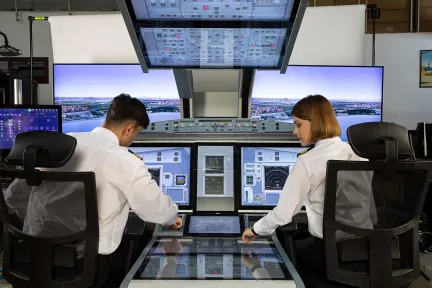
Using the 3DEXPERIENCE platform, high-technology supplier HAVELSAN designs sophisticated products and efficiently masters product change management.
Customer Story
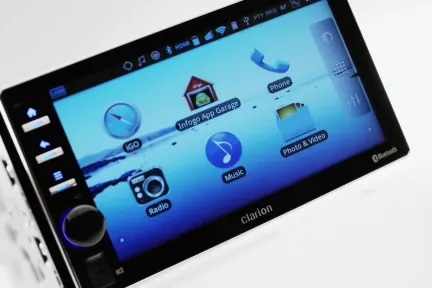
Specializing in automotive cockpit technology, Clarion Malaysia is using the 3DEXPERIENCE platform to bring systems engineering, product lifecycle management, and manufacturing together in one seamless workflow.
Customer Story
V-ZUG chose Dassault Systèmes’ 3DEXPERIENCE platform to manage its product development process in one single environment and to ensure data consistency from specifications through to production.
Customer Story
As part of their digitalization strategy, Miele wants to improve their product life cycle management by adopting the 3DEXPERIENCE platform. With this central anchor point for all information, mastering complexity of their products becomes easier.
Customer Story
Japanese electric equipment and devices manufacturer Alps Alpine adopted the 3DEXPERIENCE platform and its industry solution experience Accelerated Device to integrate its diverse engineering teams, starting with its mechanical design business processes.
Customer Story
The Antenna Company uses SOLIDWORKS and SIMULIA to develop high-performance antenna design for 6G networks using nature-inspired, energy-efficient shapes.
Customer Story
The Automotive Technology Division is the largest entity within the Bosch Group. As one of the world’s leading suppliers to the automotive industry, Bosch delivers a broad spectrum of products and services. Products: Components and systems for gasoline, diesel, hybrid and electric powertrains, systems for active and passive vehicle safety, automotive electrics and electronics, and mobile communication Revenue: €31.1 billion in 2012 Employees: 167,000 Headquarters: Stuttgart, Germany
Customer Story