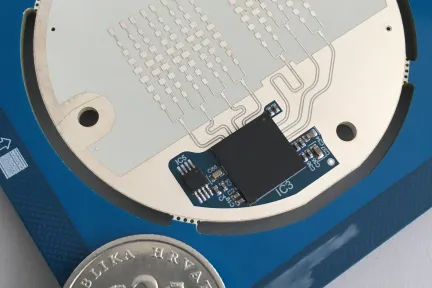
The Antenna Company
Through nature-inspired geometries and integrated workflows, The Antenna Company develops high-performance, compact and energy-efficient antennas for next-generation wireless networks.
Antenna Design and the Future of 6G Networks
Most people might not associate antenna innovation with something as personal as caring for an elderly parent or grandparent. Yet that is exactly where the next generation of wireless technology is heading. Emerging contactless medical monitoring devices are being developed to sense their surroundings, scanning rooms, detecting motion, tracking a person’s location and transmitting status updates in real time. By identifying falls, prolonged inactivity or subtle changes in daily routines without relying on cameras, wearables or intrusive monitoring, these systems point to a new model of proactive care.
Capabilities like this are made possible by advances in joint communication and sensing. This is a fundamental building block of future 6G networks, which, in future, will enable wireless systems to transmit data, perceive and interpret their environment. Within this space, The Antenna Company is pushing antenna hardware – the physical structures that transmit and receive radio electromagnetic waves – to new levels of performance.
Based in the Netherlands, The Antenna Company develops geometry-based antennas for next-generation wireless applications. Its engineering teams work with customers around the world, including network equipment providers and device manufacturers that rely on its patented antennas to deliver high efficiency, compact form factors and precise signal control. These solutions support demanding use cases across healthcare, industrial automation and advanced mobility.
“Our mission is to deliver high-performance antenna solutions mainly for consumer markets, covering fixed wireless access, Wi-Fi infrastructure, cellular broadband, customer premises (CP) devices, Internet of Things (IoT) and smart metering solutions,” said Diego Caratelli, co-founder, CTO and vice president of engineering at The Antenna Company. “We’re also leading research and development (R&D) in antenna array technologies, mainly for 5G and 6G applications, including joint communication and sensing as well as satellite communications. The goal is to offer best-in-class user experiences through our antenna systems, which can outperform conventional designs.”
Nature-Inspired Designs for High Performance and Efficiency
High-performance antennas for emerging 5G and 6G applications strike a careful balance between ambitious radio frequency (RF) targets and real-world constraints. Engineers must combine efficiency, compactness, and carefully engineered radiation patterns in designs that can still be manufactured at scale and easily integrated into end products.
When RF signals operate at high frequencies, small geometric changes can have a significant effect on performance. The Antenna Company stands out in this area for its nature-inspired design philosophy. Rather than developing conventional patch or dipole antennas, the team looks to shells, flowers, plants and other natural forms to create their SuperShape® antennas.
The underlying geometry of these designs comes from the Gielis Superformula, a breakthrough mathematical equation developed by co-founder Johan Gielis. This single formula, a generalization of circles and the Pythagoras theorem, can be used to describe a vast range of complex biological shapes. Dassault Systèmes SOLIDWORKS then converts these abstract geometries into precise 3D models ready for manufacturing.
“Nature-inspired designs involve complex surfaces, which can be challenging to model,” Caratelli said. “SOLIDWORKS provides robust parametric surfacing tools that allow us to define the parameterization formula needed for specific classes of antennas and generate 3D models of complex shapes. SOLIDWORKS also supports tooling, adding draft angles, ribs and other features to satisfy customer requirements.”
The solution provides engineers with a broad and flexible design space to explore, particularly as devices shrink and performance requirements become increasingly demanding. The company’s patented SuperShape® designs demonstrate measurable gains in efficiency and compactness when benchmarked against conventional antennas.
“We use CST Studio Suite to simultaneously optimize antenna geometry and materials to enhance bandwidth and efficiency, and to synthesize targeted radiation patterns, while SOLIDWORKS keeps the geometry parametric and manufacturable, helping make the antenna structure more compact,” Caratelli said. “Less power dissipation means the transmitter doesn’t need to supply as much energy to achieve the desired radiated output. A conventional millimeter-wave array with 50% efficiency might require 2X watts to radiate X watts, whereas an 80% efficient antenna like ours only requires about 1.25X watts, roughly a 37.5% reduction in the input power needed for the same radiated output.”
SIMULIA’s CST Studio Suite solvers capture all nuances effectively so we can model mutual coupling and scan performance in realistic scenarios. Combining electromagnetic and structural simulations lets us understand how mechanical changes affect antenna performance.

Concurrent Mechanical and Electromagnetic Simulation
The Antenna Company relies on a tightly coupled modeling and simulation workflow, between SOLIDWORKS and SIMULIA to test and verify mechanical strength, electromagnetic (EM) performance and thermal management along the development cycle from early stages.
For structural integrity, engineers use SOLIDWORKS simulation capabilities to evaluate whether designs will withstand real-world conditions like shock, vibration, wind and deformation. “For example, we can simulate mechanical strain on antenna structures like machined shoulder features and mounting interfaces, which are potential weak spots under load,” Caratelli said. “This gives us confidence that the product meets customer specifications before real-world testing, saving time and resources in prototyping and manufacturing.”
In parallel, SIMULIA’s CST Studio Suite models the electromagnetic behavior of the full antenna system to predict performance under real operating conditions. “SIMULIA’s CST Studio Suite solvers capture all nuances effectively so we can model mutual coupling and scan performance in realistic scenarios,” Caratelli said. “Combining electromagnetic and structural simulations lets us understand how mechanical changes affect antenna performance.”
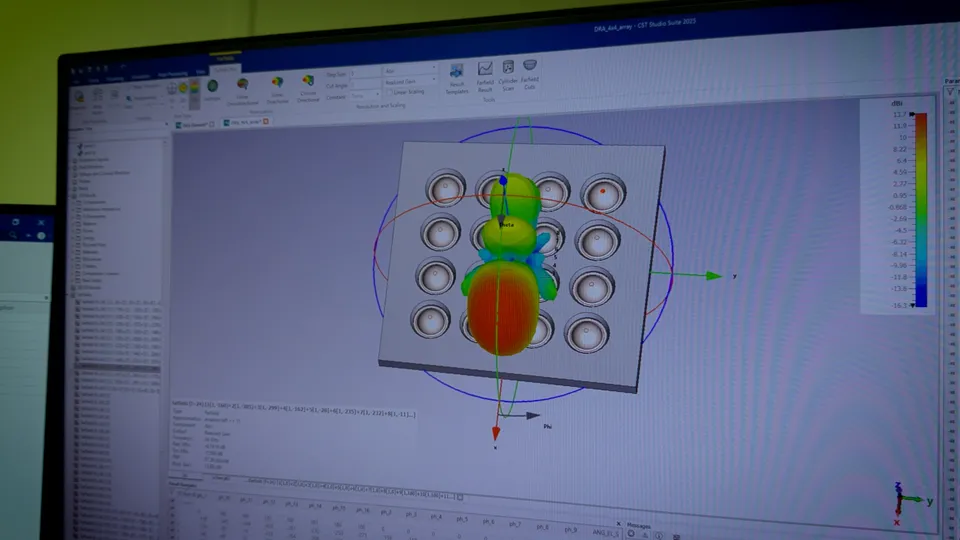
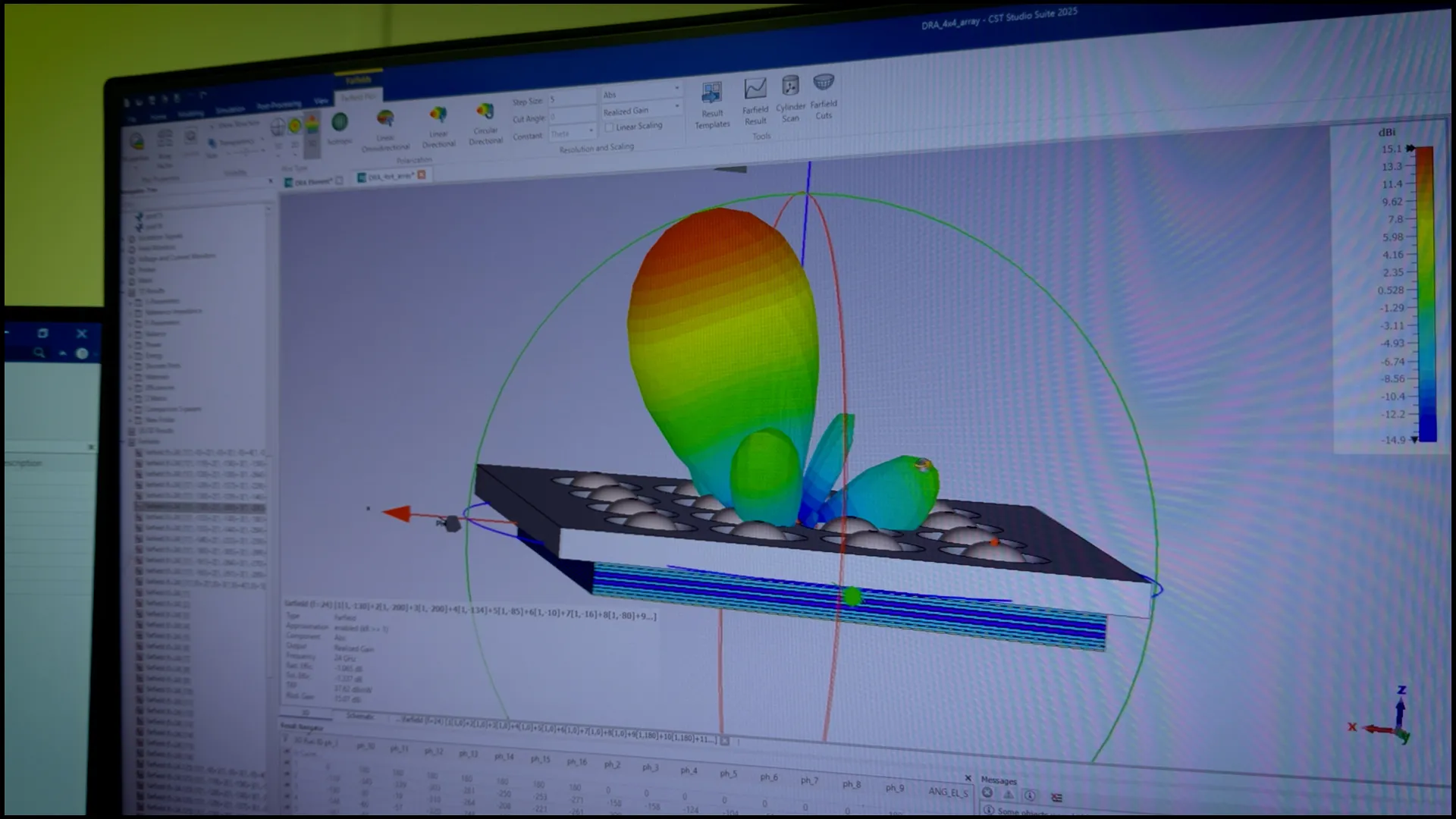
One example is a millimeter-wave antenna array capable of reaching devices at angles up to 70 degrees from its main direction. The design integrates a complex RF feed network, densely packed antennas and a metal frame that doubles as a heat sink. SIMULIA simulations revealed hotspots at array edges under extreme angles. The mechanical team refined the frame to improve performance while ensuring it could still be manufactured.
“The result was an antenna module with improved scan range and thermal performance,” Caratelli said. “Thermal resistance was reduced about eightfold compared to conventional patch arrays.”
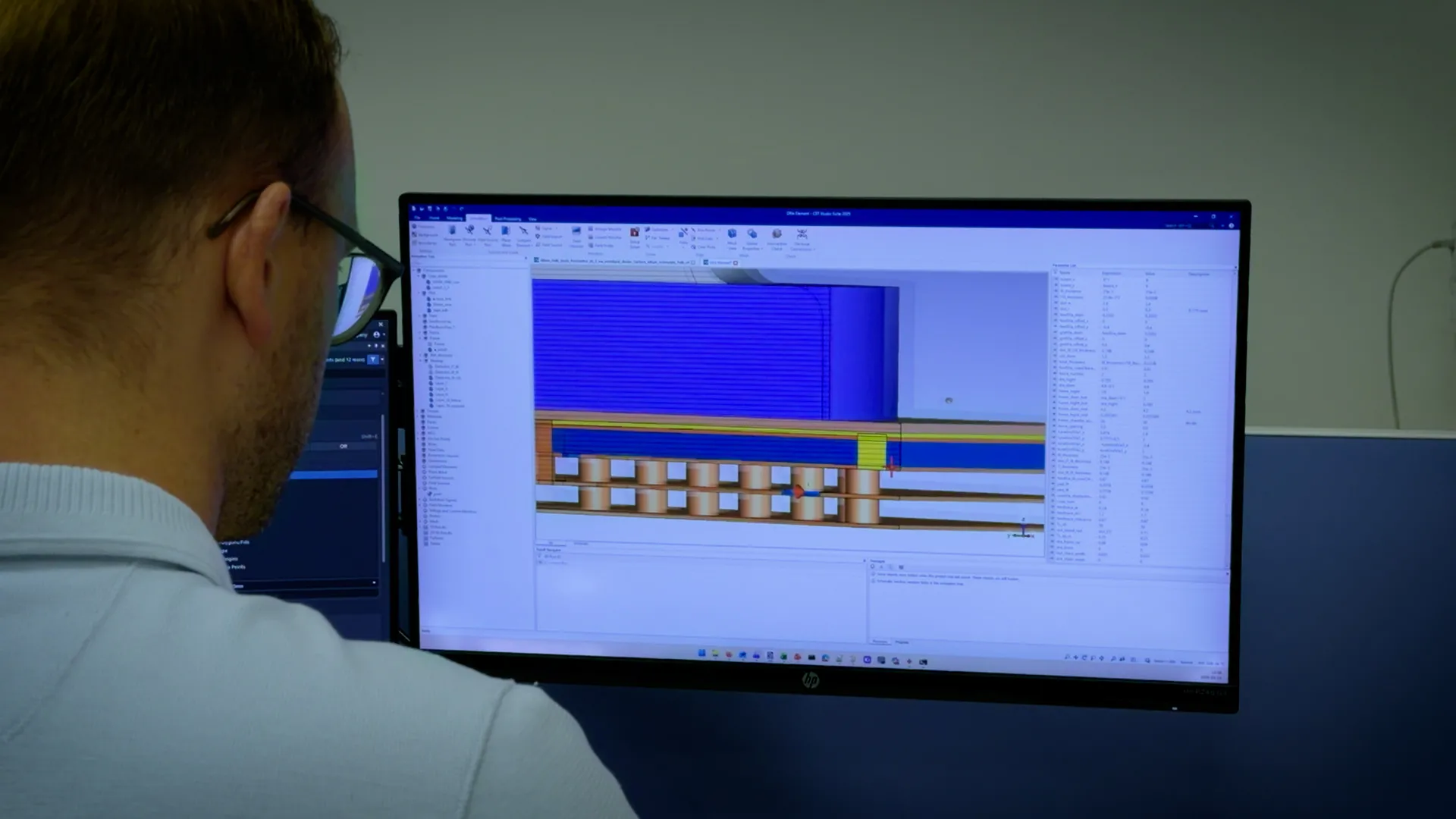
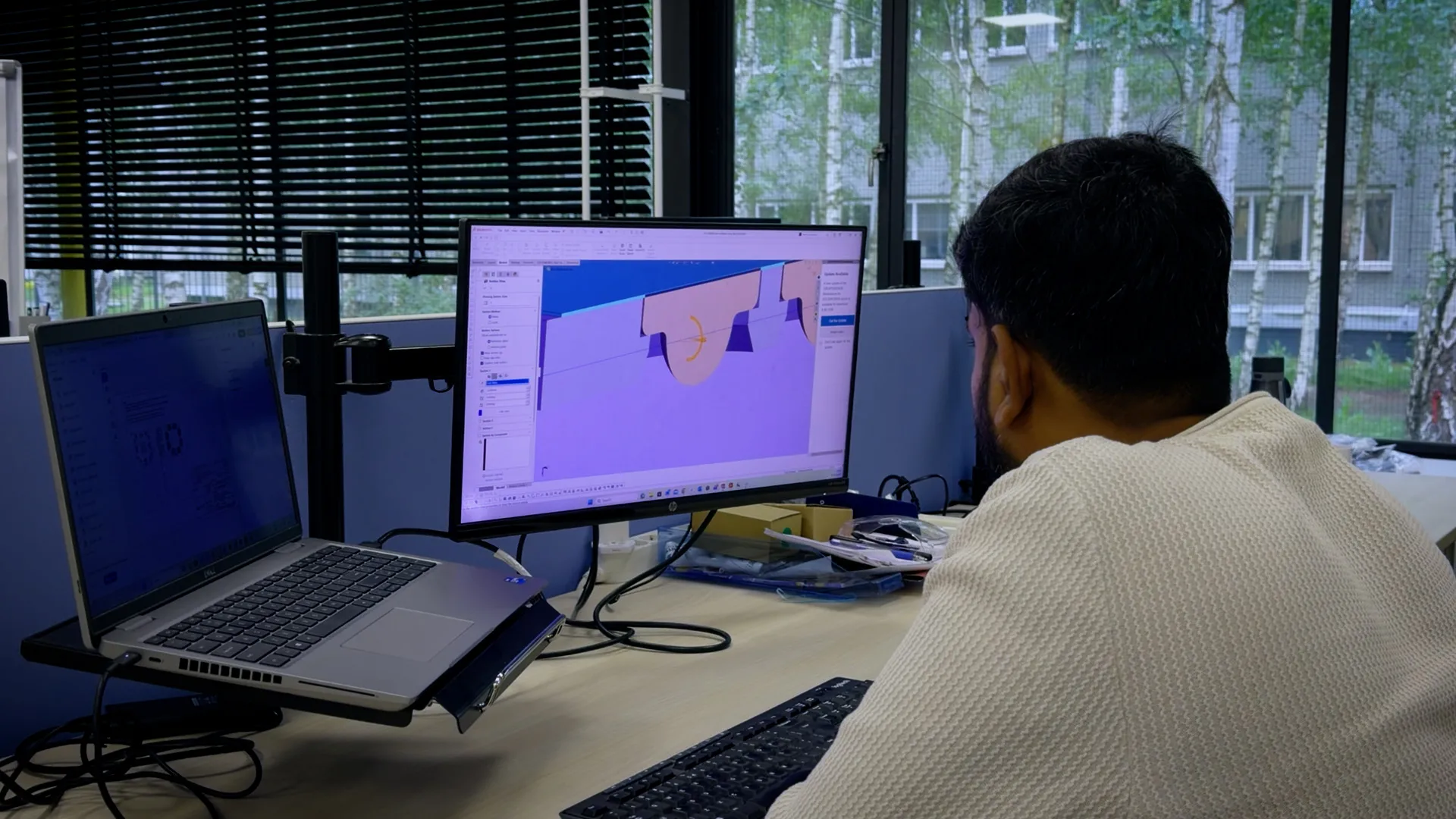
Engineers at The Antenna Company design and simulate antenna performance using SOLIDWORKS and SIMULIA to optimize geometry, RF behavior and structural performance in a fully digital workflow.
Integrated Workflows for Faster Validation and Less Material Waste
The Antenna Company’s integrated workflow allows it to explore material choices early, when design decisions have the biggest impact and the lowest cost. Rather than treating materials, structure and RF behavior as separate steps, engineers evaluate them together so trade-offs are understood before anything is built.
This approach is especially valuable when exploring alternative materials. For example, replacing aluminum frames with high-temperature polymers can help to reduce weight, but might also affect the structure, thermal behavior and electromagnetic response. Integrated workflows allow the team to assess all of these factors in one continuous loop.
“When we evaluate high-temperature polymers, we assign both their mechanical and electrical properties directly in SOLIDWORKS,“ Caratelli said. “Structural simulations evaluate strength and vibration, while SIMULIA CST Studio Suite predicts any detuning or EM effects that could compromise performance. Because geometry, materials and electromagnetics are evaluated together, we can see immediately how a change in one area affects the others and iterate toward the best overall solution.”
By resolving these interactions through simulation, the team avoids costly trial-and-error later in development. Designs enter prototyping already optimized for strength, RF performance and manufacturability, which reduces rework, scrapped parts and unnecessary material use.
“By validating designs more effectively during the simulation phase, before we build hardware, we've reduced waste by roughly 20 to 30% across the entire development cycle,” Caratelli said. “The resulting products typically require less material per unit, making our overall process leaner and more efficient.”
By validating designs more effectively during the simulation phase, before we build hardware, we've reduced waste by roughly 20 to 30% across the entire development cycle. The resulting products typically require less material per unit, making our overall process leaner and more efficient.
A Culture of Continuous Innovation and R&D
Antenna engineering for 6G is evolving rapidly and The Antenna Company invests heavily in staying ahead of the curve. Its R&D programs explore cutting-edge technologies like metasurface-based antennas, smart reconfigurable surfaces, beamforming solutions, advanced materials such as high-permittivity ceramics and 3D-printed components, as well as advanced packaging including antenna-on-chip and multi-chip modules.
These efforts build on more than a decade of engineering expertise and long-standing use of Dassault Systèmes solutions like SOLIDWORKS and SIMULIA.
“We adopted both solutions from the beginning,” Caratelli said. “Most of our engineers were already familiar with them, and because they’re widely used in universities and research centers, new engineers arrive with hands-on experience, which makes ramp-up much easier.”
Collaboration is also a key part of the company’s culture. Working closely with Dassault Systèmes’ business partner HITECH RF & Microwave Solutions, The Antenna Company takes advantage of training, workflow support and expert guidance to get the most value from SIMULIA CST Studio Suite.
“HITECH is a critical partner,” Caratelli said. “They help us get the most out of simulation and optimize our workflows, providing best practices and bridging with Dassault Systèmes on technical and commercial matters. They act as an extension of our team.”
Looking ahead, the company is advancing antenna performance for highly energy-efficient, sensing-driven 6G networks. One major focus is the Future Network Services 6G initiative in the Netherlands, a national program bringing together industry leaders, research institutions and technology partners. The goal is to create a strong domestic ecosystem for 6G research and industrial capability, preparing the Netherlands and the broader global industry for the next generation of wireless technology.
“We remain open-minded about new solutions and continue to invest in R&D,” Caratelli concluded. “By staying up to date with emerging tools, methods and materials, we aim to lead the transition to 6G and beyond.”

Focus on The Antenna Company
The Antenna Company was founded to commercialize a new, innovative, geometry-based antenna technology. This new way of shaping and building antennas has enormous potential for wireless systems operating in the sub-GHz to mm-wave frequency range. At the heart of its breakthrough technology is a combination of patented innovations that integrate advanced materials, RF system know-how and SuperShape® design principles to realize high performance 2D and 3D antennas. The company’s patented technology results in clearly differentiated performance over conventional antenna solutions in the market.
For more information: www.antennacompany.com

Focus on HITECH RF & Microwave Solutions
Founded in 1981, HITECH has been serving the RF and microwave market in Europe for more than four decades. The company provides a full range of RF and microwave solutions across four core areas: components, design software, test and measurement, and services. HITECH combines high-quality standard and custom RF components, radar sensors and antennas with state-of-the-art test and measurement equipment and advanced electronic design automation software. Backed by deep expertise in RF and microwave engineering, HITECH’s engineers work closely with customers to provide technical guidance and support, helping them address complex design and validation challenges with confidence.
For more information: https://hitechbv.nl
Aava Mobile
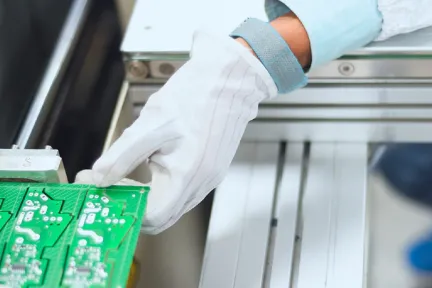
Aava Mobile uses SIMULIA's CST Studio Suite to simulate and select the best antenna size and shape before manufacturing a physical prototype shortening the design process time.
Customer Story

Convergentia
Simulation with CST Studio Suite, a SIMULIA simulation tool, made it possible for designs to be examined without the cost of constructing a prototype, and field visualization allows resonant components to be identified by eye
Customer Story
Fuji Xerox
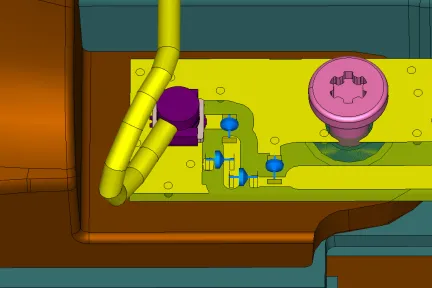
By allowing some measurements to be replaced by simulation, CST Studio Suite reduced the number of physical prototypes needed, shortening the design process. With simulation, Fuji Xerox engineers were able to predict EMC problems before constructing the prototype and identify the mechanism behind any that did arise, making them easier to mitigate.
Customer Story
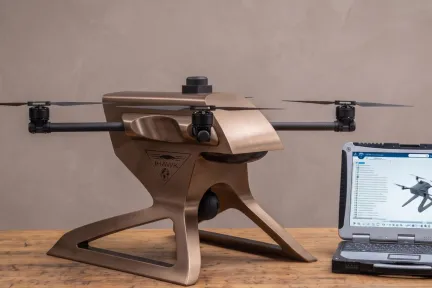
iHawk Global
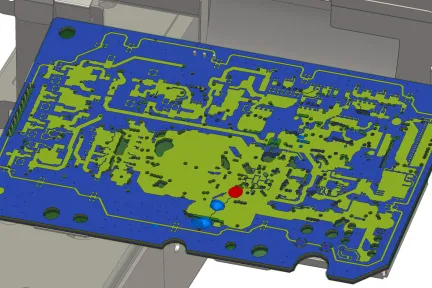
iHawk Global redefines container yard visibility with autonomous drones and ground robots which are designed using a simulation-first approach on the 3DEXPERIENCE platform.
Customer Story
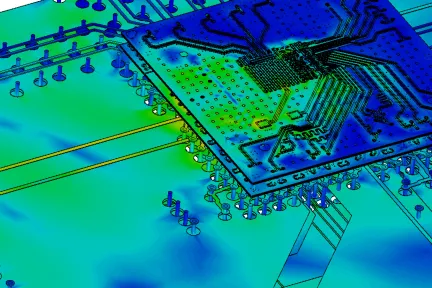
eASIC
By using CST Studio Suite and partitioning the model, eASIC was able to achieve up to five-fold speed-up in its multi-level PCB and package simulations, when compared with simulation using the full model. This gave eASIC a significant speed advantage and helped them to shorten the design process.
Customer Story
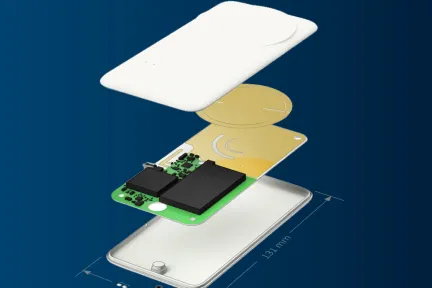
Drayson
A dual-band, high-gain antenna needed to be integrated into an Internet of Things sensor network, while making sure that the antenna is compact enough to fit into the device.
Customer Story
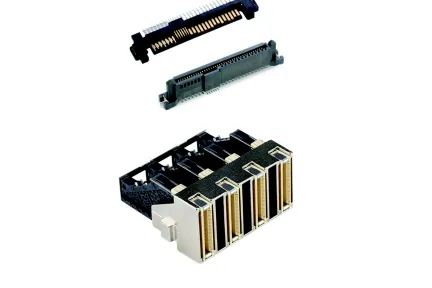
Amphenol
The company designs, manufactures, and markets electrical, electronic and fiber optic connectors, coaxial and flat-ribbon cable, and interconnect systems.
Customer Story

Geolux
Geolux is a high-tech company that develops and produces radar sensors for hydrology, security and industrial applications.
Customer Story