



Simulation for Defense | Dassault Systèmes
Watch our specialized webinar series that delivers the latest innovations and a valuable opportunity to engage directly with industry experts.
E-seminar

On demand
Discover how Certification by Analysis reduces costs, shortens timelines and lowers risk in aerospace engineering.
Aircraft certification is one of the most demanding, costly and time-critical phases in aerospace development. As aircraft systems grow in complexity, traditional, test-heavy approaches are increasingly constrained. While the A&D industry has long leveraged simulation and its capabilities have advanced significantly, its full potential in certification remains underutilized due to siloed processes, limited traceability and lack of governance.
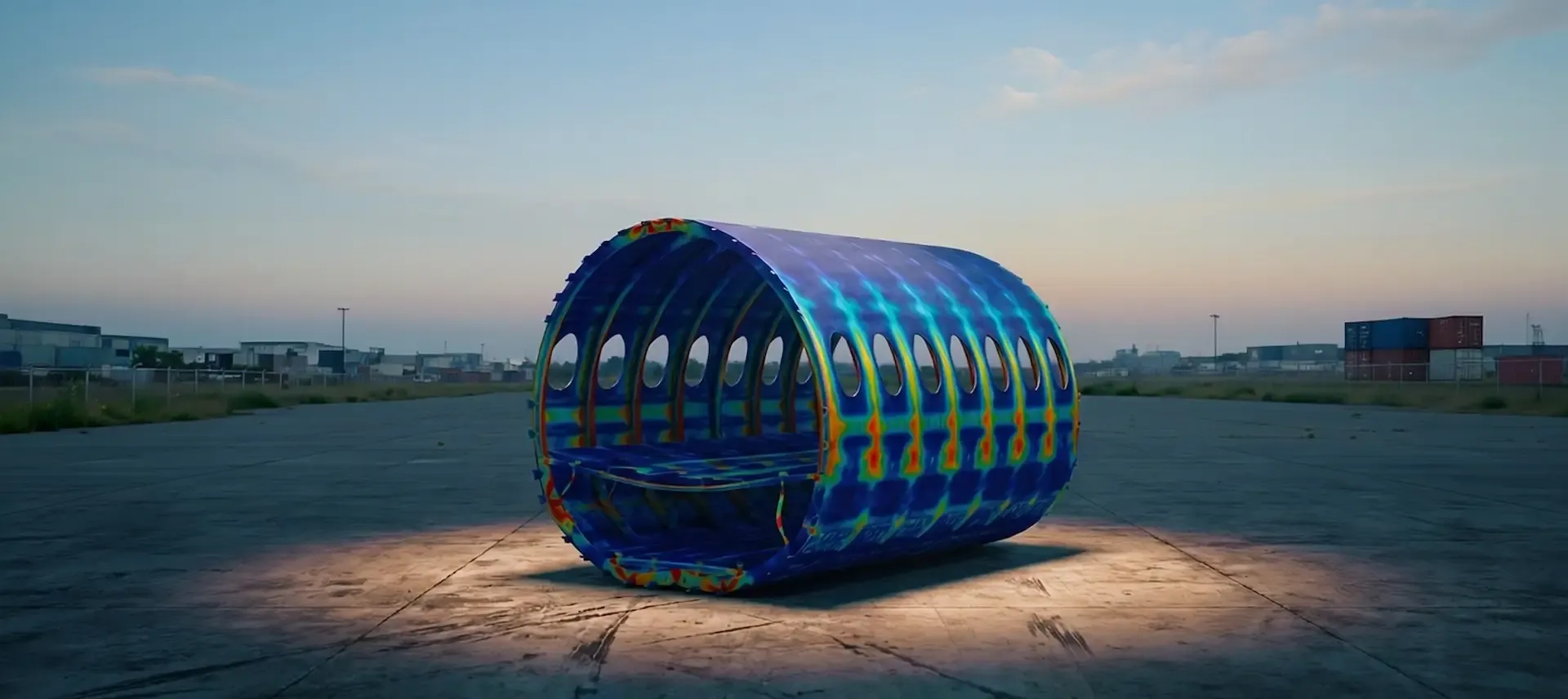
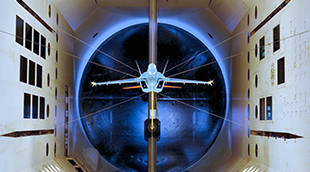
Certification by Analysis (CbA) introduces a transformative shift from a purely test-centric, physical model to a hybrid testing strategy in which high-fidelity simulation plays a central role in demonstrating compliance.
Explore the full roadmap to Certification by Analysis and smarter testing.
Building credibility in simulation and smarter testing for aircraft certification.
CbA transforms certification by shifting from a purely physical test pyramid to a hybrid testing approach:
Smarter testing connects virtual and physical testing into a unified workflow, enabling:
By adopting CbA and smarter testing, aerospace manufacturers can:
Minimize costly late-stage failures by validating performance earlier with simulation.
Resolve issues sooner and avoid delays tied to prototype availability and test scheduling.
Reduce dependence on expensive physical tests and avoid rework.
Evaluate multiple configurations virtually without building physical prototypes.
Provide transparent, traceable and validated simulation evidence aligned with regulatory expectations.
Leverage high-performance computing to handle complex, large-scale simulations efficiently.
Watch our specialized webinar series that delivers the latest innovations and a valuable opportunity to engage directly with industry experts.
E-seminar
Connect design and simulation for superior performance without compromise on safety.
Article
Achieving quieter flight for commercial, defense and advanced air mobility.
EBooks
Accelerate Antenna Design, Placement, and Interference Mitigation
EBooks
Ensure Safety and Meet Certification Requirements Through Simulation
White Papers
In this whitepaper, learn how SIMULIA simulation solutions can be used to help aircraft engineers meet strict certification requirements.
Resource Center


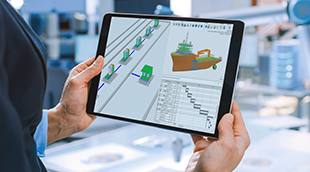



Win more business by transforming concept design process into a competitive advantage
Solution
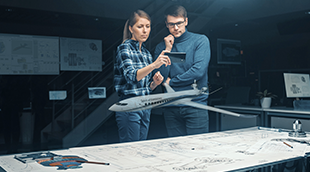
Optimize manufacturing planning to accelerate ramp-up and enhance production agility
Solution