Surface modeling and solid modeling are two different approaches used in computer-aided design (CAD) and 3D modeling to represent objects and geometries.
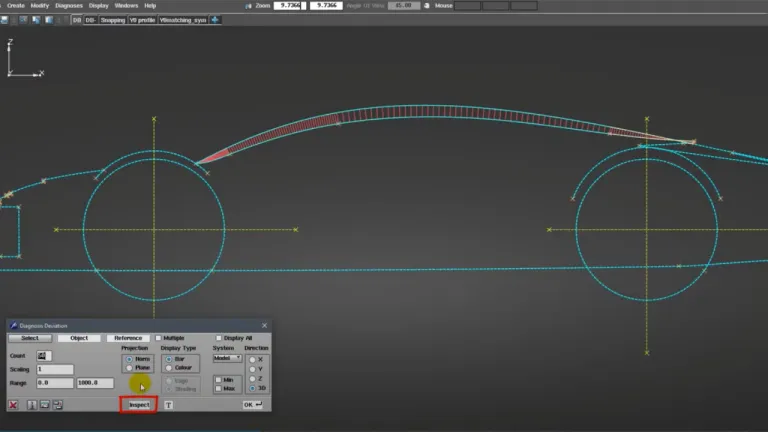
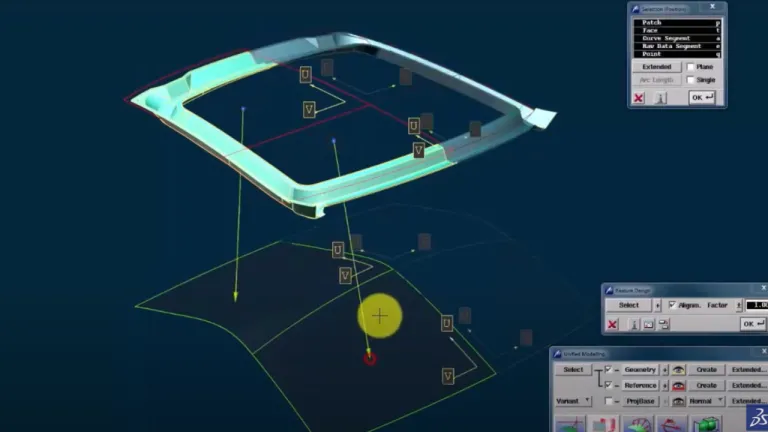
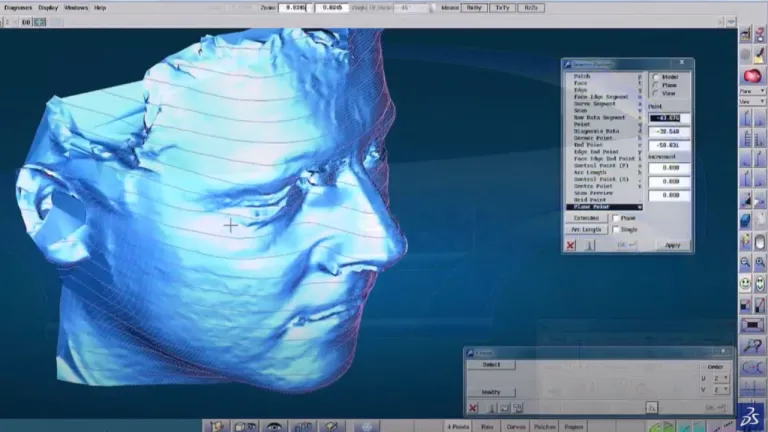
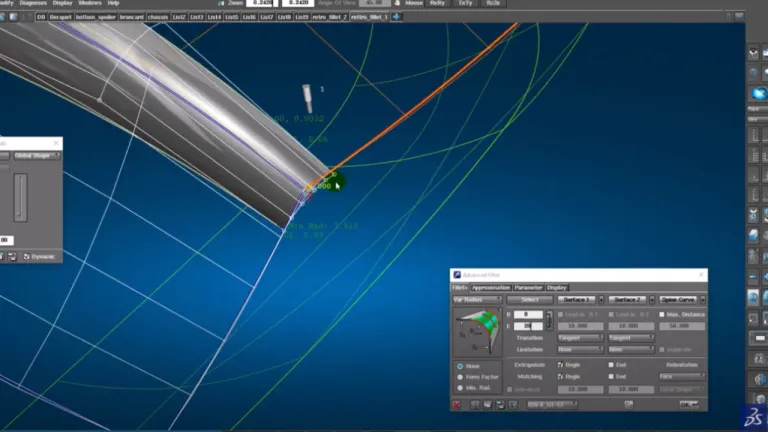
It focuses on representing objects primarily through their external surfaces, defined by mathematical equations or interconnected patches and curves, and it's commonly employed in fields like automotive and aerospace engineering where precise surface control is vital, offering lighter file sizes compared to solid models, thus ideal for performance-sensitive applications. While, involves representing objects using interconnected geometric shapes to define their volume or solid shape, making it useful for designing various objects such as:
- mechanical parts,
- architectural structures,
- and more.
Solid models have specific properties like mass, density, and inertia, which are important for understanding their physical characteristics. This approach allows for operations such as combining or modifying solid objects using Boolean operations, providing flexibility in the design process.