












In New Drive for Growth, UK Grocer Asda Selects Dassault Systèmes’ Planning and Optimization Solutions to Transform its Transport Operations
Press Release
September 23, 2022
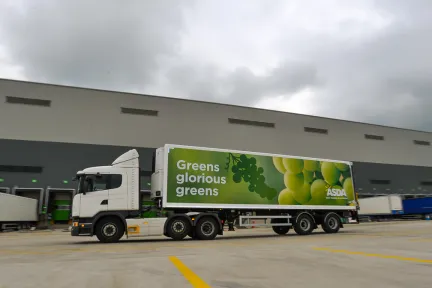
Optimize logistics operations to fulfill consumer demand at lower costs while meeting delivery preferences and sustainability KPIs
With the 3DEXPERIENCE® platform, Dassault Systèmes empowers general retailers (companies that focus on providing convenience to consumers typically in grocery, mass merchandiser, drug store or club store formats) to optimize their logistics networks, streamline operations and increase agility in an evolving consumer landscape.
Unify visibility and planning across the entire retail logistics ecosystem.
Use advanced algorithms to simulate, plan and optimize transportation, delivery and store replenishment.
Prepare for market shifts and disruptions with what-if modeling and adaptive planning.
Seasonal spikes, promotions and shifting consumer preferences often lead to mismatches between forecasted and actual demand. This results in stockouts, increased waste and unnecessary operational expenses.
At the same time, inventory and shipment data are dispersed across online and offline systems, reducing visibility and making it difficult to synchronize operations across warehouses, stores and distribution centers. These challenges are compounded by high transportation and last-mile costs, which remain the most expensive and unpredictable part of fulfillment. Omnichannel operations — such as in-store pickup and same-day delivery — must also be coordinated with multiple logistics partners in the face of infrastructure constraints and inconsistent service levels.
Retailers often struggle with inaccurate, incomplete or siloed data across different systems. This lack of a unified, high-quality data foundation makes reliable forecasting impossible. These silos lead to incomplete or outdated datasets that undermine forecast accuracy. Demand volatility (referring to sudden changes in consumer preferences, seasonal spikes or disruptions) makes historical data unreliable and difficult to model accurately without real-time inputs.
However, building and maintaining predictive models requires advanced data science skills and infrastructure that many retailers lack. These models must adapt across regions and product types while handling thousands of SKUs. High implementation costs and resistance to replacing traditional planning processes often delay adoption, limiting the full value of predictive analytics.
Shoppers now expect a consistent retail experience whether they engage online, in-store or via mobile. Discrepancies among channels erode trust. For example, when an item is in stock online but unavailable at the local store. Failing to provide this unified experience, such as showing inconsistent pricing or stock levels across channels, leads to customer frustration and loss of loyalty.
On the fulfillment side, offerings like in-store pickups of online purchases, same-day or next-day delivery, and hassle-free returns add operational complexity. Using physical stores as fulfillment centers also risks disrupting the in-store experience if not managed carefully. This adds complexity to real-time inventory visibility across stores, warehouses and digital platforms.
General retailers face significant challenges when it comes to sustainability because the vast majority of their carbon footprint stems from Scope 3 emissions (emissions that occur primarily in the extended supply chain and outside their direct control). The global and complex nature of these networks makes it challenging to achieve traceability and verify eco-efficient practices such as the ethical sourcing of materials or the use of renewable energy.
At the same time, the higher procurement cost of sustainable materials and limited availability of green infrastructure — such as electric vehicle (EV) charging networks for last-mile delivery — can create a competitive disadvantage if not strategically managed. Investing in green technology (such as EVs, renewable energy and more efficient warehouses) requires higher capital. Regulatory requirements differ by country or region, and there’s often no standardization for sustainability metrics.
Challenges in workforce planning and scheduling stem from ever-shifting demand, legal constraints and workforce expectations. For example, demand variability makes it hard to predict precisely how many staff are needed. Overstaffing will waste labor costs while understaffing risks harming customer service and sales. Retailers also struggle with manual scheduling tools, which can’t dynamically adapt when foot traffic or sales spike unexpectedly.
Complications related to employee availability, turnover and regulatory compliance add more layers of complexity. Retailers usually rely heavily on part-time, student or seasonal workers, each with varying scheduling constraints. High turnover means frequent hiring and training, disrupting scheduling continuity. They must also deal with regulations around work hours, overtime, breaks and fair work weeks, which add legal risk. Unpredictable last-minute absences force managers to scramble for replacements or accept coverage gaps.
Streamline planning, warehousing and delivery operations with end-to-end visibility.
Meet availability promises and improve store-level accuracy with demand-driven planning.
Reduce logistics costs and carbon footprint through smarter transport and delivery flows.
Enhance employee satisfaction and performance with AI-driven workforce allocation.
Quickly adapt to demand, supplier changes or disruptions with resilient planning.
Ensure the right product locations in the warehouse to drive efficiency and accelerate loading times.
Press Release
September 23, 2022
Dot Foods implemented DELMIA Quintiq as a comprehensive planning solution to optimize its route planning, truck loading and warehouse operations.
Customer Story
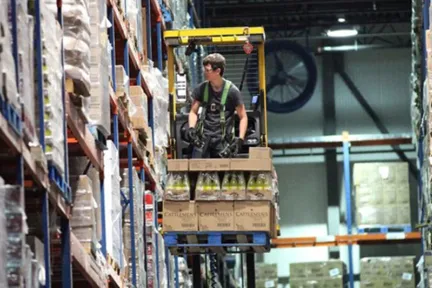
Thrive on an evolving supply chain using our proven logistics optimization software.
Optimize Logistics and Manage Your Workforce with DELMIA
Go green with an optimized supply chain that enables you to reduce waste and continuously improve efficiency at every step
Find below the process to download the Dassault Systèmes DELMIA Quintiq 2025 solution.
Welcome to Dassault Systèmes' Resource Center dedicated to Consumer Packaged Goods & Retail industry. Explore our latest publications about our customers and solutions.