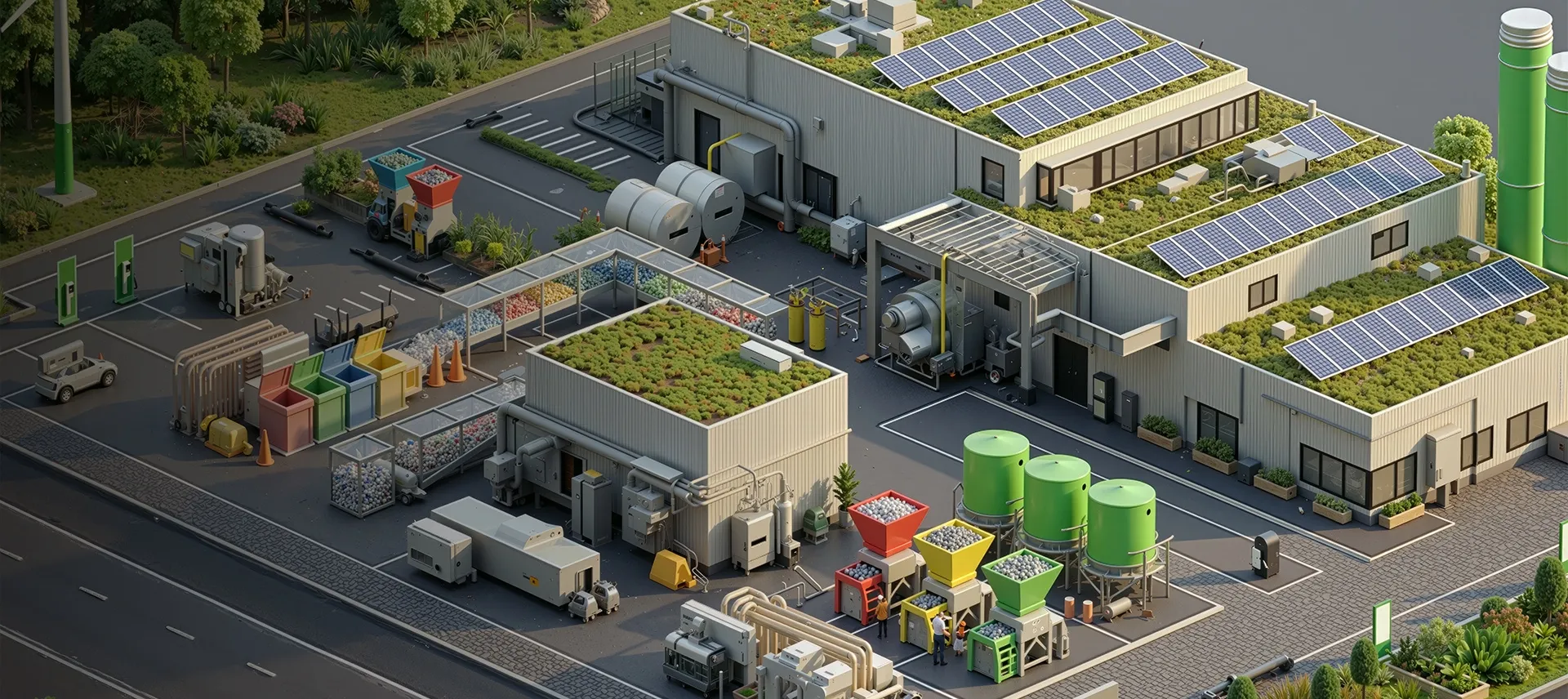
Circular Plastics Economy
A closer look at how circular plastics can accelerate innovation and drive a more sustainable future without compromising the bottom line.
Rethinking Plastics for a Circular Economy
Plastic has become one of the most complex sustainability challenges of our time. It’s a prime representation of the linear economy, where finite resources are extracted to make products that are not used to their maximum potential before being discarded. Plastic’s versatility has made it essential across industries:
- In life sciences and healthcare, plastic prevents contamination and is used for sterile syringes, IV bags, packaging and medical devices
- In automotive manufacturing, lightweight plastic components improve fuel efficiency and reduce vehicle costs
- In consumer packaged goods and retail, plastic packaging keeps products fresh, extends shelf life and reduces waste
Industries must now reckon with the plastic paradox — recognizing both the integral role of plastics across many industries and the long-term environmental degradation caused by their widespread use. This paradox has raised environmental concerns, becoming a major sustainability challenge amidst the global transition toward a circular economy
The Environmental Impact of Plastic Pollution
- 3.4%
of global greenhouse gas (GHG) emissions are generated by the plastics industry1
- Only 9%
of plastics produced worldwide are currently being recycled1
- Up to 1.2 billion metric tons
of fossil CO2 is bound in plastic annually2
- Over 400 million tons
of plastic waste are produced every year3
Key Challenges of Plastic Circularity
- Composition Complexity
- Premium on Recycled Plastic
- Complex Infrastructure
- Regulatory Inconsistency
- Changing Mindsets
- Collective Action
Over 16,000 chemicals are being used to manufacture plastics across multiple industries.4 This results in hundreds of plastic types that differ in chemical composition, properties and applications. Modern plastic packaging also uses multi-layer films, adhesives and mixed polymers that make them difficult to separate, adding an additional layer of complexity to recyclability and reusability. Many of these plastics may have distinct value chains, making it challenging to develop strategies around decarbonization and circularity.
Traceability plays a big part in the circular economy. When it comes to plastics, tracking plastic products through every stage of their lifecycle — from raw material extraction to production, manufacturing, use and recycling — builds transparency, credibility and accountability throughout the plastic value chain.
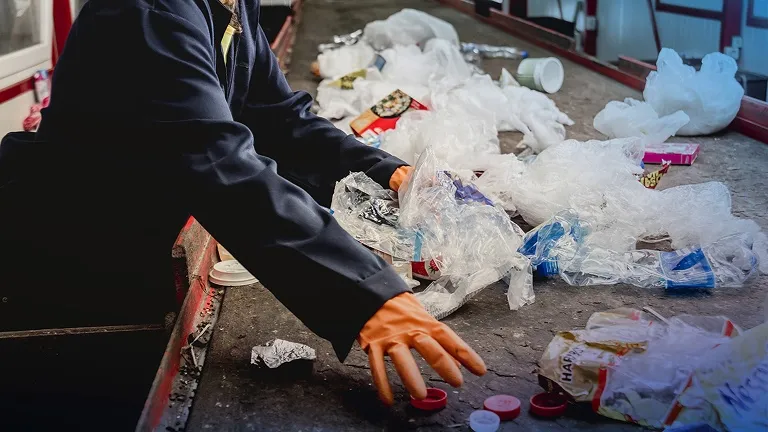
Virgin plastic remains significantly cheaper than high-quality recycled plastic due to the massive scale of petrochemical integration. For example, the price of a ton of recycled PET (polyethylene terephthalate) can cost up to US$800 more than that of a ton of virgin PET.5
Systems for collecting, sorting and processing recycled plastics may cause fluctuations in the supply and quality of feedstock. As a result, buyers incur additional costs to verify and process material. Unable to compete on price alone, recyclers instead rely on green premiums or mandatory content quotas.
Companies are addressing this challenge by simulating new product designs that incorporate post-consumer recycled (PCR) materials, and reducing the amount of plastics needed in the manufacturing process through lightweighting.
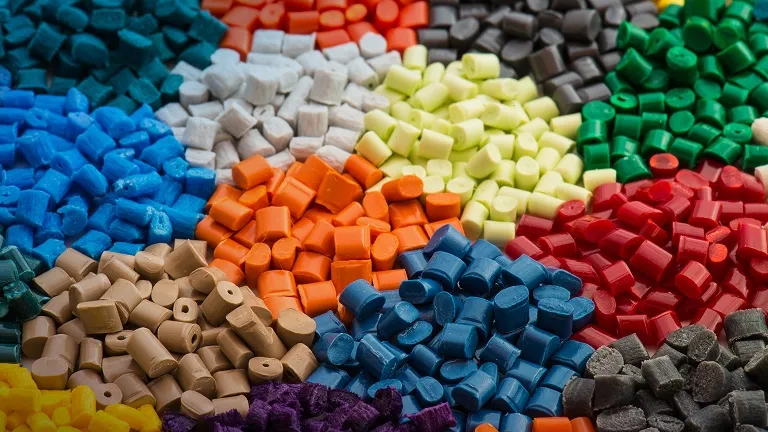
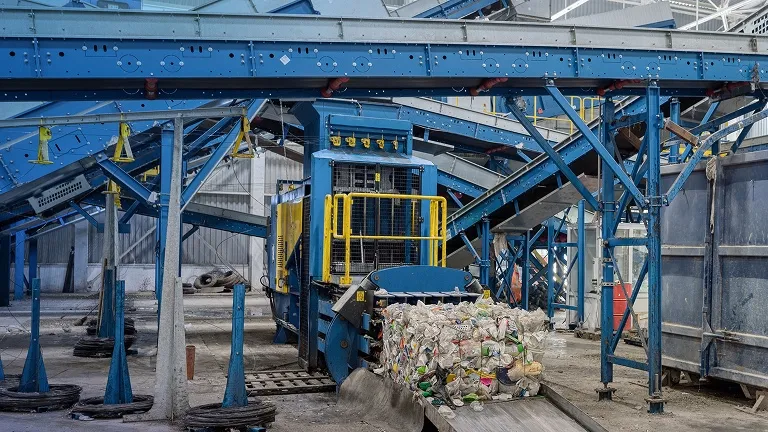
The infrastructure for a circular economy that accounts for sustainable plastic waste management is a complex, collaborative ecosystem. It requires massive upfront investment that many firms find difficult to justify. Companies that commit to using 100% recycled content often face a green premium — higher costs that they must either absorb (hitting margins) or pass on to consumers (risking market share).
Even though implementing the infrastructure might entail substantial upfront costs, it will lead to a more robust value network for plastics in the long term, opening up new business opportunities and revenue streams.
The lack of harmonized global standards for plastic manufacturing has led to fragmented markets and concerns about greenwashing. Rules vary widely across markets, making it hard for multinationals to build consistent circular strategies.
However, some progress is being made. The EU’s Circular Economy Act aims to ensure that 24% of all products manufactured in Europe by 2030 are made from circular materials.6
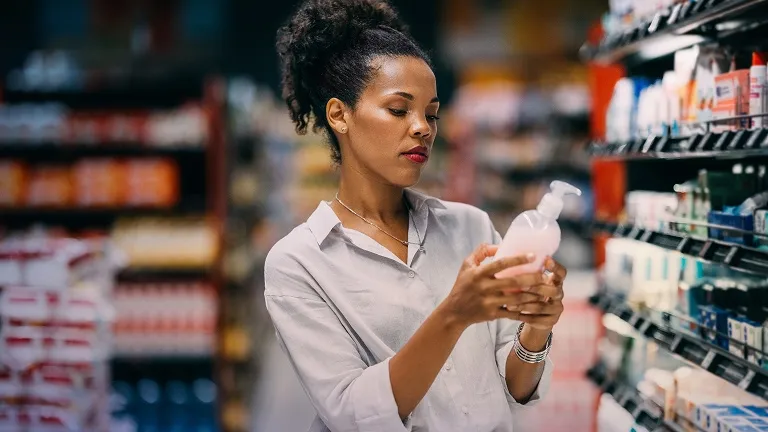
Consumer behavior plays a critical role in reducing plastic waste. Everyday choices such as reducing single-use plastics, reusing products, sorting waste correctly and supporting sustainable brands can significantly influence demand and industry practices.
Greater public awareness and education are essential to encourage more responsible consumption habits and accelerate the transition toward a more sustainable plastic system.

Addressing plastic pollution requires a systemic approach that can bring together all stakeholders across the value chain. Governments, manufacturers, suppliers, retailers, waste management companies and recyclers must work together to reduce plastic waste and improve sustainability.
This includes redesigning products for reuse and recyclability, investing in better collection and recycling systems and creating policies that support a circular economy. This can be achieved through a collaborative platform that brings all stakeholders together within a unified environment.
Because plastics are deeply integrated into modern industries and daily life, no single actor can solve the problem alone. Long-term progress depends on shared responsibility and coordinated action.
International treaties have tried to deal with the problem [of plastics], but they've systematically failed. Why have they failed? Well, because... plastic is not a single-layer problem. It cuts across all industries, from automotive to electronics equipment to consumer packaging. So, it's really a question of aligning all of those different stakeholders every step of the way.

The Business Case for Circular Plastics

Waste Minimization
Plastic waste reduction contributes to a cleaner ecosystem, fosters sustainable waste management practices and can lead to cost savings.

Growth Driver
Innovations in product development, circularity and technologies (including recycling) can open up new revenue streams and business models, driving economic growth.

Material Innovation
Developing alternative materials drives more sustainable product design, reduces reliance on finite resources and maintains product performance, quality and circularity across the product lifecycle.
Sustainable Production and Consumption
Recycling plastics supports a shift to a regenerative system, enabling manufacturers to design products with disassembly, recyclability and recoverability in mind.

Resource Preservation
Recycling plastics reduces the demand for virgin raw materials such as fossil fuels, conserving finite natural resources and lowering the environmental impact of extraction and production.

New Business Models
Treating plastic as a reusable asset changes how it is manufactured. Durable, reusable plastic can unlock new revenue streams such as Product-as-a-Service (PaaS) that deliver higher margins.
Achieving Circularity With 3D UNIVERSES
Companies transitioning to circular economy practices must rethink their operations from the ground up. This systematic transformation requires an end-to-end view of all operations and a new approach to designing and simulating models without physical prototypes.
That's where 3D UNIVERSES comes in. Our AI-powered ecosystem that blends the virtual and the real (V+R) unifies science-based industrial AI, virtual twins and proprietary data to create a virtuous loop that accelerates the discovery of molecules, materials and products.
As a result, companies can:
- Identify and assess more sustainable polymer alternatives grounded in science and industrial know-how
- Trace plastics across the entire value chain, from raw input to recycling and end-of-life outcomes
- Quantify impact at the design stage, where decisions matter most
- Spot and reduce unnecessary single-use plastics
- Predict and minimize plastic scrap during manufacturing before it even happens
- Evaluate the viability of plastic alternatives
How Circular Plastics Can Lead to a Stronger Bottom Line
Here's how a major consumer goods company reduced material usage by up to 18% per bottle without compromising performance or reliability.
Accelerating Innovation in the Circular Economy
Our modern life relies on plastic and recycling it, is a challenge. But digital solutions can give you visibility and flexibility you need to build truly sustainable plastic value chains.
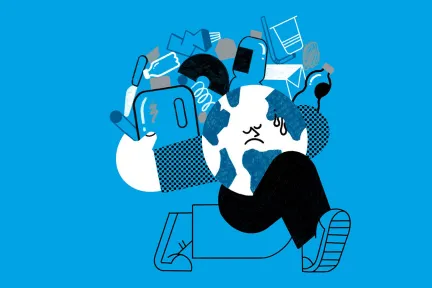
The circular economy is gaining significant traction as a sustainable approach to resource management. By adopting principles such as reducing, reusing, and recycling, organizations and consumers alike can minimize waste, maximize resource utilization, and contribute to the restoration of natural ecosystems.
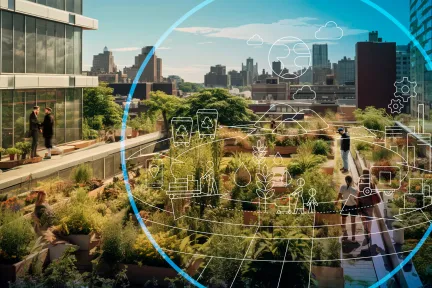
Infuse circular principles into product development through sustainable materials that are recyclable and biodegradable by design.
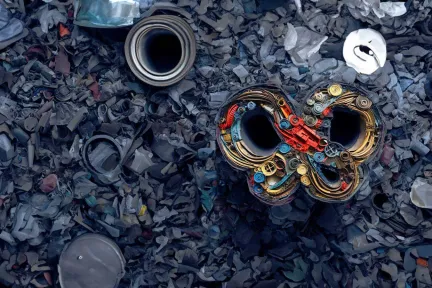
Innovate every step of your sustainable packaging journey, driving profitability with an end-to-end strategy, powered by the 3DEXPERIENCE® platform.

Circular Plastics: Frequently Asked Questions
Sources
[1] "Global Plastics Outlook: Economic Drivers, Environmental Impacts and Policy Options" by OECD (February 2022)
[2] "Aligning the value chain to decarbonize plastics" by Christof Witte, Georg Winkler, Sebastian Göke and Vladislav Vasilenko (June 2025)
[3] "Taking on plastic pollution" by UN Environment Programme (2024)
[4] "Chemicals in plastics far more numerous than previous estimates, report says" by Gloria Dickie (March 2024)
[5] "Where is Europe’s PET industry at in 2025?" by Packaging Europe (February 2025)
[6] "Circular Economy" by The European Commission