Hyliko
Hyliko relies on Dassault Systèmes technology to develop its hydrogen fuel cell trucks and deliver an integrated, scalable Trucks as a Service offer.
Hydrogen Fuel Made Practical for Truck Fleets
One of the biggest hurdles in the shift to clean, sustainable fuels is making them as available, affordable and practical as fossil fuels. Diesel still dominates road freight. Of the more than 85 million medium- and heavy-duty trucks on the roads worldwide, around 80 million – that’s 95% – run on diesel.
Hyliko wants to change that. The French startup is betting on hydrogen fuel cell technology to decarbonize freight transport and it’s building the services and hydrogen fueling infrastructure to make it a realistic option for fleet operators, delivered via a Trucks as a Service business model.
“Our goal is to offer a comprehensive service package to support the transition from diesel to hydrogen, built on three pillars: vehicle provision; service, maintenance, and monitoring related to decarbonization; and the provision of decarbonized hydrogen energy through our distribution network and that of our partners,” said Christophe Lora, senior vice president Trucks at Hyliko.
"We are providing all of this via a monthly subscription model designed to de-risk both the financial and technical aspects,” added Matthieu Barbier, technical manager at Hyliko. “It enables clients to lower the cost barrier and make it as easy as possible for them to transition to hydrogen in this low-margin industry.”
To compete with diesel’s performance and convenience, Hyliko had to find the most cost-effective way to design, test, build and industrialize hydrogen trucks. This ambition led the company to partner with Dassault Systèmes’ business partner Ohmycad and deploy the 3DEXPERIENCE platform on the cloud, providing a scalable digital foundation for its entire ecosystem. The solution supports Hyliko to connect every aspect of the product development lifecycle, uniting design, engineering, simulation and manufacturing in one digital environment.
“For a young company like ours, agility and flexibility are everything, and that’s exactly what Dassault Systèmes’ solutions gives us,” Barbier said. “CATIA is industry-standard, so most of our design team already knows it. It means we can bring people in quickly and keep moving without losing momentum.”
A Hydrogen Powertrain Optimized for Heavy Duty Transport
Hyliko’s hybrid hydrogen powertrain brings together industry proven battery-electric components as well as fuel cells from Toyota, which emit only water. This architecture delivers the range, payload and refueling speed required for long-haul freight – a use case where electric battery vehicles are not the most suitable.
“We made the commitment from the outset to work with expert partners rather than building everything ourselves,” Lora said. “So, for us, the challenge is to integrate all this technology into a complete solution. It’s important, then, that we have a platform that supports concurrent engineering and allows us to collaborate seamlessly with our partner ecosystem.”
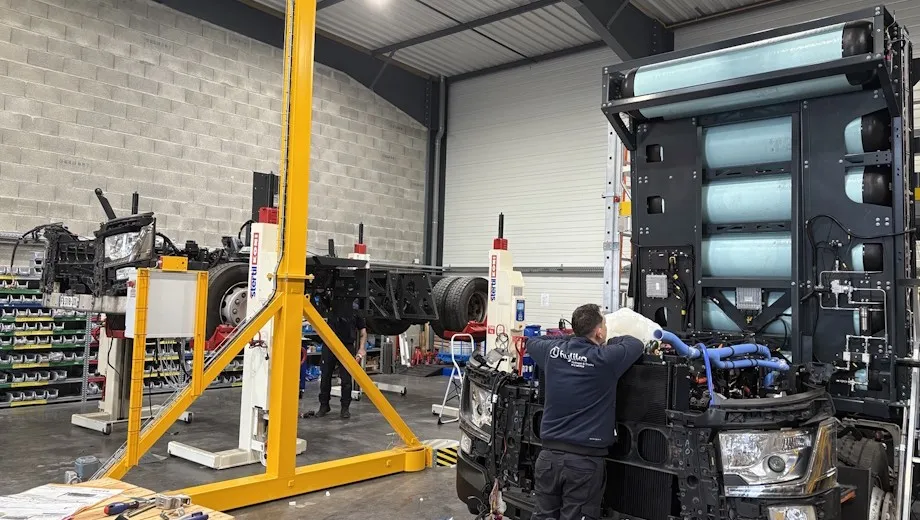
In order to save time and make the economics more attractive, especially for specialized fleets, Hyliko made the decision to retrofit existing vehicles. Working within the 3DEXPERIENCE platform allows the team to model the entire integration, adapting each truck’s original structure, installing the new powertrain safely and keeping existing components like concrete mixers and expensive auxiliaries in use.
“We configure vehicles for our customers' use cases," Barbier said. "So far, we have developed an architecture that adapts to tractor and carrier chassis. Our second-generation chassis architecture is already lighter, less expensive and more efficient. The 3DEXPERIENCE platform has been central to that evolution as it interfaces all our systems and makes the loop between concept and validation much shorter.”
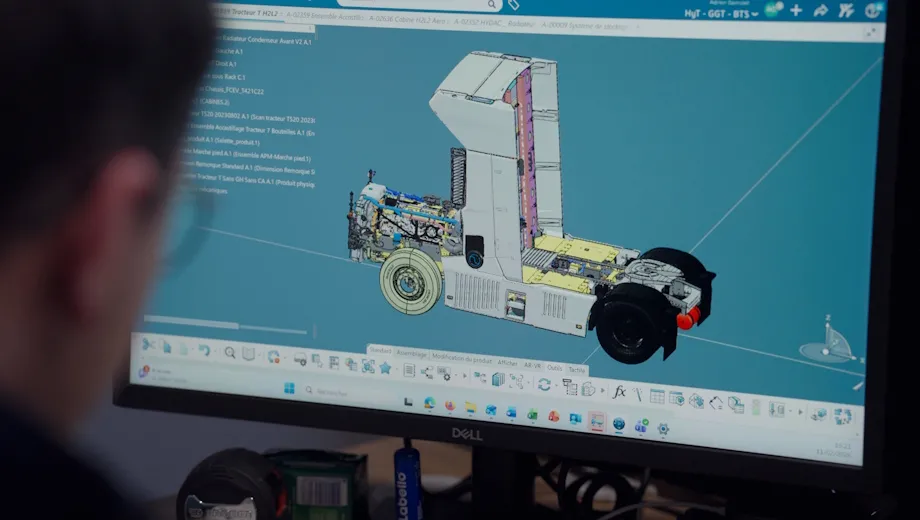
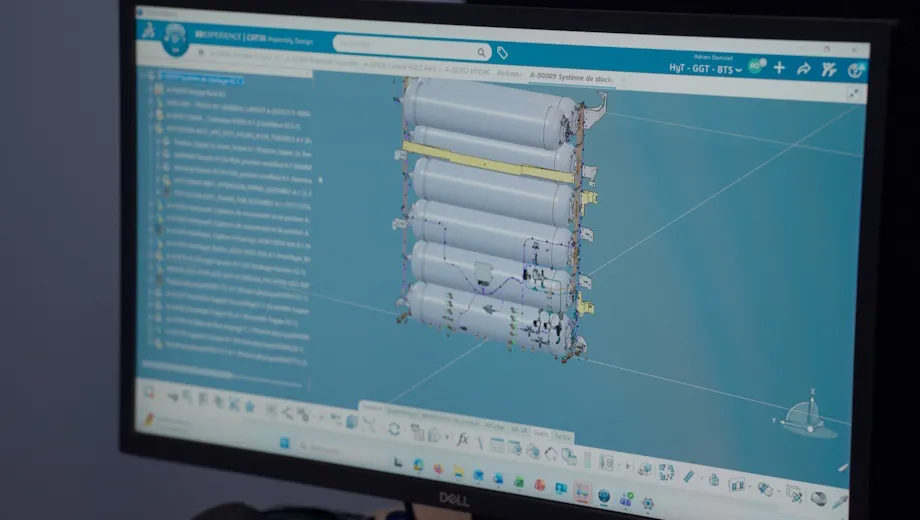
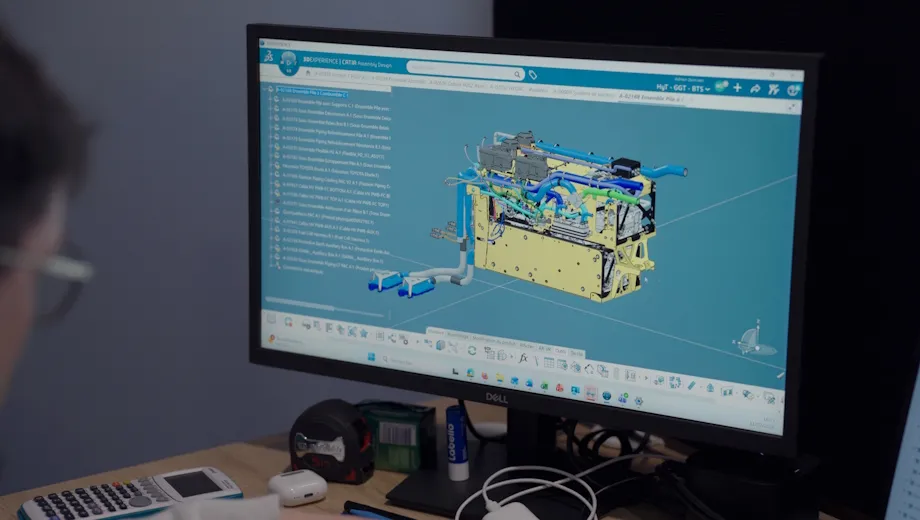
Designing the next generation of hydrogen trucks, Hyliko employees collaborate in real time on the 3DEXPERIENCE platform - integrating mechanical, electrical and systems engineering in a single digital environment to accelerate innovation and reduce development time.
Multidisciplinary Engineering Collaboration at Scale
Behind the scenes, collaboration is key. Hyliko’s engineers, suppliers and partners are spread across multiple countries, so the company needed a digital backbone that would let everyone work together seamlessly. The 3DEXPERIENCE platform provides that shared environment, supporting mechanical, electrical and systems engineering in parallel while streamlining assembly planning and marketing activities.
“We had people working on the design in Switzerland, Aix-en-Provence, Paris and Lyon,” Barbier said. “Everyone needed to be able to work together efficiently and transparently, with the goal of creating the first prototypes very quickly, within just six months. Because the 3DEXPERIENCE platform is cloud based, we could get started straight away with no need for on-site servers. It has been invaluable for bringing our skills together, keeping everyone up to date and avoiding the inefficiencies of exchanging files and emails. We estimate at least a 20% gain in efficiency, and a significant reduction in errors and rework.”
Through Dassault Systèmes’ startup program, Hyliko gained affordable access to enterprise-grade digital solutions, while Ohmycad experts provided high-level technical assistance to accelerate adoption and master advanced platform capabilities.
“Ohmycad’s responsiveness and willingness to learn alongside us have been invaluable,” Barbier said. “Over time, they’ve developed their technical expertise to provide us with effective ongoing support, which really matters when you're working fast. A great example is when they stepped in at a critical moment to support us on the wiring harness so we could meet our deadline.
“They also take care of all software license management, switching between monthly and annual licenses as we need, so if an intern joins the team or a support engineer jumps in at a partner site, they quickly activate licenses to get them up and running. What I appreciate most is that we share the same DNA – that startup spirit of finding solutions fast with a pragmatic, customer-focused approach.”
Integrating Mechanical and Electrical Design
Within every one of Hyliko’s retrofitted hydrogen trucks, mechanical, electrical and structural systems must work together seamlessly, and every component must be precisely dimensioned to withstand vibration, shock and the demands of heavy-duty operation. Hyliko manages all this complexity within the 3DEXPERIENCE platform, using CATIA for sheet metal dimensioning, mechanical integration and electrical harness design, including all schematics and routing. This model-based approach brings everything into context; each subsystem is designed with a clear view of how it connects to the rest, keeping all disciplines in sync as the architecture is continuously refined.
“In the second-generation chassis, we’ve brought the mass down from 10.4 to 9.3 tons by eliminating components and simplifying the architecture, giving us greater range and the ability to equip standard trailers,” said Ludovic Refnou, mechanical design engineer at Hyliko. “External partners can access the digital 3D model directly and work independently on the relevant sub-assembly. And when a component changes, the relevant departments are informed immediately so they can update their section straight away. The model is always up to date.”
Hyliko then simulates all designs to validate performance and guarantee safety before anything is physically built. Using SIMULIA capabilities on the platform, the team runs structural analysis and crash resistance testing to verify that every mechanical part meets strict performance and safety standards.
“We use SIMULIA to run calculations on metallic supports to optimize thickness, material choice and overall structural performance while keeping the weight as low as possible,” Barbier said. “The goal is to make sure everything stays safely below the material’s classification limits, so we simulate deformation and make sure the system can withstand vehicle crashes such as a 7G front shock or 6G lateral shock. We’re also exploring more advanced concurrent modeling and simulation (MODSIM) to unify design and analysis for future programs with Ohmycad strategic guidance.”
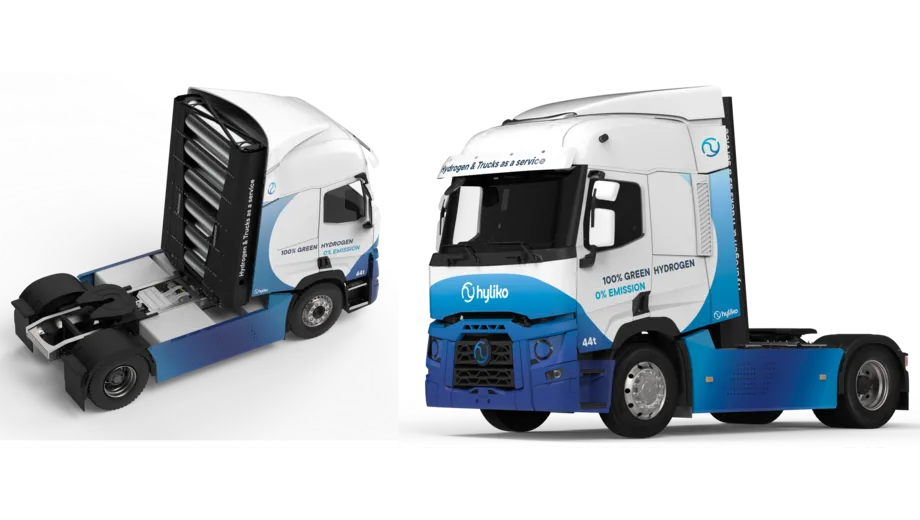
Hyliko also takes advantage of simulation alongside 3DEXCITE to generate high-quality visualizations, allowing customers to preview branded and customized configurations.
“We use 3DEXCITE to prepare the vehicle design, validate the exterior envelope and achieve realistic renderings to fine-tune bodywork parts,” Barbier said. “Together with the customer, we can model the trailer and vehicle to see how they behave together. And we can add the customer’s logo or design into the model to show what’s possible. It gives them a realistic first look at how their truck will appear once it’s built.”
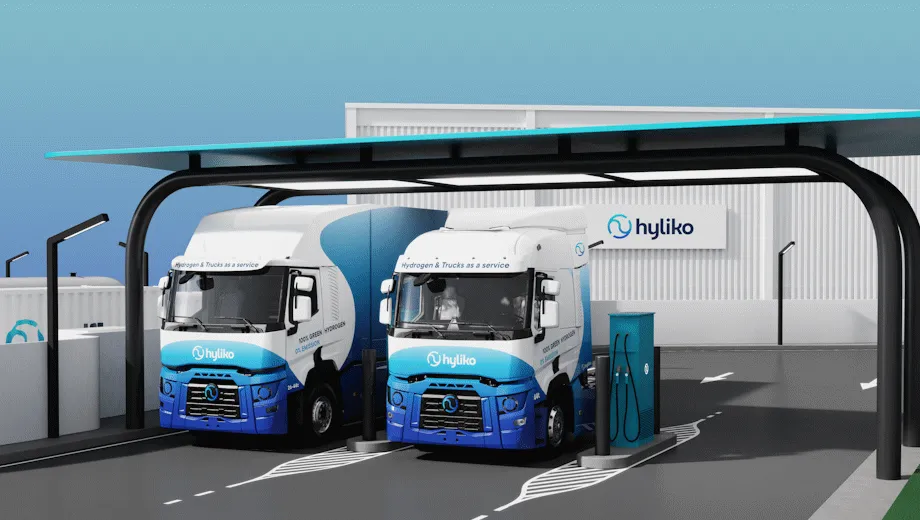
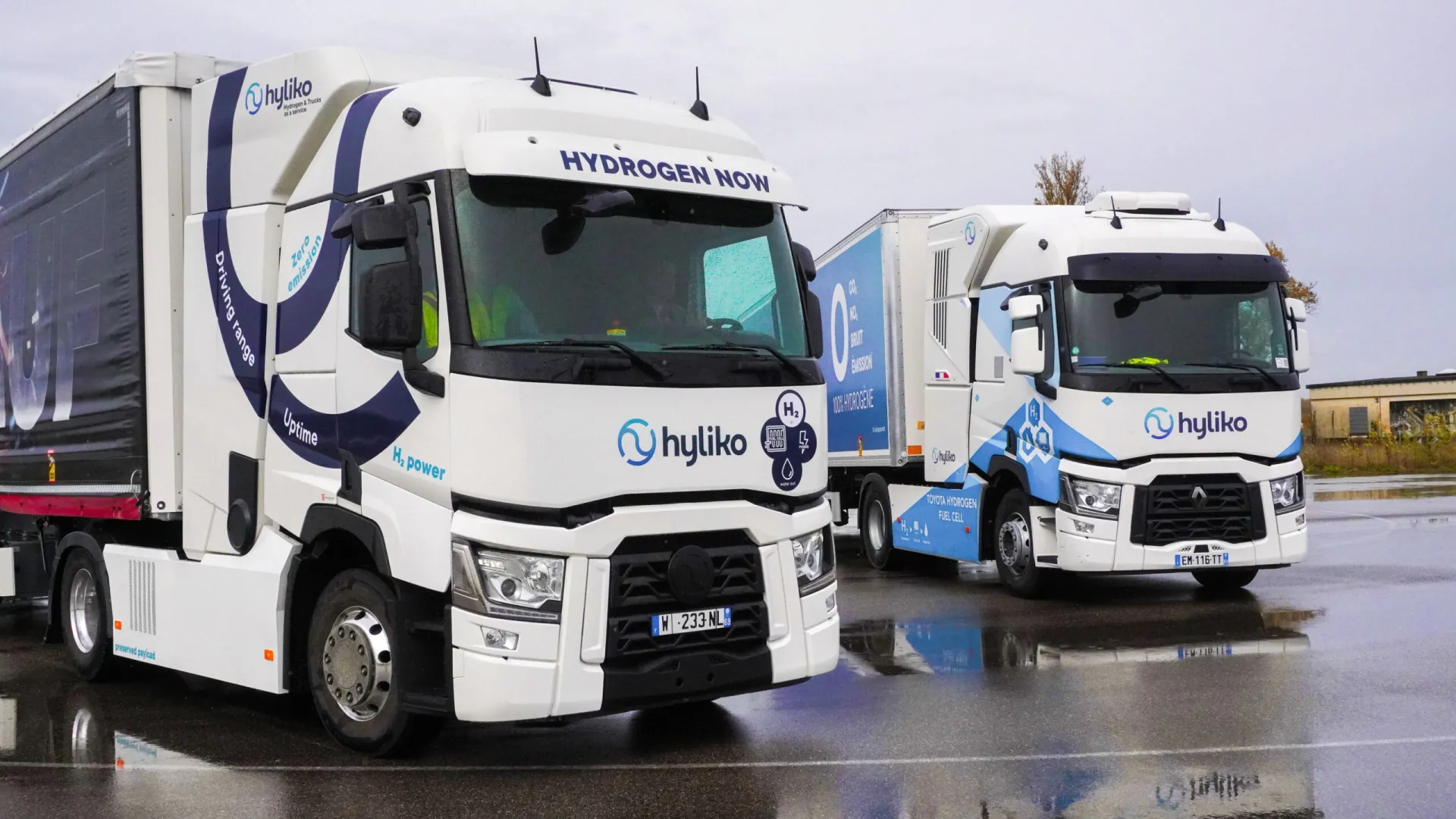
Hyliko’s hydrogen trucks deliver zero-emission performance with fast refueling in about 15 minutes, long-haul range and optimized payload capacity.
The Road to Full-Scale Manufacturing
As Hyliko ramps up towards industrial-scale production, it is extending its use of Dassault Systèmes solutions to connect design, engineering and manufacturing. The company uses ENOVIA for configuration and change management, and is deploying DELMIA to connect product design with manufacturing processes and the wider supply chain. Barbier explained that this next phase is about building the foundations to scale production.
“We’re gradually leveraging ENOVIA for change management, especially as we move towards more modular vehicle configurations,” he said. “For project management and mechanical design corrections, we already use the platform's tracking and messaging features, so when a non-conformity comes up, it can be flagged, escalated and resolved quickly. The next phase is full continuity from design through to manufacturing: a complete bill of materials for ordering components and managing the supply chain, plus detailed visuals for assembly sequences.”
In an industry still dominated by fossil fuels, Hyliko hopes its technology and Trucks as a Service model will prove that zero-emission freight transport can be both viable and scalable. The company’s ambition to make hydrogen trucks cost-competitive.
“The 3DEXPERIENCE platform gives us everything we need to work at pace and be a pioneer in this space,” Lora concluded. “Hydrogen is on the road today, proven and already satisfying customers. The challenge now is scaling up and we’re paving the way.”
Focus on Hyliko
Hyliko’s mission is to deliver zero-emission solutions that help transport operators accelerate the decarbonization of road freight. The France-based company has chosen hydrogen as the most viable clean energy source for energy-intensive, long-range haulage applications. Its integrated offering combines the rental and maintenance of hydrogen-powered heavy-duty trucks with access to a green or low-carbon hydrogen refueling network and dedicated digital tools to support operations. Hyliko aims to guarantee customer satisfaction and build confidence in the transition to sustainable freight transport.
For more information: https://hyliko.com/en

Focus on Ohmycad
Ohmycad (formerly XDI Europe) was founded with a clear vision: to meet the growing needs of companies for design agility, simplify access to the best Dassault Systèmes product development solutions and help its customers get the most out of them. A Dassault Systèmes solutions expert, Ohmycad’s team is passionate about design, innovation and technology. Its founders created the partner they would have liked to work with: reliable, agile and transparent.
For more information: https://ohmycad.com/en/contact-us/
Trucks and Buses
Empowering truck and bus innovators to conceptualize, engineer, simulate and produce modular, multi-function, next-generation commercial vehicles
Market Segment
Overkill Racing Brings Wild Ideas to Life
SOLIDWORKS Design helps a custom vehicle fabricator turn ambitious ideas into complete working assemblies before any metal is cut.
Customer Story
CRC Evans Gains a Competitive Edge in Specialty Welding Equipment Development
3DEXPERIENCE Transition Assistant Streamlines Data Access Across The Organization By Moving Legacy Data from PDM Server to the Cloud
Customer Story
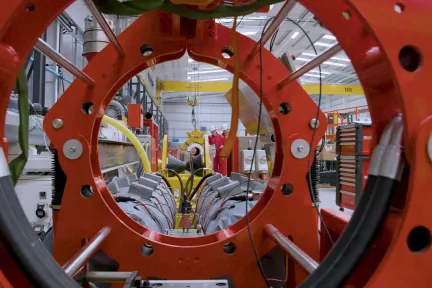
Estanc Expands into The Global Market with SOLIDWORKS Design and PDM Solutions
SOLIDWORKS Bridges the Gap Between the Design, Production, and Project Management of Steel Structures
Customer Story
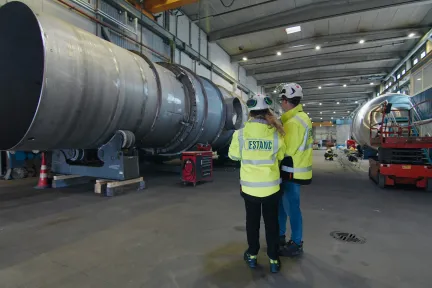
Silesian Phoenix
Discover how student engineering project Silesian Phoenix uses the 3DEXPERIENCE platform to improve collaboration and accelerate Mars rover development.
Customer Story
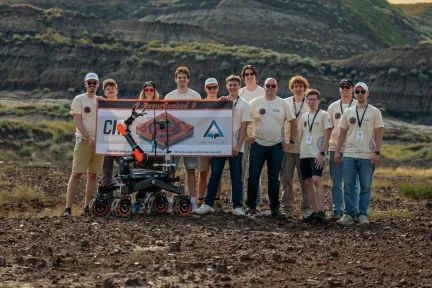
Standard Bots - Designing AI-Native Robots with SOLIDWORKS
Design intuitive six-axis robot arms that integrate hundreds of mechanical and electrical components in compact assemblies while confirming fit, range of motion, and motor thermal behavior before purchasing or manufacturing parts.
Customer Story
Artworks Florida Classic Fresnel Lenses, llc
Restoring and Reproducing Classic Fresnel Lighthouse Lenses More Efficiently and Cost-Effectively with DraftSight 3D Design Solutions
Customer Story

KIDO Sports
KIDO Sports uses Dassault Systèmes’ solutions to improve consistency and efficiency from design to validation across an expanding helmet portfolio.
Customer Story
Danone
Danone France cuts processing times in half, automates processes, improves collaboration, and secures data with ITEROP.
Customer Story