

Corporate Social Responsibility
From empowering women in STEM to advancing circular economy practices and inclusive mobility, Dassault Systèmes is driving change through collaboration, creativity and cutting-edge technology.
Corporate Reports
Under tremendous pressure to find innovative solutions to challenges caused by rapid urbanisation, the need for greener energy and complex health & safety regulations, the Infrastructure & Cities sector is embracing virtual twin technology to help accelerate its metamorphosis to create a better world for generations to come.
In the VIRTUAL WORLD
we can harness the knowledge gained from traditional practices. There, we endlessly simulate, test and optimize new approaches to developing sustainable environments for future generations...
...enhancing REAL LIFE
by implementing scalable, innovative approaches for smarter, greener solutions to challenges such as energy production, rapid urbanization and climate change.
Virtualization is not about digitizing what already exists; it’s about modeling what’s possible. It’s a new way to explore and collaborate to make better choices to improve the lives of every citizen on Earth. The Infrastructure & Cities sector is embracing virtual twins to address challenges ranging from finding and mining new materials to powering cities with renewable energy to reimagining infrastructure. Combining operational and environmental data in a unified platform lets stakeholders manage data complexity, visualize project goals, ensure compliance with health & safety regulations, predict maintenance and track infrastructure performance. Success can include mitigating construction risks, safely meeting global demand for better power grids and optimizing supply chain logistics. It’s through solutions like virtual twins that we’ll revolutionize approaches to the built world to create better living for all.
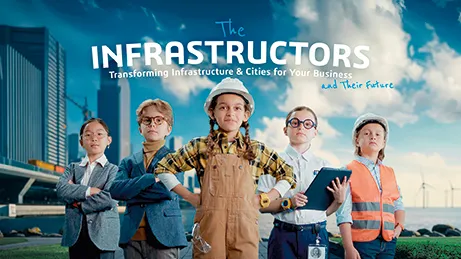
Our flagship marketing program for the Infrastructure & Cities sector, The Infrastructors, initiates conversations with leaders in public and private entities about how virtual twins can help tackle their greatest challenges. The series imagines what the next generation of innovators – children today – would like to ask the decision-makers currently shaping their future.
Reinvent how you operate today to deliver a better tomorrow. This is the message of five young experts, The Infrastructors, addressing Infrastructure & Cities organizations grappling with transformational challenges triggered by rapid urbanization, continuous economic development, a growing skills gap and the urgent need for climate resilience. Meeting these challenges requires creative and scalable approaches to create sustainable urban environments for future generations.
Just as young kids need extra energy to fuel their growth, our planet will need a surge of sustainable power to support its own development. Some estimates show that by 2050, demand for electricity could be up to 150% higher than it was in 2022. There’s no one-size-fits-all solution to the global clean energy transition. Different territories will adopt energy systems suited to local circumstances and capabilities.
Renewable energy sources will be key: we may need as much as a fourfold increase in the deployment of new energy technologies, such as solar and wind, to meet global net-zero commitments. By 2050, renewables could account for up to 85% of global electricity production. Virtual twins can help energy companies generate an end-to-end, multi-scale view of assets in their given environmental context and establish a common data environment for all power system stakeholders to ensure power production and delivery is reliable, reasonably priced and sustainable.
Kids love playing with toy trains and trucks, but logistics is serious business. If transportation infrastructure is the circulatory system of the global economy, then logistics – and in particular, freight transportation – is the blood: it is the indispensable medium to carry goods around the world. Achieving effective logistics and supply chain operations management is possible with virtual twins. They can provide a fully integrated view of planning and scheduling requirements across all time horizons in a way that also accounts for a dynamic regulatory landscape. Virtualtwins can also help with testing and validating rail operations. Their powerful, end-to-end simulation capabilities have tremendous power to precisely show how activities will function in reality, including day-to-day maintenance and operations, while also meeting quality and regulatory standards.
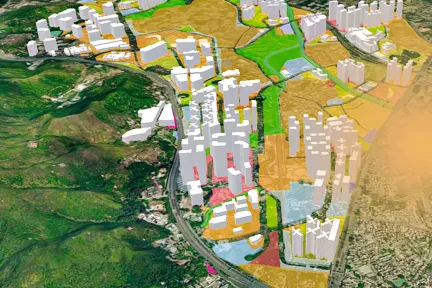
Most kids born today will grow up to be city dwellers. Today, over half of the world’s population lives in cities. By 2050, that figure is estimated to be 68%. Our cities aren’t just getting more populous and more complex; they’re increasingly vulnerable to climate change effects. But they’re also part of the problem: 75% of all greenhouse gas emissions derive from cities. Urban leaders, therefore, must make cities both resilient and sustainable, a balance that finds them increasingly turning to technology. Virtual modeling and simulation offer city leaders opportunities to leverage up-to-date data to test and iterate policies in the virtual world. This minimises risk in the real world, ensuring budget and resource allocations go to projects that will make a lasting difference to citizens’ lives.
Kids shouldn’t have to worry about growing old – but they might need to be concerned about the built environment surrounding them. That’s because infrastructure across the world is ageing or otherwise inadequate for society’s needs. Simply put, global infrastructure needs an upgrade. Whether that means maintaining old infrastructure or delivering new projects comes with a cost: current studies project as much as a $15 trillion gap between global infrastructure needs and spending through 2030. Many investors are put off by the risk and complexity of infrastructure projects. Digital technology can help de-risk these projects and make the financial case for infrastructure delivery.
There’s a big difference between making a house with toy building blocks and a real-world construction project. Or is there? Traditional construction processes have long been highly fragmented, involving multiple stakeholders across the lifecycle of a typical project. Delivering projects at the best of times while navigating strategic challenges – from the global skill shortage to rising material and labour costs to ever-evolving ESG regulations – is a huge task. Digital transformation in construction is finally happening. At the vanguard of this revolution is productization, which aims to transform construction elements from static, bespoke objects into generative assets, allowing for more convenient, cost-effective and flexible approaches.
Noise restrictions applied to onshore wind turbines are an obstacle to realizing their full potential. LM Wind Power and Dassault Systèmes addressed the problem by developing a new noise simulation methodology using a virtual twin, resulting in the development of quieter turbines.
The significance of wind energy in mitigating greenhouse gas emissions cannot be overstated. However, the persistent challenge of noise, particularly the bothersome swishing sound associated with onshore wind turbines, poses a significant obstacle. Stringent noise regulations have been a limiting factor, constraining turbine operation, diminishing power output and inflating production costs. The adoption of larger rotor diameters in wind turbine designs has introduced its own set of challenges, coupled with increased prototyping costs. The presence of aerodynamic noise, influenced by factors such as rotational speed and the intricate design of turbine blades, further exacerbates community disturbances.
In response to these challenges, a collaborative effort between LM Wind Power and Dassault Systèmes is pioneering a simulation methodology to design optimal blade serrations specifically geared towards reducing trailing-edge noise in full-scale wind turbines. This innovative approach bypasses the need for resource-intensive and expensive wind tunnel and field tests.
Crucially, the efficacy of this solution has undergone extensive validation through rigorous field tests.
Stringent noise regulations are enforced by governments for wind turbines. Moreover, the conventional approach of physical testing is beset by drawbacks such as high costs, logistical challenges and a reliance on weather forecasts, leading to frequent delays.
The introduction of a virtual twin replicating the full-scale wind turbine provides a rapid and efficient avenue for executing design iterations and modifications. The simulation has been thoroughly validated through real-world field tests, demonstrating its remarkable accuracy. Utilizing SIMULIA PowerFLOW, the airflow and resulting noise emissions are meticulously studied, enabling the generation of a naturalized noise signal on realistic terrain. This functionality proves invaluable in supporting design studies for noise suppression add-ons.
In essence, this innovative approach enhances the precision of wind turbine blade design, offering a range of benefits, including cost-effectiveness, compliance with regulations, and an accelerated design lifecycle.
Chinese green energy technology company Envision Energy is using the 3DEXPERIENCE platform to centrally manage its wind turbines in one unified location. This creates a continuous flow of information throughout the process, speeding up development cycles, improving product performance, optimizing the supply chain and significantly cutting costs.
Wind may be one of the cleanest forms of energy, yet fluctuating weather conditions and wind speeds also make it one of the more challenging energy sources to guarantee a steady supply of power. Huge, expensive turbines must harvest the highest amount of energy possible from every gust of wind and stay operational for as long as possible to justify their investment. Historically, any outage tended to be costly and significantly impacted output. Then, Envision Energy came onto the scene with its smart wind turbines, designed to optimize energy yield with turbine blades that automatically adjust to the wind direction and speed, and built-in predictive maintenance capabilities to keep downtime to a minimum.
Envision Energy uses DELMIA Quintiq to build complex supply chain networks through digital models and harness powerful analytics and simulation capabilities to mitigate disruptions. Planners gain a clear view of the end-to-end supply chain to support decision-making and finalise sales and operations planning within a day, instead of five. In the same timeframe, they can also confirm supply availability for new sales and projects.
By optimizing its supply chain network, Envision has achieved impressive business benefits, including increased efficiency, faster order completion and delivery rates and significantly reduced logistics, production and inventory costs. The sheer size of the parts Envision Energy manufactures typically means they are expensive to transport. Having better visibility of its complex supply chain network has helped the company plan ahead and choose more economic options.
We manage over 16 million model objects, over 120 million attribute objects and close to 160 million index objects on the 3DEXPERIENCE platform. Our query and execution rate is almost 10 times as efficient.
Italian startup NExT is developing electric modular vehicles that can be docked with each other to create extra capacity. It adopted Dassault Systèmes’ cloud-based solutions to make the design process faster and more efficient, using the Global Modular Architecture industry solution experience, taking a holistic approach to improve the way its teams work together.
The current model of public transport service delivery is fundamentally broken. That’s the view of Tommaso Gecchelin, founder and chief technology officer at NExT, an Italian startup developing an advanced intelligent transport system based on swarms of modular electric vehicles.
“We often see buses running totally empty,” Gecchelin said. “It’s a normal scenario in every big city because public transportation vehicles are sized based on the maximum capacity but are unable to adapt to varying demand throughout the day.”
NExT’s vehicles solve this problem. During peak hours, they can start their journey with five or more pods that dynamically connect using a robotic system to create a single vehicle with no articulation. Depending on the number of pods, NExT’s capacity can match an 18-meter bus or even a tram. During low-traffic hours, NExT can run in a lighter configuration with one, two or three pods, keeping the others parked and charging ahead of the next peak period.
NExT’s zero-emission vehicles are a sustainable smart urban mobility solution. They use up to60% less electricity than standard electric buses because they run only with the minimum necessary number of pods to accommodate demand.
“The operational pods use much less energy, not only due to being lighter but also because the space occupied by passengers that needs to be cooled or warmed depending on the season is only a fraction of a traditional fixed capacity bus,” Gecchelin said. “Moreover, the possibility of reducing the length and volume of the bus allows for a general reduction of road traffic.”
NExT requires industry-leading tools to design, test and optimize a bus that is expected to transform urban mobility. That’s why it is taking advantage of Dassault Systèmes’ 3DEXPERIENCE for Startups offer, which provides it with a best-of-breed portfolio of solutions, including CATIA for design.
NExT has made significant developments with its smart mobility solutions. It has now designed and manufactured nine prototype vehicles, which are currently being tested in Dubai and in the company’s headquarters in Padua. Mass production is expected to begin in 2025, with an initial 30 vehicles rolled out in the first year, and a further 100 vehicles hitting the streets in 2026.
REDUCTION OF ELECTRICITY CONSUMPTION FOR NEXT ELECTRIC MODULAR VEHICLES COMPARED TO STANDARD ELECTRIC BUSES
VEHICLES ROLLED OUT IN THE STREETS IN 2025, 100 EXPECTED IN 2026
This is just the beginning of the journey for this smart urban mobility project. While NExT’s CEO expects the first rollout of buses to be used in a simple and easily implemented initiative, such as the “variable capacity bus” scenario, he believes future applications will include an advanced on-demand shared taxi system.
“Dubai is the perfect city to use NExT in a taxi-like configuration,” Gecchelin said. “It is made up of some very dense and crowded points of interest spread over a rather large territory dotted with thousands of hotels and private residences. As such, NExT will allow citizens to summon a vehicle at their location and set their destination.
On the way, the modular vehicle will be able to dock with others that are going to the same place. Once passengers have moved within NExT’s modules headed to the same place, those left free will be able to detach to meet other customers in a system that allows door-to-door dynamics.”
NExT could also be used in countless other applications, including retail and on-the-moveservices, healthcare, security, cargo transport and airport services. Once infrastructure allows,the transport solutions will be able to operate completely autonomously.
Faced with a housing crisis in the United States, one bold startup is disrupting traditional construction codes. Inspired by aerospace and automotive methodologies, and using the 3DEXPERIENCE platform, Assembly OSM combines mass production, customization and rapid execution to explore solutions to one of today’s major challenges.
According to reports from Freddie Mac, the US is almost four million houses short of the demand from potential homebuyers. The traditional approach to construction is no longer fit for purpose. And while a new wave of companies offering modular construction – where buildings are prefabricated in a factory – promises a solution in the form of cheaper and faster processes, Andrew Staniforth, chief executive officer at Assembly OSM, believes the approach is still falling short.
Assembly OSM draws inspiration from the way that leading automotive and aerospace firms operate. Buildings are designed by Assembly OSM as a 3D virtual twin, components are manufactured by the company’s supply chain and products are assembled by Assembly OSM and “stacked” on the jobsite by the company’s general contractor partners.
“While we are productizing the process, we are using CATIA to achieve more customization,” Staniforth said. “With typical productization, you have a discrete set of options, but what we’re doing is building a much more continuous spectrum of options that you can do parametrically. “Overall, the 3DEXPERIENCE platform solves some very specific problems for us, and I would say it’s foundational to the way we operate – in terms of the way we work with suppliers and the way we’re managing products,” Staniforth said. “It’s very tightly integrated with our business model – in fact, I think it’s almost inseparable from it. It has unlocked the resiliency and the customizability that typically has not been allowed in modular construction before.”
“The built environment is responsible for 40% of carbon emissions, so we really do believe that it’s our responsibility to build better,” Staniforth said. “The tools within the 3DEXPERIENCE platform allow us to create a high-fidelity bill of materials for every building we create. We can then understand those materials and quantify their impact on the environment at a very early stage. We intend to scale quite quickly in different markets. That means the team will grow– and the 3DEXPERIENCE platform will grow with us too.”
Dassault Systèmes, along with Bouygues Construction, Piveteaubois, France Préfa Concept and IMT Mines Alès, is launching SmartFabrik, an ambitious new project to revolutionize the construction industry into a more industrialized, sustainable and competitive sector throughthe power of CATIA and the 3DEXPERIENCE platform on the cloud.
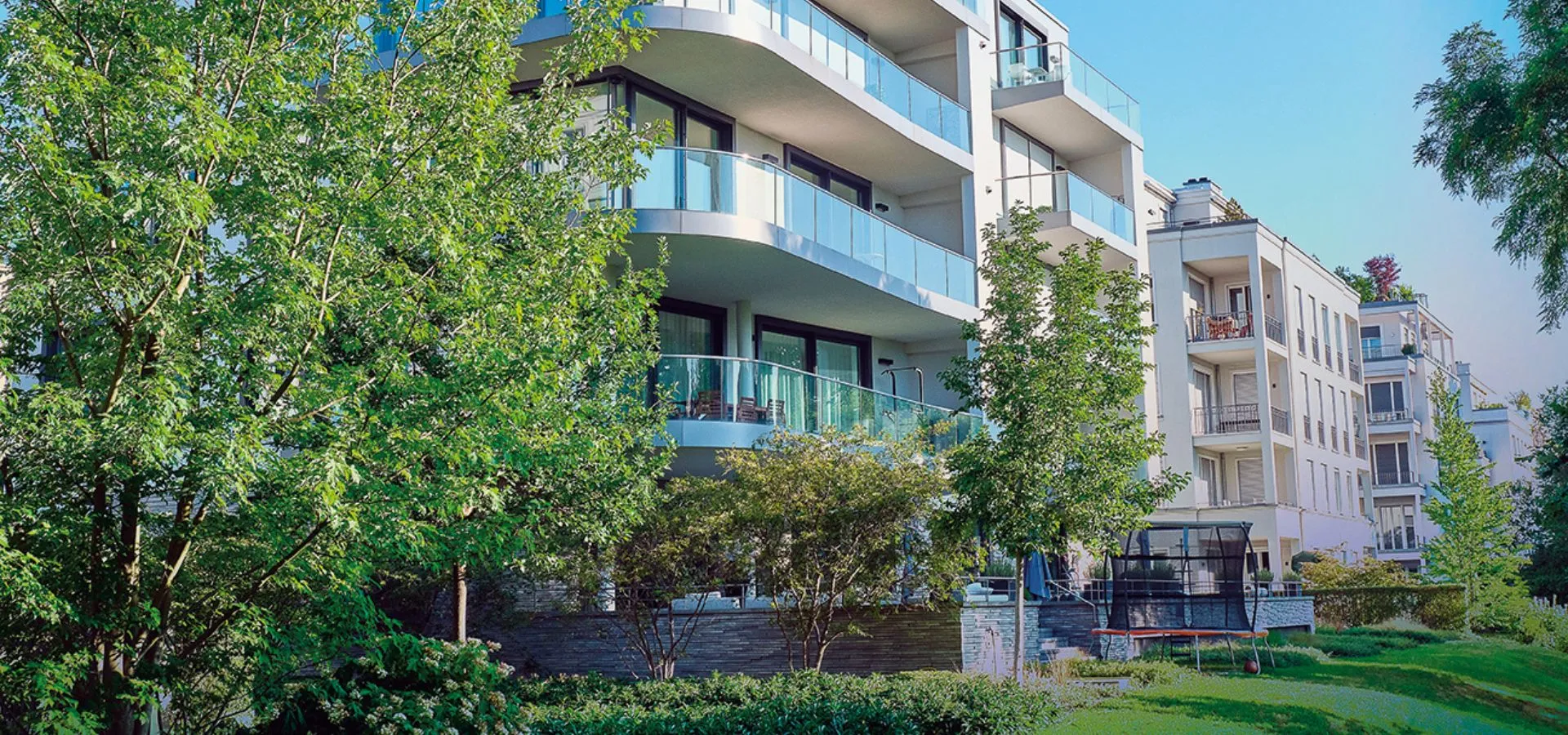
Launched in 2023 and supported by the French government department agency ADEME, SmartFabrik proposes a new approach to building and renovating. At the heart of the project lies the creation of a marketplace, a digital knowledge and know-how sharing platform, purpose-built to industrialize building design and delivery. This marketplace offers “virtual bricks”– digital pre-designed, customizable and eco-engineered construction systems. Each virtual brick encapsulates code regulations, engineering rules and the specialized expertise of its creator, whether it’s Bouygues Construction, Piveteaubois or France Préfa Concept. Each brick can be easily configured and assembled to create unique buildings while standardizing over60% of components, leading to faster, more cost-efficient and environmentally friendly construction. A dedicated configurator allows project managers, developers, architects, engineers and contractors to integrate virtual bricks into projects and automatically generate deliverables for each stage. The marketplace offers virtual brick developers accelerated engineering workflows, streamlined paths to manufacturing, IP protection, access to new markets and recurring revenue opportunities. For project managers, it means faster design cycles, reduced risks, lower costs and predictable, high-quality outcomes.
This initiative reinforces Dassault Systèmes’ strategic role in digitizing and industrializing the construction sector. By enabling a shift from fragmented practices to a platform-based, collaborative and sustainable model, we’re shaping the future of building – smarter, cleaner and faster.
From empowering women in STEM to advancing circular economy practices and inclusive mobility, Dassault Systèmes is driving change through collaboration, creativity and cutting-edge technology.
Corporate Reports
Because experience is human, experience is about enjoying art, science and technology to imagine and create a better world for all. Discover us.
Corporate Reports
Discover the latest innovative projects developed with our solutions: PKvitality, FEops, BioSerenity, The Living Heart Project, Hugh Herr...
Corporate Reports
Everything we do is in service of having a positive impact on our world. Dassault Systèmes is firmly committed to doing our part to reach climate neutrality by 2040, and this guides how we operate as a company and what we offer our customers. We know that being a leader in sustainable technology means being a sustainable technology company ourselves. It’s not just about what we sell. It’s also about who we are and how we support our most valuable resource: our employees.
Corporate Reports
Meaningful actions, for today's world. The initiative shows how we can represent the imaginary as tangible and realizable elements.
CORPORATE
Dassault Systèmes is shedding light on 10 major challenges faced by humanity. Victoire de Margerie, Vice-President Corporate Equity, Marketing & Communications, has invited the world to discover how virtual universes can spark innovative ideas and game-changing solutions to age-old challenges. For each challenge, we respond with an Act that symbolizes and highlights our commitment to help our planet survive and thrive.
Corporate Reports
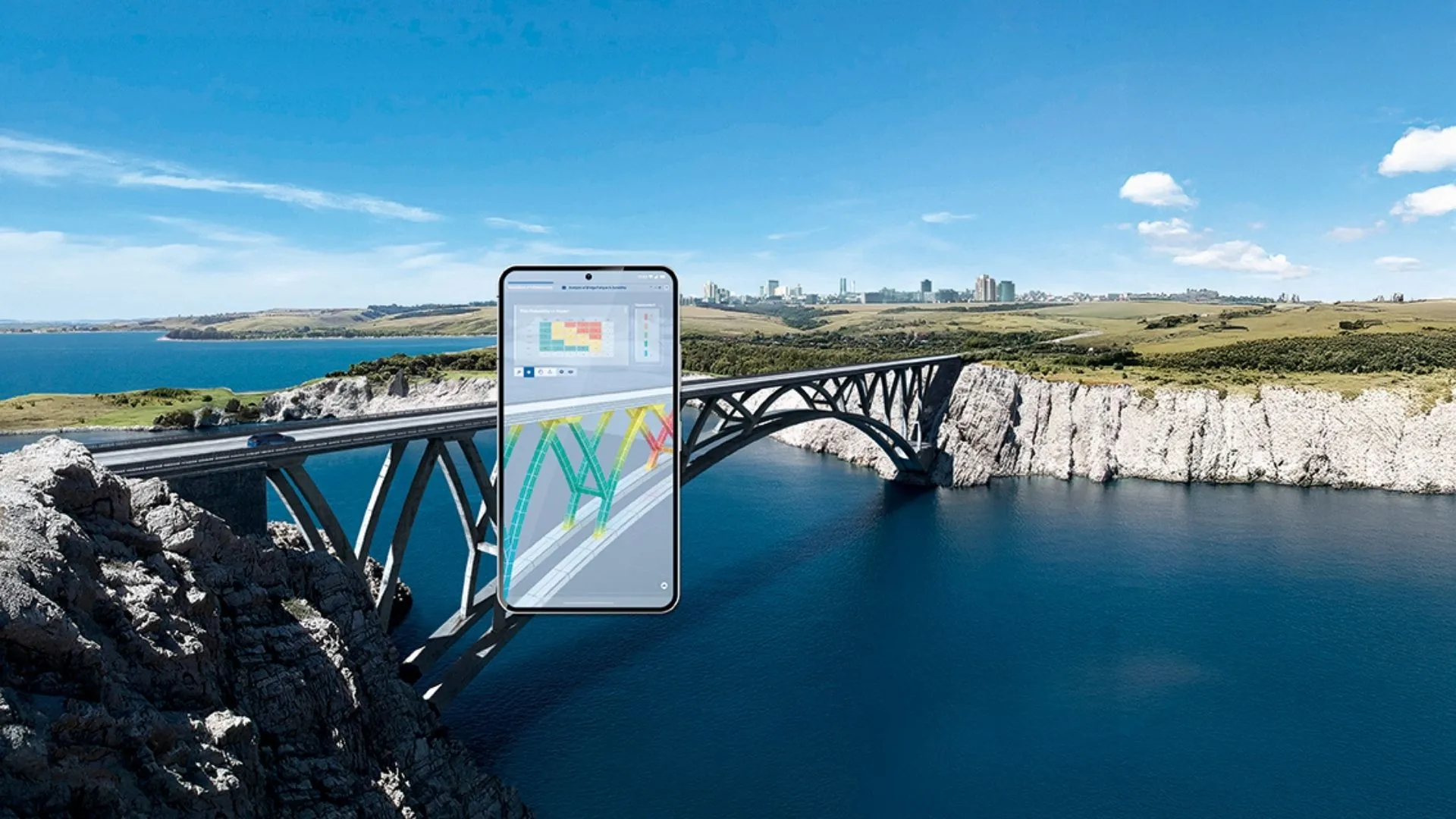
3D-enhanced maintenance and centralized management of structures in the cloud environment will open up a smart construction industry.
Corporate Reports
With vehicles providing growing levels of autonomy, quality and compliance are key challenges that the 3DEXPERIENCE platform helps to meet.
Corporate Reports
Discover the latest innovative projects: BioDapt's lower-limb prostheses, DAMAE Medical's device, LUCID Implants, modeling of cardiac configurations...
Corporate Reports
The 3DEXPERIENCE platform can be used by engineers to simulate airflows, as well as how a virus could spread in the air.
Corporate Reports