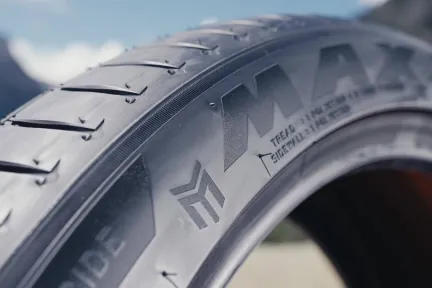




Maxxis International by Cheng Shin Tire
Cheng Shin Tire uses MODSIM to innovate tire designs, materials, and compounds for next-gen mobility, driving competitive edge for its global Maxxis brand.
Customer Story
Empower engineering and design teams to break down silos, enhance operational agility and secure long-term market leadership through a robust, collaborative development framework
In the context of modern engineering, Sustainable Product Development refers to the creation of a resilient, enduring development ecosystem where innovation can thrive continuously. It goes beyond environmental metrics, encompassing a holistic approach to fostering long-term business growth, team efficiency and creative output. This methodology emphasizes cross-functional collaboration, seamless data continuity and the proactive elimination of process bottlenecks that hinder progress. By integrating sustainability into the core of product development, organizations build a foundation that supports agility and adaptability in an ever-changing market landscape.
Sustainable Product Development is also a forward-thinking design methodology that emphasizes creating products with minimal environmental impact across their entire lifecycle. This comprehensive approach reduces inefficiencies, mitigates the risk of burnout and equips teams with the tools and processes needed to innovate effectively. Without such a framework, organizations are susceptible to innovation fatigue, driven by fragmented data silos, misaligned teams and extended time-to-market cycles. As a result, Sustainable Product Development is not merely a strategy, but a necessity for companies seeking to remain relevant, competitive and impactful in the modern engineering world.
A truly sustainable development process integrates disparate disciplines—mechanical, electrical, software and manufacturing—into a cohesive unit. By leveraging Model-Based Systems Engineering (MBSE) and real-time data exchange, organizations can ensure that every stakeholder acts on a single source of truth.
Modern development environments integrate with Enterprise Resource Planning (ERP) and Product Lifecycle Management (PLM) backbones to provide traceability and scalability. This optimization sustains the "heartbeat" of product creation, allowing teams to iterate rapidly on complex assemblies without the friction of legacy file-based management. It transforms product development from a linear series of handoffs into a concurrent, dynamic workflow.
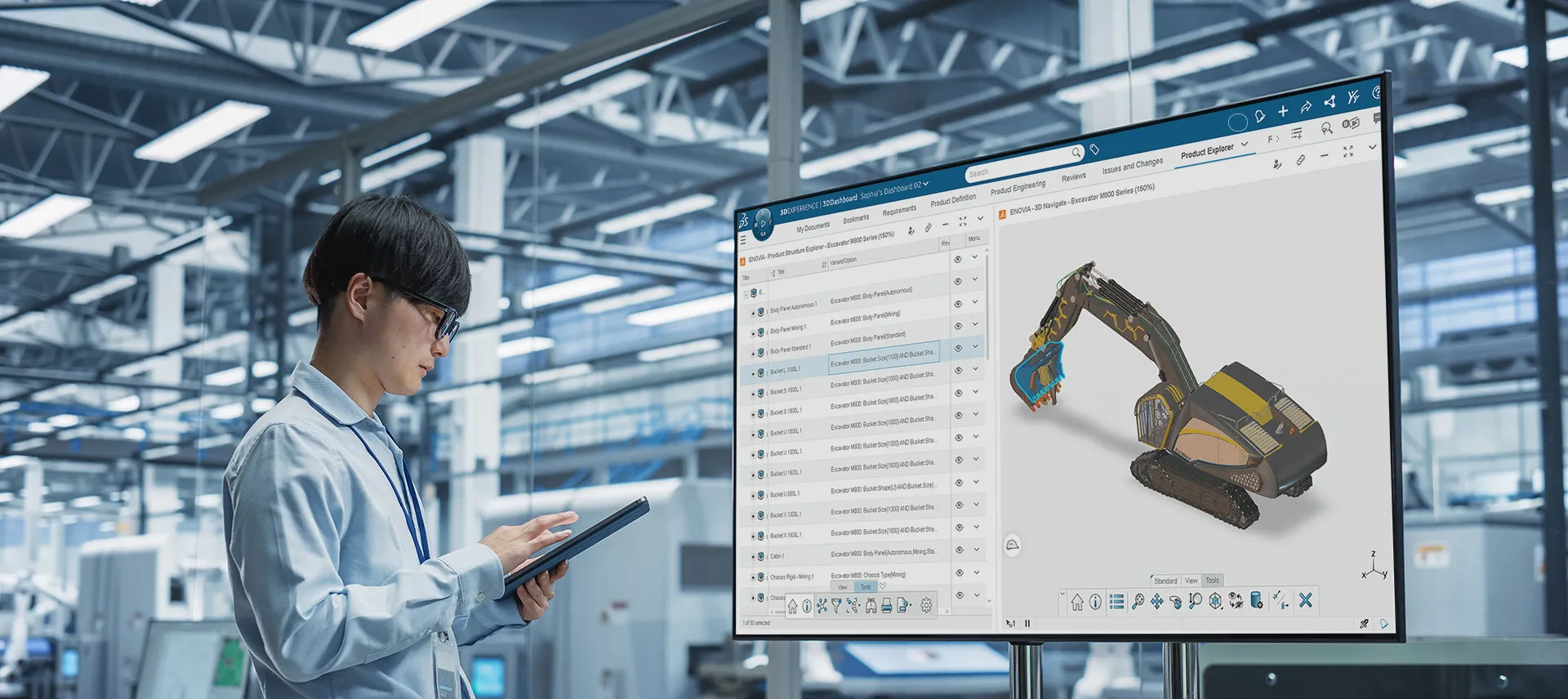
The 3DEXPERIENCE platform revolutionizes Sustainable Product Development by streamlining Product Lifecycle Management (PLM). It connects ideation to commercialization, preserving design intent and enabling digital continuity through centralized data and AI-driven workflows. This approach reduces costly rework, accelerates development and maintains quality.
Powered by the strength of 3D UNIVERSES , this approach combines virtual twins, generative models and trusted data to deliver richer insights and greater agility. High-fidelity simulations enhance innovation, sustainability and collaboration across teams, enabling better visualization and outcome prediction. By bridging digital and physical worlds, it boosts efficiency, minimizes risks and adapts quickly to market demands.
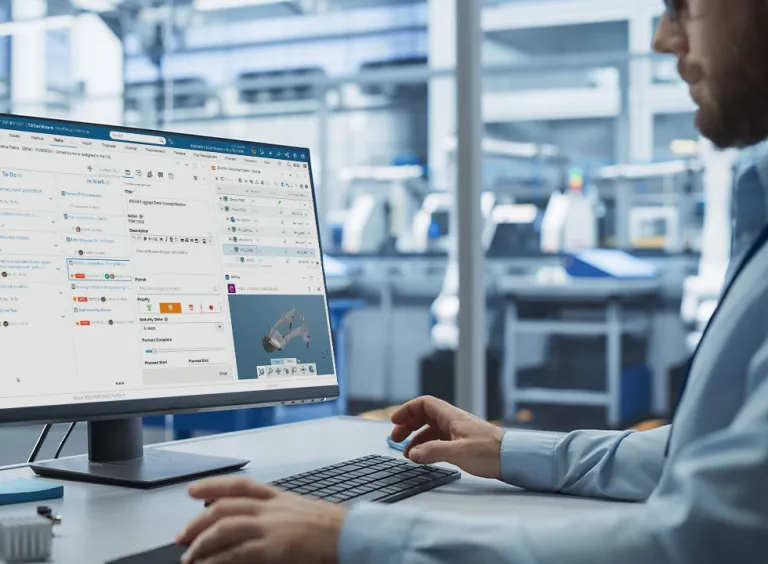
Synchronize geographically dispersed engineering, procurement, and quality teams through a unified digital thread to eliminate silos.
A "single source of truth" prevents version conflicts and ensures decisions are based on accurate data.
Deploy agile workflows that dynamically pivot to market shifts or supply chain volatility, preserving the critical path and minimizing disruption to the development lifecycle.
Support a continuous roadmap of product innovation and portfolio expansion.
While "sustainability" can imply conservation, in product development, it is also connected with process longevity and endurance. A chaotic, reactive development environment burns out talent and stifles creativity. By stabilizing the process through automated workflows and intelligent data management, organizations liberate their engineers to focus on high-value innovation. Sustainable Product Development ensures that the machinery of creation—the people, tools and processes—can operate at peak performance indefinitely, delivering complex, high-quality products cycle after cycle.
Concurrent Engineering replaces sequential workflows with parallel execution. Design, analysis and manufacturing planning occur simultaneously. This methodology drastically reduces lead times and identifies integration issues early in the conceptual phase, ensuring the development process remains viable and efficient under tight deadlines.
Borrowing from streamlined software development processes, Agile methodologies in hardware engineering allow for iterative sprints and rapid feedback loops. This approach sustains relevance by allowing product definitions to evolve based on real-time testing and stakeholder input, rather than locking in flawed requirements early on.
Transitioning from document-centric to model-centric workflows ensures that the 3D model serves as the authoritative definition for all downstream consumers. This reduces the friction of drawing generation and interpretation, sustaining a higher velocity of technical data throughout the organization.
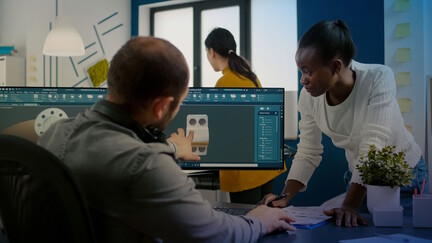
Enable multiple engineers to work on the same assembly simultaneously, locking only specific components while maintaining context of the whole.
Create high-fidelity digital representations to predict behavior and performance, reducing the reliance on resource-heavy physical testing.
Automate the propagation of engineering change orders (ECOs) across the BOM and associated documentation to maintain configuration control.
Ensure seamless data flow between various CAD tools, ERPs, manufacturing operations and other business systems to prevent data loss.
Visualize project health, resource allocation and timeline risks through intuitive dashboards that provide executive-level oversight.
Customer Stories
Neta Auto uses the 3DEXPERIENCE platform to manage all design, engineering, and manufacturing processes, bringing significant cost savings and reducing the product development cycle.
We’re using the platform to construct a multi-configuration, multi-stage, module-level DMU, which helps to improve the quality of the first engineering prototype. The reduction in management costs by integrating the design structure and engineering bill of materials (BOM) through ENOVIA is evident, resulting in a clearer engineering perspective.
Cheng Shin Tire uses MODSIM to innovate tire designs, materials, and compounds for next-gen mobility, driving competitive edge for its global Maxxis brand.
Customer Story
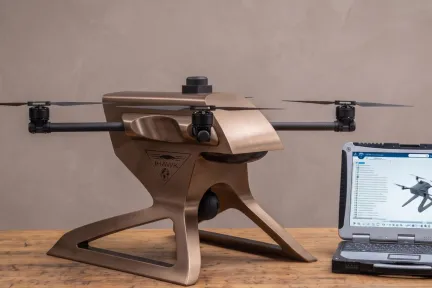
iHawk Global redefines container yard visibility with autonomous drones and ground robots which are designed using a simulation-first approach on the 3DEXPERIENCE platform.
Customer Story
Blue Spirit Aero uses the 3DEXPERIENCE platform to develop Dragonfly, a hydrogen-powered aircraft, with Virtual Twins for design, simulation, and certification.
Customer Story
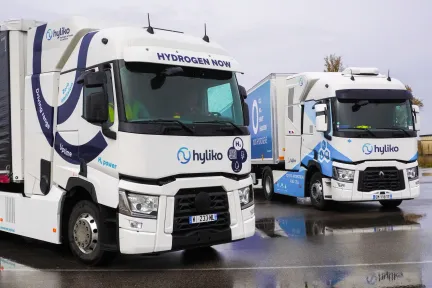
Discover how Hyliko uses the 3DEXPERIENCE platform to design, simulate and scale hydrogen trucks for zero-emission long-haul freight.
Customer Story
Discover how our PLM solutions can make a difference—explore the content below.
Watch the session replay to discover how to use Commercial Twins to craft immersive, high-impact brand experiences across every channel.
E-seminar
Discover the strategic initiatives and innovative solutions driving Life Sciences Manufacturers towards a sustainable and resilient future.
EBooks
Online roundtable | Replay
E-seminars
Enhance product innovation and accelerate market delivery through effective collaboration
Streamline data integration, enhance operational efficiency and ensure compliance across the organization
Navigate product quality and compliance confidently with essential insights to maintaining standards and fulfilling regulatory demands
Define clear objectives and prioritize actions to ensure sustainable growth and competitive advantage
Speak with an ENOVIA expert to learn how our solutions enable seamless collaboration and sustainable innovation at organizations of every size.
Courses and classes are available for students, academia, professionals and companies. Find the right ENOVIA training for you.
Find information on software & hardware certification, software downloads, user documentation, support contact and services offering.