
Saint-Louis Hospital AP-HP
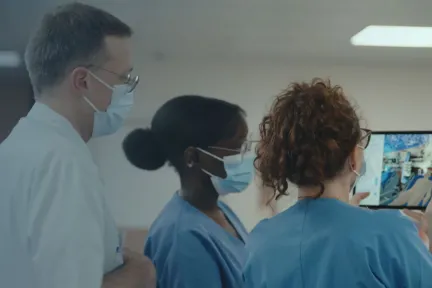
Innovative training powered by augmented reality and virtual twin technology transforms infection prevention at Saint-Louis Hospital AP-HP.
Customer Story
Canada-based engineering company Stekar chose the 3DEXPERIENCE platform on the cloud to deliver effective solutions for sustainable façade design.
When Mouvement d'implication francophone d'Orléans (MIFO) – a hub promoting French culture in Ottawa, Canada – outlined its vision for a new US$56 million (47 million Euros) building, it had two clear objectives: to make a bold architectural statement and to set new standards in sustainable façade design.
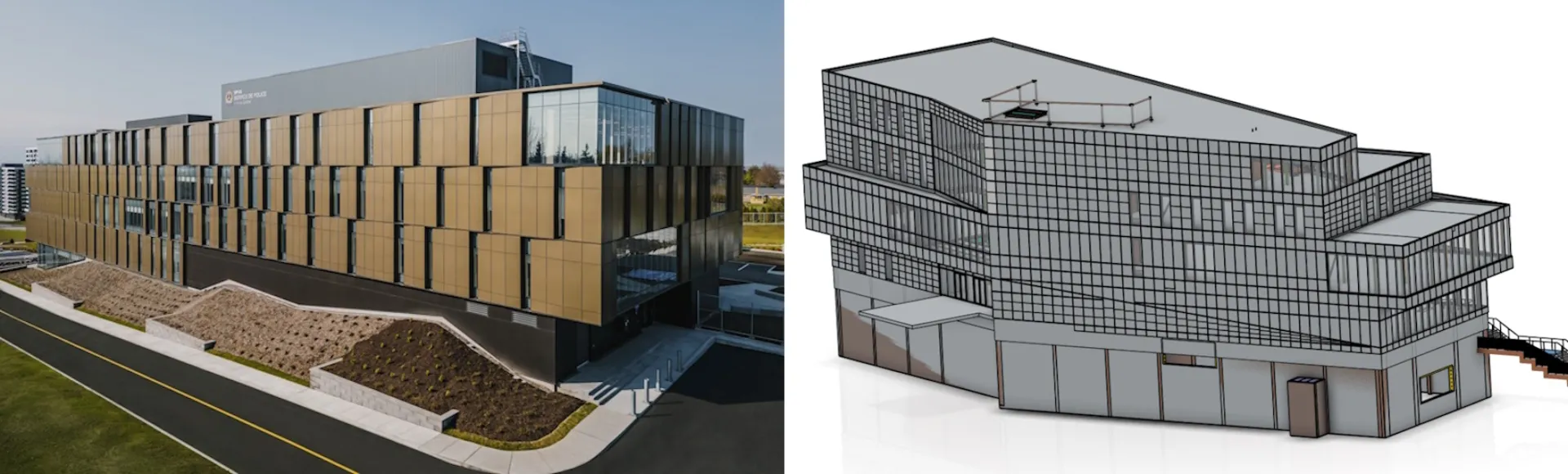
Stekar, a local engineering company with extensive experience in delivering advanced façade systems for a multitude of high-profile commercial, institutional and multi-residential projects, rose to the challenge. The company translated MIFO’s architectural concept into a high-performance curtain wall design featuring triple glazing, thermally broken aluminum framing and integrated brick cladding. The result is not only visually impressive, but delivers exceptional energy efficiency, helping MIFO achieve ambitious sustainability targets including net-zero‑carbon building (NZB) certification.
The effective delivery of this project required a high level of engineering precision and collaboration that could only be achieved using best-in-class software. Stekar’s solution of choice? Dassault Systèmes 3DEXPERIENCE platform on the cloud.
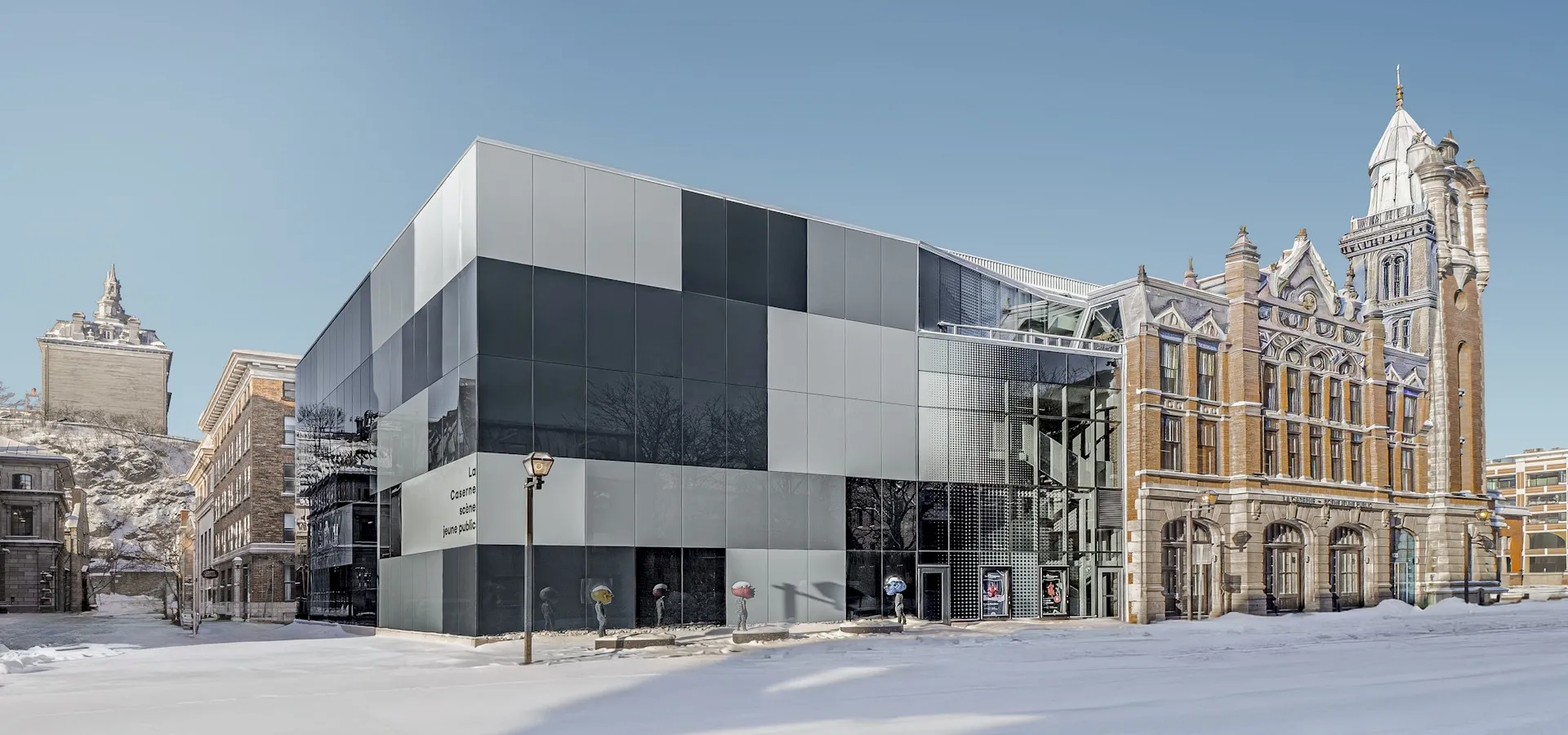
When Mouvement d'implication francophone d'Orléans outlined its vision for a new building, it had two clear objectives: to make a bold architectural statement and to set new standards in sustainable façade design. Stekar rose to the challenge.
Every project Stekar delivers is bespoke and engineered to meet precise architectural requirements. However, until recently, the company faced several challenges that were inhibiting its success.
Engineers were producing designs primarily in 2D, manually creating each section of a façade, such as the insulation, panels, glazing, brickwork or aluminum framing. These elements were often handled by separate engineers who worked independently using siloed software. This made it difficult to reuse design knowledge, leading to high variability between projects and a lot of manual checking for errors. Teams often had to go back and forth several times to ensure that architecture, structure and manufacturing components aligned.
As building complexity increased, particularly for projects involving mixed materials, advanced geometry or hybrid systems, this approach failed to meet Stekar’s needs. With limited visibility into complex assemblies, there was a high risk of errors in drawings used for fabrication – with misalignments or mismatches between components as a particular problem. Moreover, because it had to start from scratch with every project, the company was often slow to respond to customers and found it difficult to iterate quickly. This could often result in bottlenecks that delayed production.
Stekar recognized that to continue scaling – and to compete for increasingly ambitious architectural projects – it required a modern, integrated engineering solution to eliminate silos, improve design quality and help it prepare for future digital manufacturing initiatives.
The 3DEXPERIENCE platform has transformed the way we engineer our façade systems. Standardized 3D assemblies and reliable drawings have raised our quality and dramatically reduced errors. We also now have a strong foundation to move into digital manufacturing and deliver even more value to our clients.
Stekar sought advice from Dassault Systèmes’ local business partner GoEngineer, who, after multiple meetings with the company’s management team to understand key challenges and requirements, recommended the 3DEXPERIENCE platform on the cloud.
GoEngineer highlighted the platform’s ability to support the entire value chain, from concept and engineering through manufacturing and project delivery. It also explained how Stekar could benefit from CATIA for advanced 3D façade design and assembly definition, and ENOVIA for improved collaboration between design and engineering teams.
Working closely with the partner, Stekar took a logical approach to implementation, starting by using CATIA on the 3DEXPERIENCE platform to build parametric templates and modular blocks for its curtain walls and hybrid multifaçade systems. This allowed Stekar’s teams to shift from 2D drawings to 3D‑based design where façade systems could assemble, visualize and review in a fully digital environment before fabrication.
STEKAR chose the 3DEXPERIENCE platform on the cloud with CATIA for advanced 3D façade design and assembly definition and ENOVIA for improved collaboration between design and engineering teams.
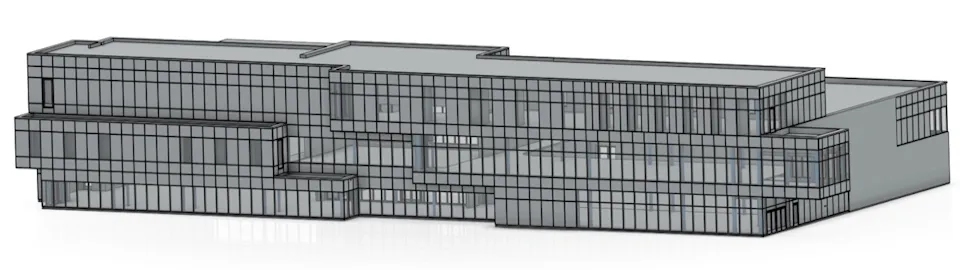
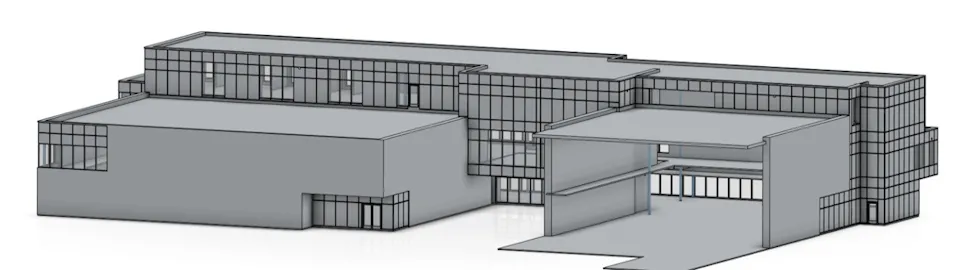
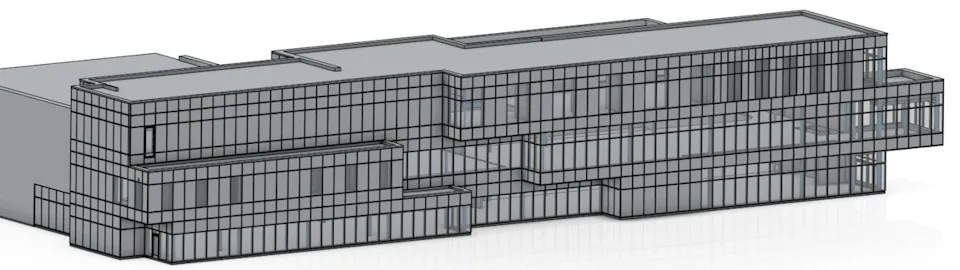
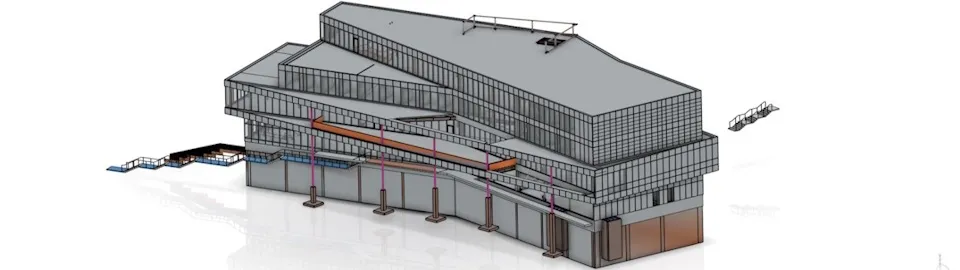
By embracing Dassault Systèmes’ applications, Stekar is realizing significant benefits.
With CATIA for 3D design, it is dramatically improving engineering accuracy and quality, reducing the need for rework as a result. The solution’s integrated clash detection capabilities provide immediate visibility into constraints and interferences, reducing the likelihood of issues occurring on site. In fact, drawing defects have been reduced to near zero for even the most complex assemblies.
Rather than designing each project in isolation, Stekar now has a configurable library of façade components. This enables rapid reuse and easy design modification – while also ensuring higher and more consistent quality across projects. 3D design data also is used to produce fabrication documentation and shop drawings, reducing manual drafting effort and minimizing errors in manufacturing.
With design and engineering operating in a shared 3DEXPERIENCE environment with ENOVIA, handovers are smoother, and communication between architects, engineers, fabricators and installers is greatly simplified.
This is just the start. With its 3D master data now in place, Stekar is preparing for the next step: using DELMIA for manufacturing planning and shop-floor work instructions. Connecting engineering processes to fabrication will result in a seamless creation of the manufacturing bill of materials (MBOM) from the engineering bill of materials (EBOM). Stekar, ultimately, will use ENOVIA to replace spreadsheet-based project coordination too, enabling the platform to support the entire end-to-end process from design through to installation.
Looking further ahead, Stekar also envisions leveraging the 3D models for enhanced marketing and client communication – for example, offering virtual walkthroughs of façades before manufacturing or installation, or demonstrating alternate material/layout options in real time. This could significantly accelerate sales cycles and offer clients a tangible feel for the final façade design.

Headquartered in Beauceville, Québec, Stekar offers a full suite of façade solutions including curtain walls, multifaçades, rainscreen cladding, aluminum panels and accompanying windows, doors and frames. Its specialties span from new‑build towers to retrofit projects, always with an emphasis on architectural quality, thermal and acoustic performance and compliance with rigorous standards.
For more information: https://stekar.com/en/
GoEngineer has been at the forefront of technical innovation for over 40 years, helping engineering, manufacturing and product design companies stay competitive. It provides complete design-to-manufacturing solutions for both SOLIDWORKS and CATIA companies, with nationally-acclaimed customer support and resources. GoEngineer’s customers have access to thousands of training resources, on-demand support, customer portal access, mentoring sessions and a unique interactive community for engagement and camaraderie with other engineers. Meanwhile, its service portfolio – including simulation consulting, implementation services, data management, 3D printing and more – unifies product development solutions under one roof, reducing cost, complexity and time-to-market.
For more information: http://www.goengineer.com
Innovative training powered by augmented reality and virtual twin technology transforms infection prevention at Saint-Louis Hospital AP-HP.
Customer Story
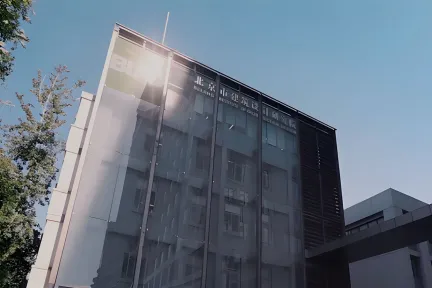
BIAD uses MODSIM to set new benchmarks in smart hospital architecture, improving patient experience and processes with advanced design and simulation.
Customer Story
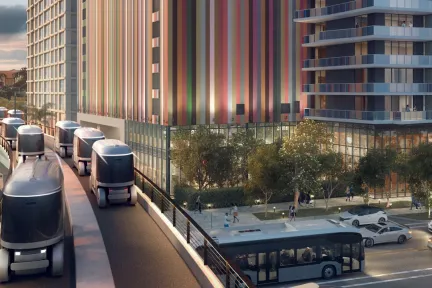
Glydways leverages CATIA on the 3DEXPERIENCE platform to develop scalable, autonomous transport for sustainable urban mobility.
Customer Story
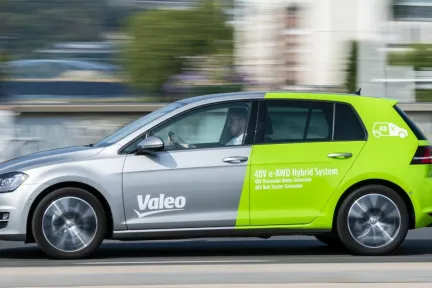
Valeo explores Dassault Systèmes’ platform potential to unlock AI-powered innovation for safer, more sustainable, smart mobility systems.
Customer Story
SOLIDWORKS Design helps an oral care industry innovator integrate charging, storage, travel, and hygiene into one electric toothbrush.
Customer Story
Enerbioflex digitalizes its business processes to support its rapid growth and secure energy purchasing for its clients, with 3DEXPERIENCE ITEROP from Dassault Systèmes
Customer Story
Cheng Shin Tire uses MODSIM to innovate tire designs, materials, and compounds for next-gen mobility, driving competitive edge for its global Maxxis brand.
Customer Story
Airframe supplier Sonaca España is unifying design, engineering and manufacturing on the 3DEXPERIENCE platform to tackle product complexity and gain digital continuity.
Customer Story
SOLIDWORKS connected to the cloud-based 3DEXPERIENCE platform boosts productivity, accelerates time to market, and safeguards product data from the threat of cyberattacks.
Customer Story
Environmental technologies company speeds up the development of wastewater treatment systems by leveraging SOLIDWORKS and the 3DEXPERIENCE Platform for design, optimization, and data management solutions.
Customer Story