

Unified Intelligent Data Environment
Empowering Project Delivery Excellence through Unified Intelligence.
Solution

The demand for hydrogen is rising, and the race is on to capitalize on this. But are companies’ infrastructure well-equipped to handle the demand?
The global transition to renewable energy is driving an unprecedented surge in hydrogen demand. As the world moves towards a net-zero economy, technological advancements are driving down the costs of hydrogen infrastructure, much like the decline in costs previously seen in cleantech and battery technologies.
According to a report by the International Energy Agency (IEA):
Global hydrogen demand in 2023 reached more than
97 million tons (Mt)
Demand for low-emissions hydrogen in 2023 grew
almost 10%
Global hydrogen demand by the end of 2024 will reach almost
100 million tons (Mt)
So, it's no surprise to witness the emergence of national hydrogen strategies and roadmaps across the globe, with governments investing billions of dollars to speed up the transition to a hydrogen-based future. Research by BloombergNEF showed that funding for low-carbon hydrogen quadrupled to US$280 billion between 2021 and 2023.
The potential for hydrogen to become the next great energy source has never been greater. But why is now the right time to invest in — and develop — a green hydrogen supply chain? Let's explore some of the opportunities available.
Although the demand for hydrogen is steadily rising, there are still several fundamental challenges that must be solved before it can become a viable solution as the next great energy source:
The short-term consequences of not capitalizing on green hydrogen include missed opportunities for investment, inefficient operations and loss of market share. The long-term consequences could be even more severe, including regulatory penalties and a diminished role in the future global energy landscape. It's crucial that companies act decisively to close this gap by harnessing cutting-edge technologies to build a resilient hydrogen supply chain.
The short-term consequences of not capitalizing on green hydrogen include missed opportunities for investment, inefficient operations and loss of market share. The long-term consequences could be even more severe, including regulatory penalties and a diminished role in the future global energy landscape. It's crucial that companies act decisively to close this gap by harnessing cutting-edge technologies to build a resilient hydrogen supply chain.
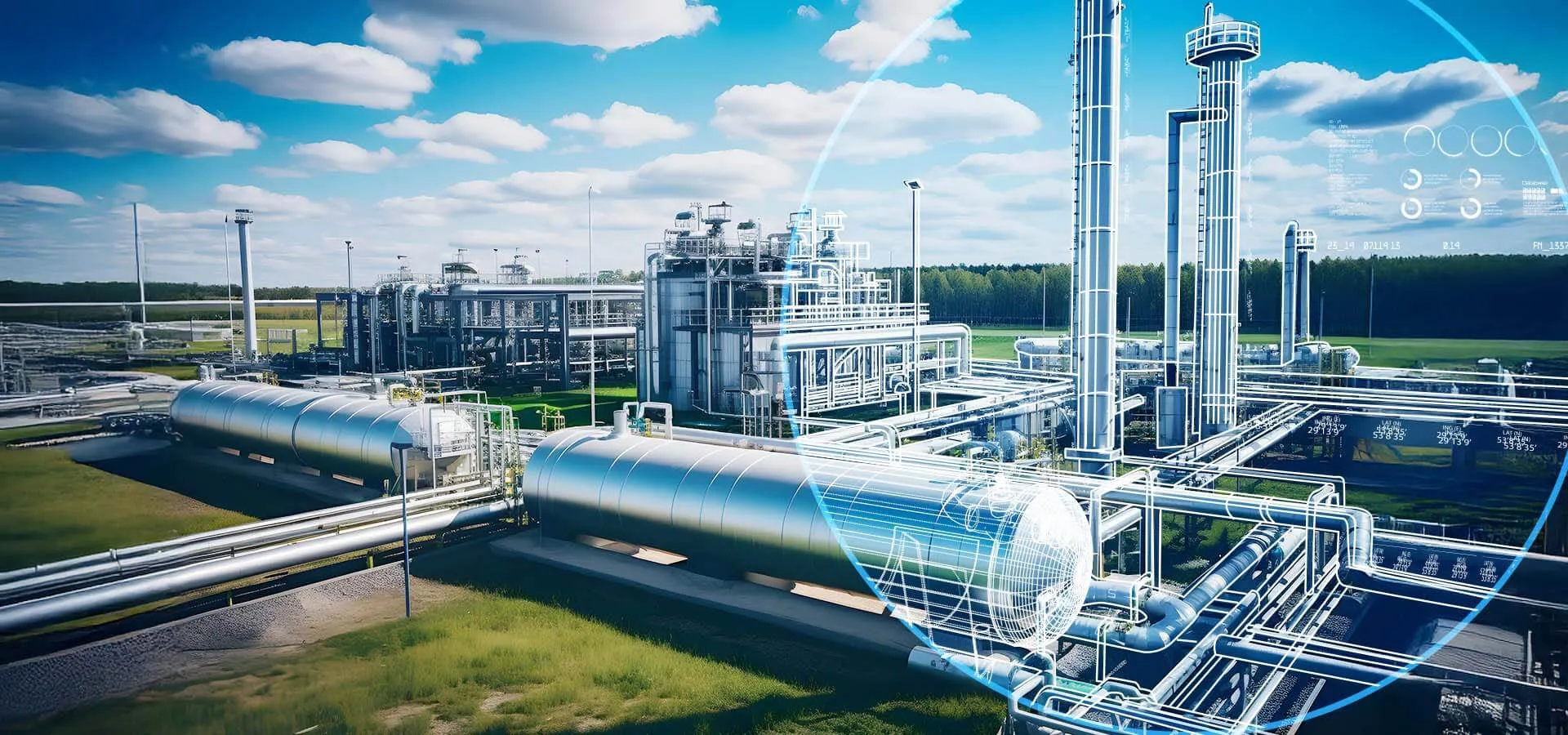
How can the virtual twin help design tomorrow's energy systems — and lead the charge toward a clean hydrogen future? Get the in-depth story by downloading our ebook.
By leveraging the virtual twin capabilities of the 3DEXPERIENCE® platform, companies can efficiently design, optimize and scale hydrogen solutions, ensuring the sustainability, safety and economic viability of the hydrogen value chain. Simulation-driven innovation empowers stakeholders to model complex systems, predict real-world outcomes and accelerate deployment, all while minimizing risk and maximizing investment returns.
Here are some examples of how the virtual twin capabilities integrated within the 3DEXPERIENCE platform can play a crucial role in augmenting the hydrogen supply chain:
Get ready to accelerate the shift to lean energy for a brighter tomorrow.
Empowering Project Delivery Excellence through Unified Intelligence.
Solution