Netri
IF WE predict clinical outcome before clinical trials, can we speed up time to patient for a new drug?
3DEXPERIENCE Lab
IF WE predict clinical outcome before clinical trials, can we speed up time to patient for a new drug?
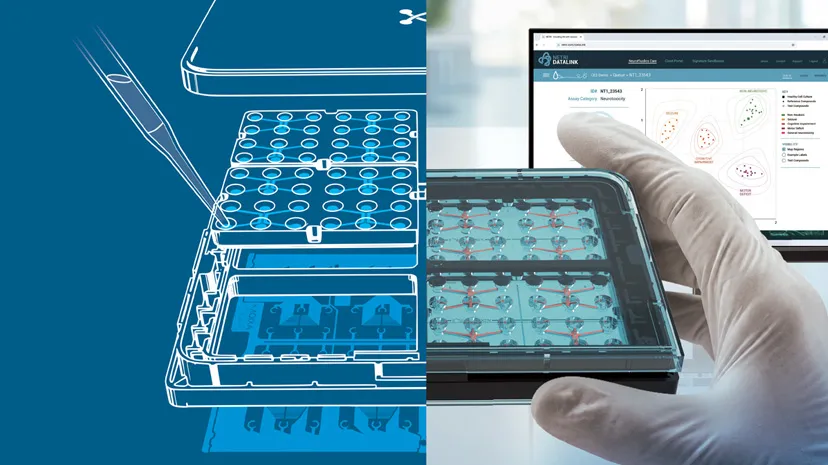
NETRI’s main challenge is to overcome the failure of translating animal models, whose results often do not match human biology, thereby creating unmet medical needs. This issue is critical in a context where nearly 90% of clinical trials fail, with 50% due to lack of efficacy.
To establish itself, the startup must achieve broad regulatory acceptance from organizations such as the FDA and the EMA, while demonstrating the perfect reproducibility of its technology through multi-site testing with major pharmaceutical partners.
The ultimate challenge lies in accurately predicting clinical trial outcomes in order to reduce these high failure rates and address a drug development process that currently takes around 15 years and costs approximately $2 billion per drug.
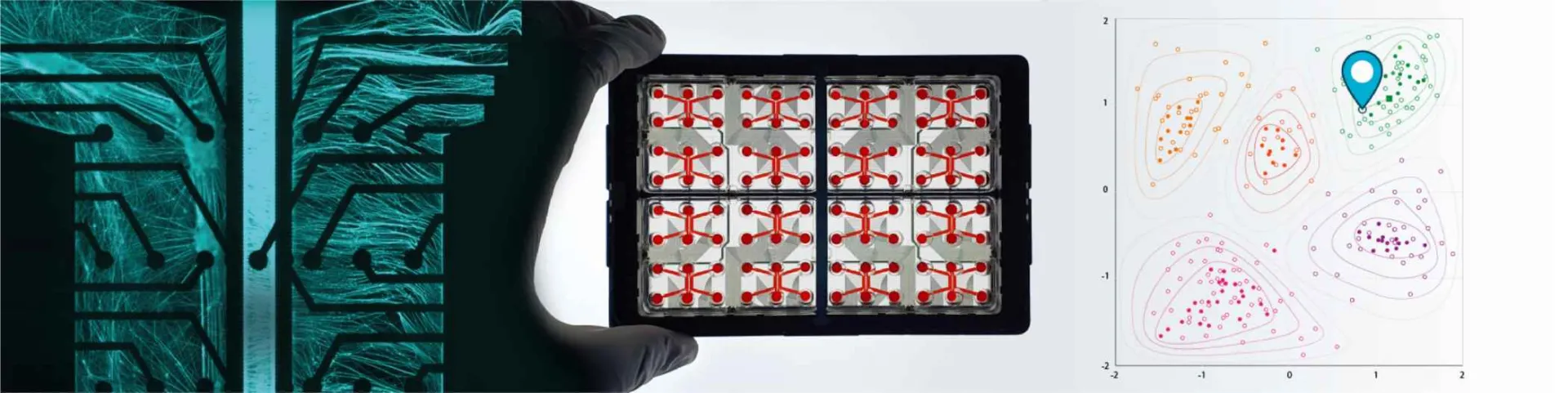
NETRI’s innovation is based on the use of its methology “Neurons as a sensor” capable of translating preclinical data into clinical outcomes.
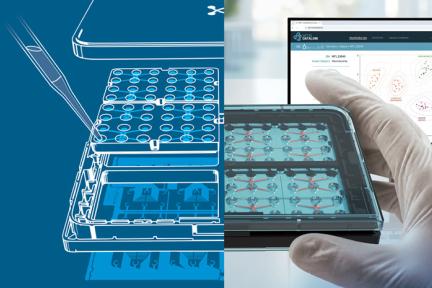
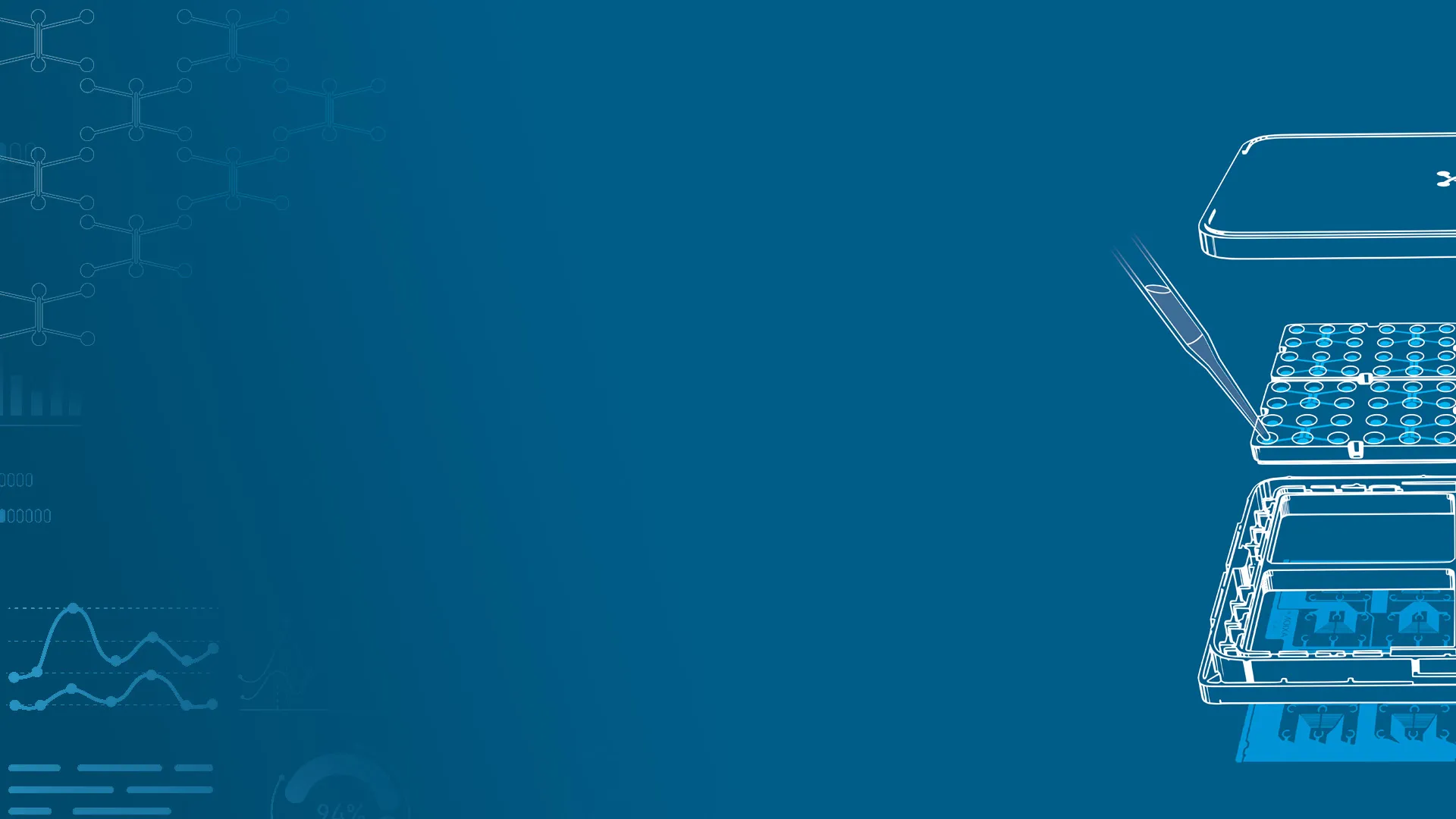
By isolating the nervous system within their hardware device, “NeoBento” (a standardized 96-well format), they record digital signatures of drug interactions.
These signatures are then analyzed using artificial intelligence and compared to a reference library of compounds to predict whether a treatment will be effective or toxic, even before human testing begins, thereby helping reduce the high clinical failure rates observed today.

NETRI aims to accelerate patient access to treatments by reducing drug development timelines, directly contributing to:
The 3DEXPERIENCE platform is central to NETRI’s industrial strategy, helping modernize its entire manufacturing process. It also supports the management of their digital library system, which stores and organizes compound signatures used for predictive analysis, contributing to more efficient and scalable drug development.
NETRI’s growth strategy relies on close collaboration with major pharmaceutical companies to validate the robustness of its methodology through cross-testing.
The company adopts a technology licensing model, enabling its tools to be widely used in laboratories and potentially reducing the industry’s high failure rates.
Its system is designed to be open and complementary, capable of integrating complex biological architectures, such as organoids, developed by other industry partners.

NETRI is developing a breakthrough technology that uses its methodology “Neurons as a Sensor” to better predict drug responses. By replacing unreliable animal models, it helps reduce clinical trial failures, improve drug safety, and speed up development. Overall, it enables more efficient, reliable, and personalized healthcare.
IF WE predict clinical outcome before clinical trials, can we speed up time to patient for a new drug?
3DEXPERIENCE Lab
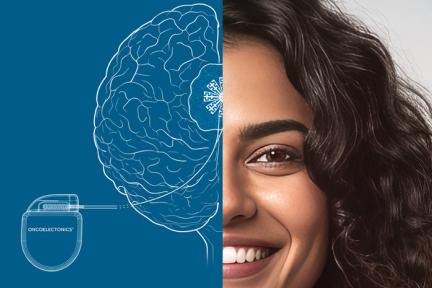
IF WE can use precise, programmable bioelectronic implants to control aggressive tumours, Can we help patients live longer, with better quality of life?
3DEXPERIENCE Lab
IF WE put human in center of cancer therapy, can we secure access to cancer treatment in the future?
3DEXPERIENCE Lab
IF WE could enhance our nanomaterial stability, can we ensure long lasting reliable biosensor platform for the consistent performance in the clinical environment?
3DEXPERIENCE Lab
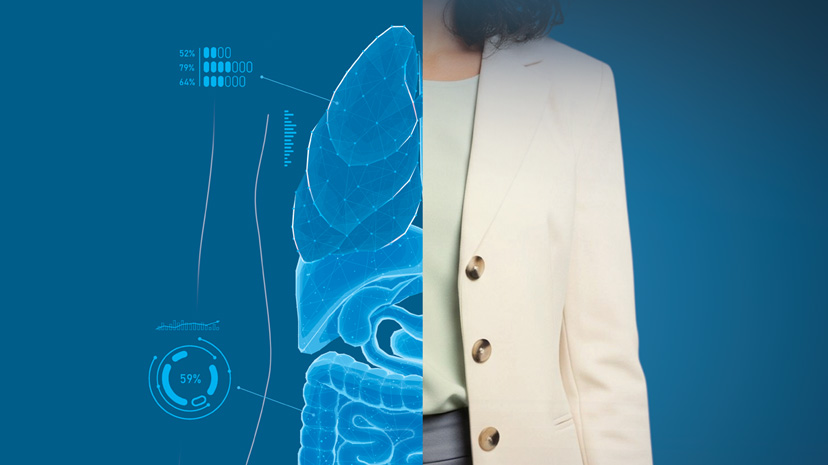
IF WE reimagine autoimmune and gut-immune care through a biology-first digital twin and expert system, CAN WE accelerate precision medicine and transform women’s health worldwide?
3DEXPERIENCE Lab
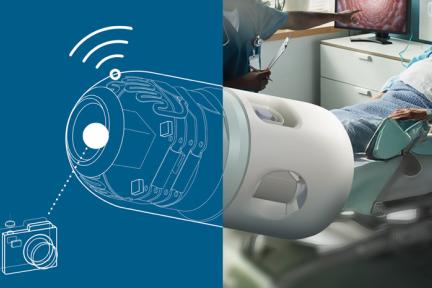
IF WE can create a pill-sized robot, CAN WE actually redefine medicine from the inside out?
3DEXPERIENCE Lab
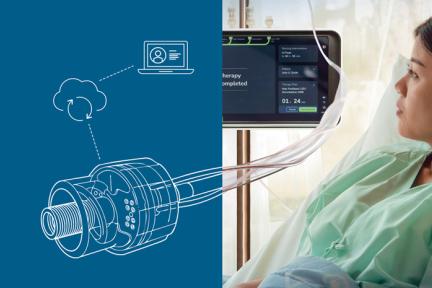
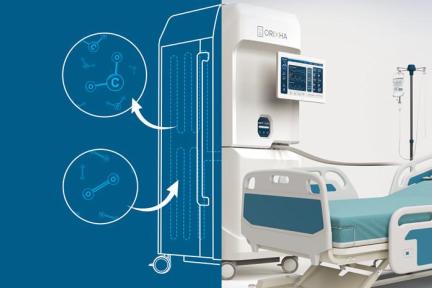
IF WE develop a safe liquid ventilation platform, can we save millions of patients’ lives in critical care?
3DEXPERIENCE Lab
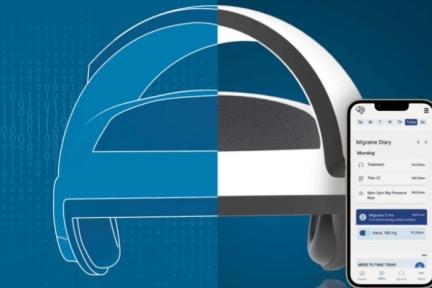
IF WE develop effective non-invasive brain stimulation at home, can we solve major brain health challenges?
3DEXPERIENCE Lab
IF WE bring accuracy to mental health diagnosis, CAN WE speed up appropriate care and avoid irreversible impacts?
3DEXPERIENCE Lab
IF WE combine biomaterials, tissue engineering and 3D printing technologies, can we create advanced surgical solutions for breast reconstruction?
3DEXPERIENCE Lab
Interested? Take your chance to elevate your project to the next level.