

Netri
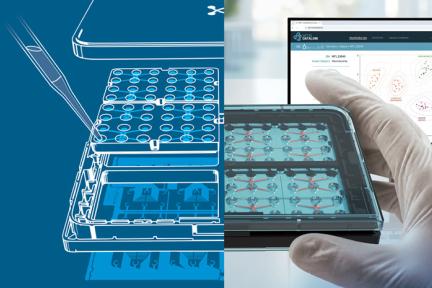
IF WE predict clinical outcome before clinical trials, can we speed up time to patient for a new drug?
3DEXPERIENCE Lab
IF WE can use precise, programmable bioelectronic implants to control aggressive tumours, Can we help patients live longer, with better quality of life?

The primary challenge addressed by Oncoelectronics is glioblastoma, a lethal form of brain cancer that kills more than 250,000 people each year. Despite aggressive treatments such as surgery, chemotherapy, and radiotherapy, the cancer almost always recurs because surgeons are unable to remove all cancer cells located at the tumor margins.
In addition, glioblastoma is considered “immunologically cold”, meaning that it is able to hide from the immune system. The blood–brain barrier also prevents most drugs and immune cells from reaching the remaining cancer cells after surgery.
Furthermore, the incidence of this cancer is increasing by approximately 9% per year, largely due to the aging population.
The disruptive idea behind the project is the development of the FloraVita device, a revolutionary technology that uses implantable, soft, and flexible bioelectronic electrodes to treat cancer.
Key features include:

The goal of Oncoelectronics is to significantly extend patient survival, potentially reaching more than 36 months, compared to the current average survival rate of around 15 months.
The technology also aims to improve patients’ quality of life by reducing the systemic burden of chemotherapy treatments.
The project aligns with the United Nations Sustainable Development Goals, particularly:
From an economic perspective, it could also help reduce global healthcare costs by introducing a more efficient treatment model based on Device-as-a-Service.
The project relies on several applications from the 3DEXPERIENCE platform to support different stages of development:
These tools help accelerate the development, validation, and regulatory processes of the medical device.
Oncoelectronics leverages collaborative and collective intelligence through several approaches:

Oncoelectronics is developing a breakthrough bioelectronic therapy designed to transform the treatment of aggressive cancers such as glioblastoma. Its implantable system uses soft, flexible electrodes to deliver targeted electrical stimulation directly to tumor sites, killing cancer cells and activating the immune response. By combining pulsed electric fields, sensors, and AI-driven precision therapy, the technology aims to improve survival rates and patients’ quality of life while enabling a more targeted and effective approach to cancer treatment
IF WE predict clinical outcome before clinical trials, can we speed up time to patient for a new drug?
3DEXPERIENCE Lab
IF WE can use precise, programmable bioelectronic implants to control aggressive tumours, Can we help patients live longer, with better quality of life?
3DEXPERIENCE Lab
IF WE put human in center of cancer therapy, can we secure access to cancer treatment in the future?
3DEXPERIENCE Lab
IF WE could enhance our nanomaterial stability, can we ensure long lasting reliable biosensor platform for the consistent performance in the clinical environment?
3DEXPERIENCE Lab
IF WE reimagine autoimmune and gut-immune care through a biology-first digital twin and expert system, CAN WE accelerate precision medicine and transform women’s health worldwide?
3DEXPERIENCE Lab
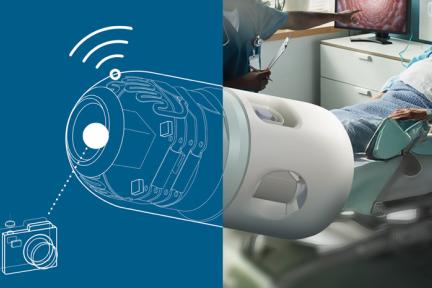
IF WE can create a pill-sized robot, CAN WE actually redefine medicine from the inside out?
3DEXPERIENCE Lab
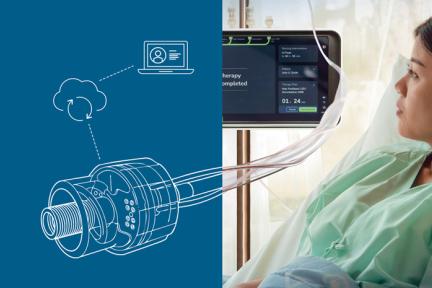
IF WE develop a safe liquid ventilation platform, can we save millions of patients’ lives in critical care?
3DEXPERIENCE Lab
IF WE develop effective non-invasive brain stimulation at home, can we solve major brain health challenges?
3DEXPERIENCE Lab
IF WE bring accuracy to mental health diagnosis, CAN WE speed up appropriate care and avoid irreversible impacts?
3DEXPERIENCE Lab
IF WE combine biomaterials, tissue engineering and 3D printing technologies, can we create advanced surgical solutions for breast reconstruction?
3DEXPERIENCE Lab
Interested? Take your chance to elevate your project to the next level.