

Netri
IF WE predict clinical outcome before clinical trials, can we speed up time to patient for a new drug?
3DEXPERIENCE Lab
IF WE simulate in 3D before surgery, could we reduce patient risk?
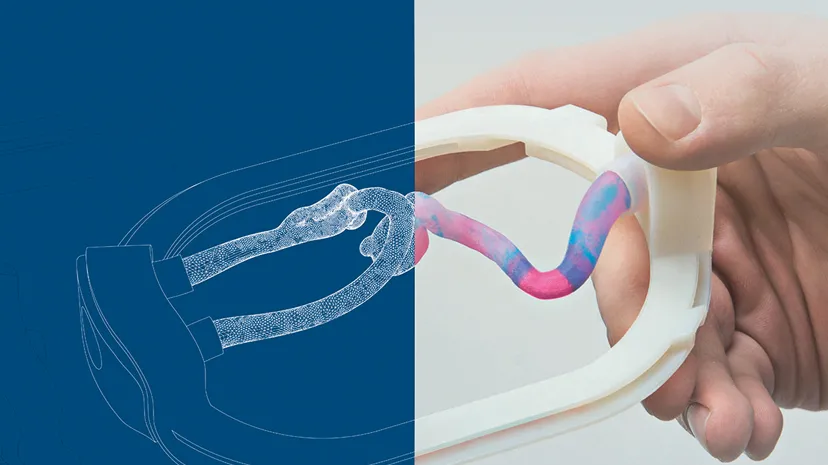
Medical errors are estimated to cause hundreds of thousands of deaths each year, highlighting the urgent need to rethink how medical professionals acquire knowledge and hands-on experience. Emerging technologies such as 3D printing and virtual simulation are opening new pathways to enhance training, improve treatment quality, and ultimately increase patient safety.
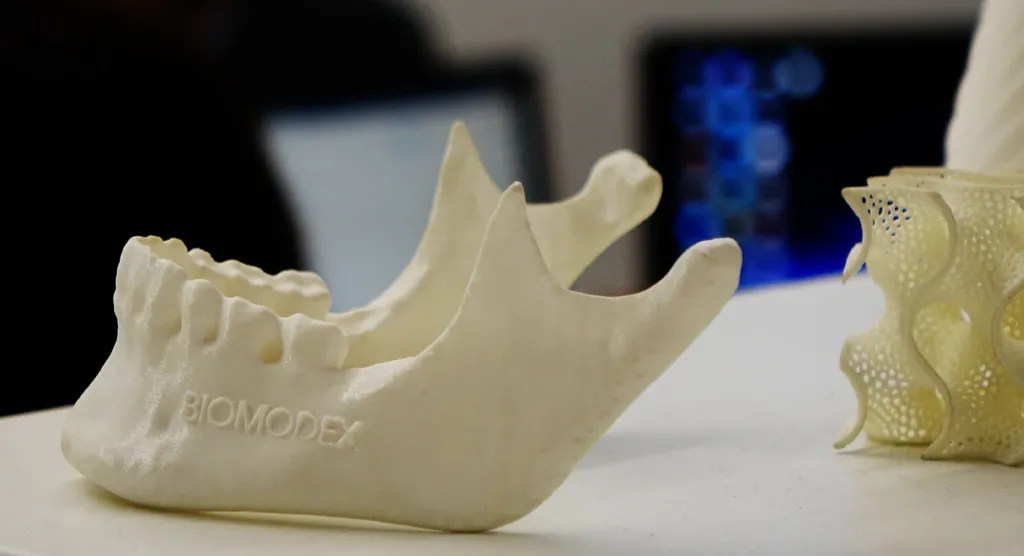
Biomodex’s mission is to use advanced software and 3D printers to fabricate cardiovascular and neurovascular life-like organs that can be used for medical training and pre-operative preparation to improve healthcare quality. Whereas other sectors have embraced 3D technology and simulation to optimize and predict real-life behavior, the medical industry has yet to fully take advantage of these advances, relying more on cadavers, mannequins and animals to revolutionize approaches to healthcare.
Biomodex targets three main areas:

Biomodex enables everyone to live in good health and promotes well-being at all ages. Their invention contributes to improving the safety of healthcare by allowing practitioners and medical students to gain knowledge and experience without putting patients at risk.
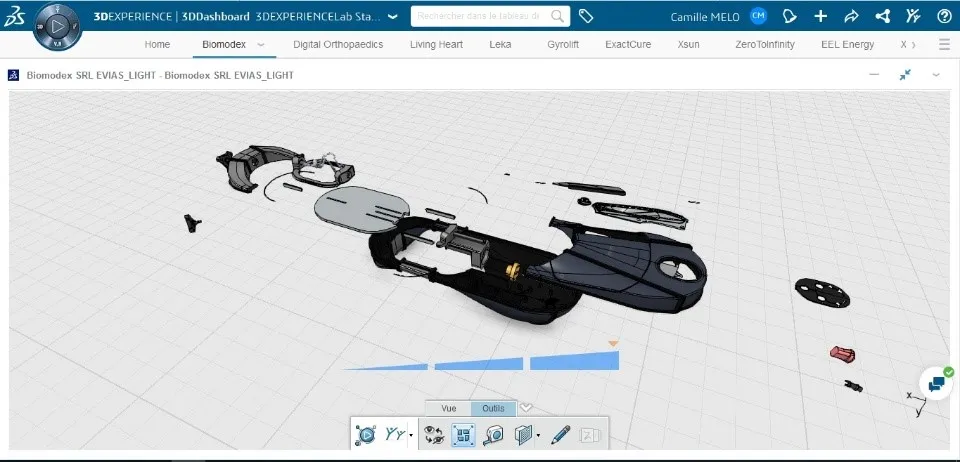
Founded by Thomas Marchand, a graduate of ESSEC, and Sidarth Radjou, a graduate of CentraleSupélec, Biomedical Modeling Expertise (Biomodex), based in Paris, covers the entire surgical value chain: from raw patient data obtained through CT scans or MRIs to the production of high-quality 3D-printed organs. The company works closely with medical experts to ensure the accuracy and fidelity of its model.
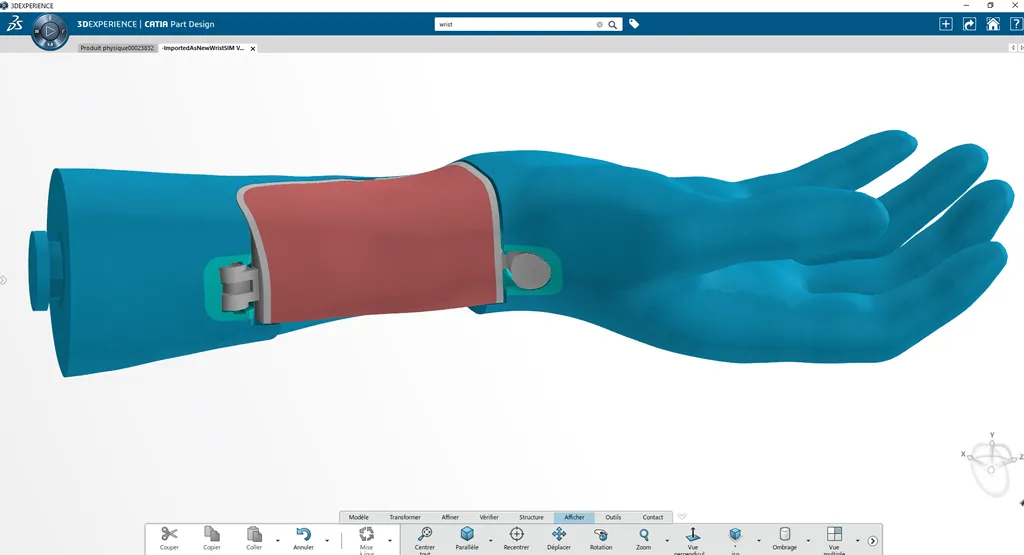

Biomodex develops advanced 3D-printed anatomical models that replicate patient-specific anatomy, allowing surgeons to rehearse complex procedures and improve training with lifelike tactile feedback
IF WE predict clinical outcome before clinical trials, can we speed up time to patient for a new drug?
3DEXPERIENCE Lab
IF WE can use precise, programmable bioelectronic implants to control aggressive tumours, Can we help patients live longer, with better quality of life?
3DEXPERIENCE Lab
IF WE put human in center of cancer therapy, can we secure access to cancer treatment in the future?
3DEXPERIENCE Lab
IF WE could enhance our nanomaterial stability, can we ensure long lasting reliable biosensor platform for the consistent performance in the clinical environment?
3DEXPERIENCE Lab
IF WE reimagine autoimmune and gut-immune care through a biology-first digital twin and expert system, CAN WE accelerate precision medicine and transform women’s health worldwide?
3DEXPERIENCE Lab
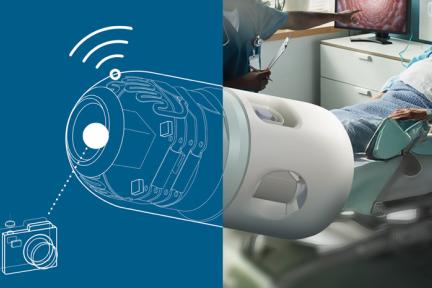
IF WE can create a pill-sized robot, CAN WE actually redefine medicine from the inside out?
3DEXPERIENCE Lab
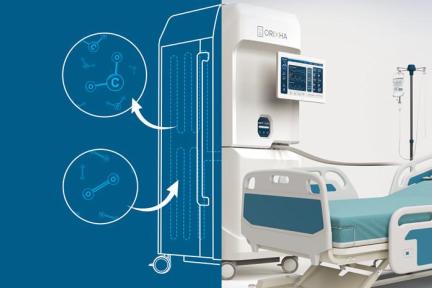
IF WE develop a safe liquid ventilation platform, can we save millions of patients’ lives in critical care?
3DEXPERIENCE Lab
IF WE develop effective non-invasive brain stimulation at home, can we solve major brain health challenges?
3DEXPERIENCE Lab
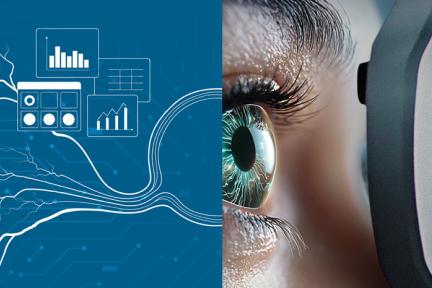
IF WE bring accuracy to mental health diagnosis, CAN WE speed up appropriate care and avoid irreversible impacts?
3DEXPERIENCE Lab
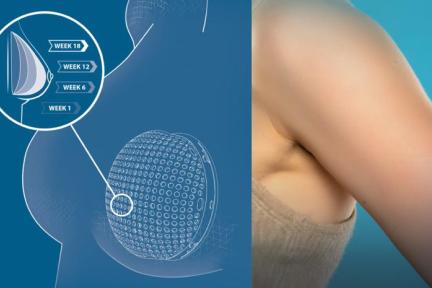
IF WE combine biomaterials, tissue engineering and 3D printing technologies, can we create advanced surgical solutions for breast reconstruction?
3DEXPERIENCE Lab
Interested? Take your chance to elevate your project to the next level.