Business for Biodiversity
Our well-being - along with that of the entire ecosystem - depends on biodiversity. And our economy is no exception.
Sustainability
How businesses can leverage virtual twin-powered strategies to protect biodiversity while unlocking new revenue streams.
The world is facing an accelerating biodiversity crisis driven by land use change, climate change, invasive species, overexploitation of resources and pollution. With 90% of biodiversity loss occurring at the start of the value chain, unsustainable production and resource extraction are exacerbating ecosystem decline and business risks tied to the cost of inaction. Businesses that continue unsustainable practices will face higher costs, fragile supply chains and declining consumer trust.
Adopting bio-circularity can help navigate the way forward in biodiversity conservation. It is a framework that enables businesses to extract and use natural resources sustainably, prioritizing reuse, recycling and design for natural regeneration. The World Economic Forum projects that bio-circular business models could unlock $10 trillion in value by 2030 through innovations such as refill systems, product-as-a-service models and closed-loop healthcare.
Leveraging digital solutions for biodiversity loss, such as the virtual twin, can accelerate this transition by helping companies assess their biodiversity impact and optimize bio-circular systems. Find out why the virtual twin is a proven solution for bio-circular success through our interactive infographic.
As a win-win bio-circular solution, the virtual twin enables the modeling of systems at different scales to optimize resource efficiency innovation at every stage of the lifecycle. It helps businesses close resource loops by connecting data from design to production and end-of-life, ensuring that each decision reduces impact on our biodiversity.
Through simulation and predictive analytics enabled by the virtual twin, companies can test how materials and energy are consumed, and how waste can be eliminated — all before making real-world changes. This not only accelerates innovation but also reduces the need for physical prototypes, cutting costs and human impact on biodiversity.
Discover how the virtual twin drives bio-circular transformation in our podcast series, as experts share insights on embedding bio-circularity into urban development, manufacturing and healthcare.
Learn how the industry can rethink R&D with the virtual twin to implement circular practices and reduce biodiversity impact for continuous medical innovation.

Explore how the virtual twin can help optimize lifecycle management through sustainable sourcing and eco design to unlock cost savings.

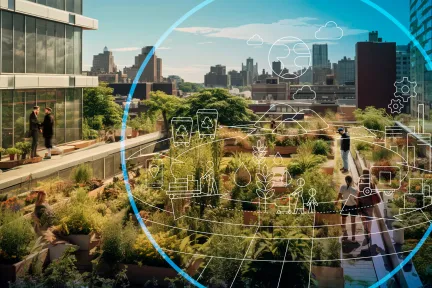
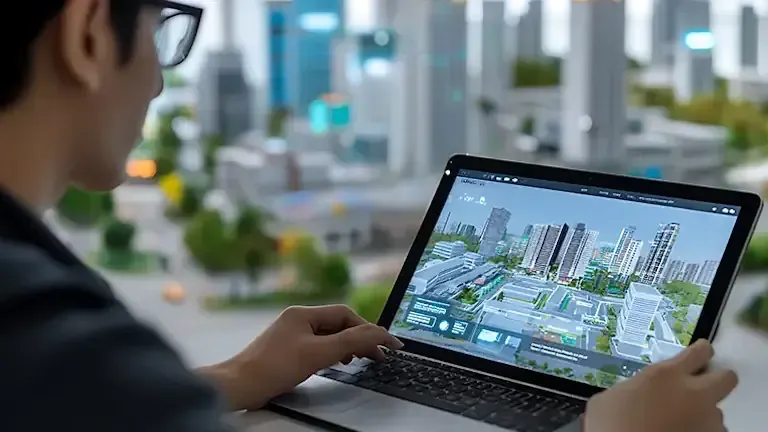
Discover how the virtual twin can be leveraged for smart urban planning to transform our cities for a resilient future.

By capturing the full picture of a business’ environmental and social impact, the virtual twin supports a reuse-reduce-recycle model that makes bio-circularity measurable, scalable and profitable. Across sectors of Infrastructure & Cities, Manufacturing, and Life Sciences & Healthcare, it helps businesses translate sustainability goals into tangible action while maintaining operational performance.
The built environment sector is among the most biodiversity-intensive sectors, impacting nearly 30% of ecosystem species¹. Overexploitation of resources and rising carbon emissions can be reversed with bio-circular strategies such as:
¹“Exploring nature-positive buildings” by The World Business Council for Sustainable Development (October 2024)
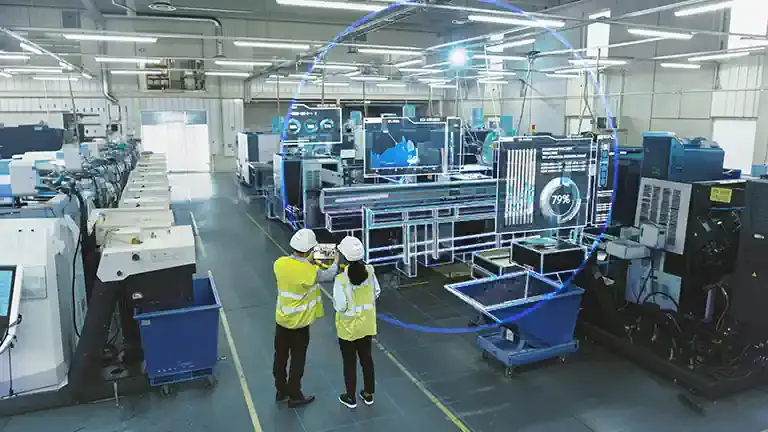
The manufacturing sector relies heavily on ecosystem services that provide clean water, air and raw materials. The sector's extractive, linear production model can be improved through bio-circular strategies such as:
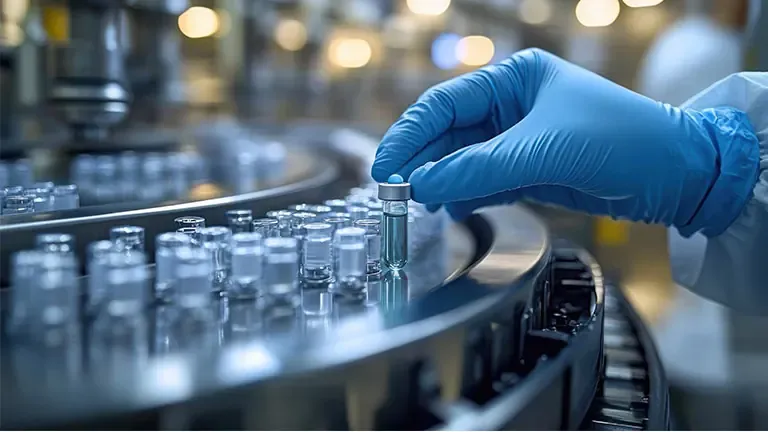
Around 80% of medicines are derived from or influenced by nature, making biodiversity essential to innovation in this sector. The threat of unsustainable sourcing and single-use products can be reversed with bio-circular strategies such as:
Adopt biodiversity-positive strategies to reduce material consumption, improve lifecycle management and minimize environmental impact across sectors of Infrastructure & Cities, Manufacturing, and Life Sciences & Healthcare.
Biodiversity conservation is now a business imperative. Achieving bio-circular success requires digital solutions that unite performance, compliance and environmental responsibility. With virtual twin technology, companies can transform how they source, produce and innovate, optimizing resource management to protect biodiversity. As a win-win bio-circular solution, it drives measurable impact and builds a resilient economy that benefits both nature and business growth.
Our well-being - along with that of the entire ecosystem - depends on biodiversity. And our economy is no exception.
Sustainability
Discover how circular economy practices can help businesses dare bold new business models that preserve environment for future generations.
Sustainability
It’s time for concerted action. Here’s how to make the circular economy achievable, scalable and profitable.
Sustainability