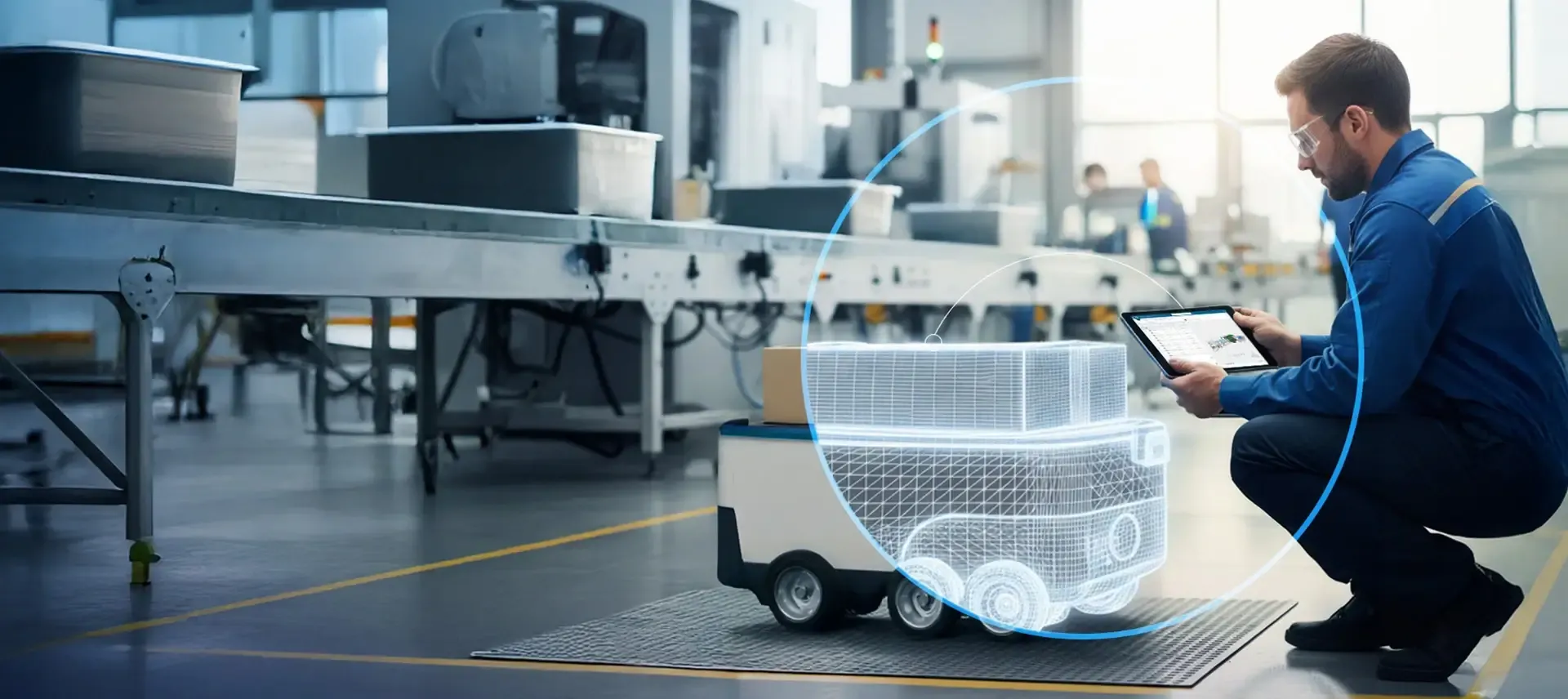
Collaborative Innovation and Robotics
The future of manufacturing is collaborative. Explore how Dassault Systèmes’ solutions fast-track the innovation required for a resilient shop floor.
Emerging Trends Reshaping Collaborative Innovation and Robotics
According to the International Federation of Robotics, the global market value of industrial robot installations has reached an all-time high of $16.7 billion. This surge is driven by a fundamental shift: Robotics is moving from isolated automation to collaborative innovation.
While traditional industrial robots pose as the high-speed muscle for heavy-duty tasks, a new generation of collaborative robots (cobots) and digital platforms is enabling these machines to work alongside humans more safely and intuitively than ever before. Let’s take a closer look at the following emerging trends driving this industrial evolution.
- AI-Driven Intelligence
- System Versatility
- Industrial Humanoids
- Safety and Governance
- Labor Redistribution
AI-Driven Autonomous Intelligence
As artificial intelligence (AI) transforms robotics from rigid execution tools to autonomous partners, machines are gaining the cognitive brain required for true collaboration. By processing massive datasets and detecting patterns in real time, these robotic systems enable predictive intelligence to anticipate mechanical failures before they occur on the shop floor. Through adaptive path planning, logistics robots can recalculate routes on the spot to safely avoid human workers.
This smart manufacturing evolution is further accelerated by generative training, which allows robots to master new tasks through simulation — a breakthrough that significantly lowers the technical barrier for human operators to teach and refine their robotic counterparts.
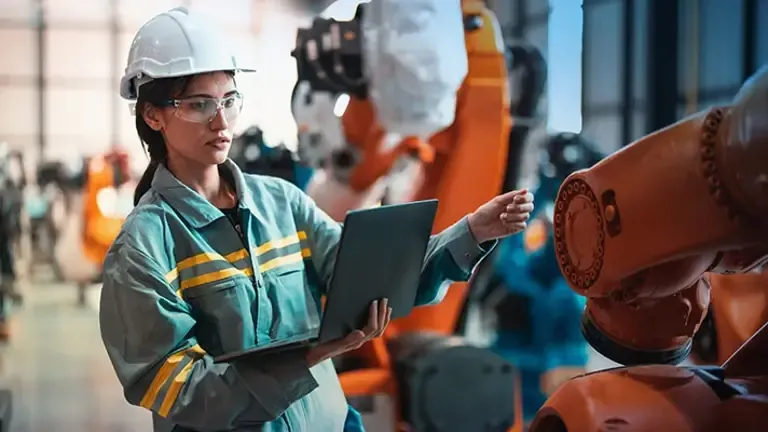
IT/OT Convergence and System Versatility
The convergence of information technology (IT) and operational technology (OT) in robotics is the digital glue of smart factories. By merging IT's data-processing power and OT's physical control capabilities, robotics gains a new level of versatility. The high-speed flow of data enables companies to optimize both heavy industrial arms and nimble cobots simultaneously on one unified digital platform. This seamless data flow between the digital and physical worlds ensures that intelligent automation is more adaptable and versatile than ever.
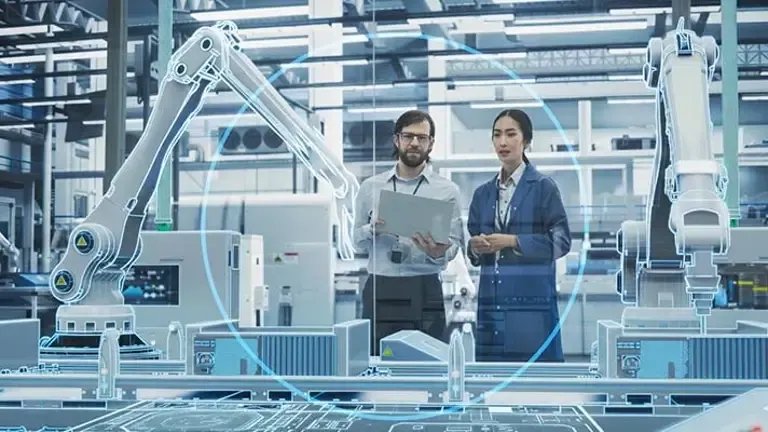
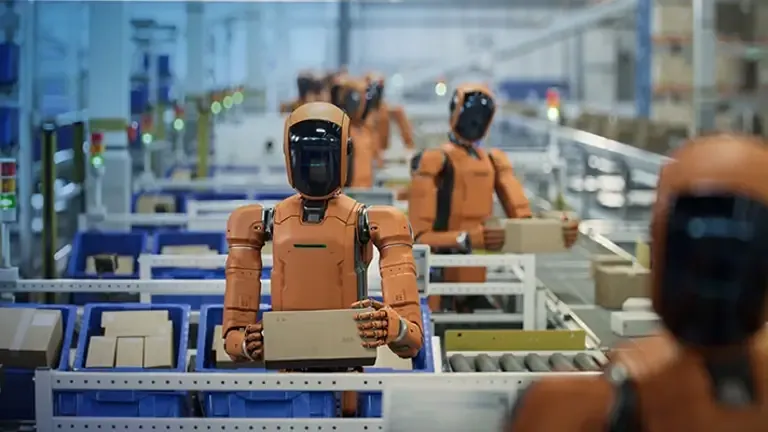
The Rise of Industrial Humanoids
Humanoid robots are the latest frontier in human-centric design. Designed to operate in environments built for humans, they offer a unique bridge between manual labor and full automation. To move beyond prototypes, humanoids are now being engineered to match industrial requirements for cycle times, energy consumption, safety, durability and consistent performance.
By achieving human-level dexterity, these collaborative robots can handle routine tasks in warehousing and automotive assembly, enabling human workers to transition into supervisory and automation specialist roles.
Cyber-Physical Safety and Governance
As robotic systems move into cloud-connected and AI-driven environments, cybersecurity becomes a critical concern. This is why collaborative innovation requires robust governance and clear assignment of liability. Modern robotic systems must comply with ISO safety standards. Clearly defined liability frameworks are also essential to manage the ethical and operational risks of AI-driven autonomy, ensuring that ‘collaborative’ always means ‘secure’.
Strategic Upskilling and Labor Redistribution
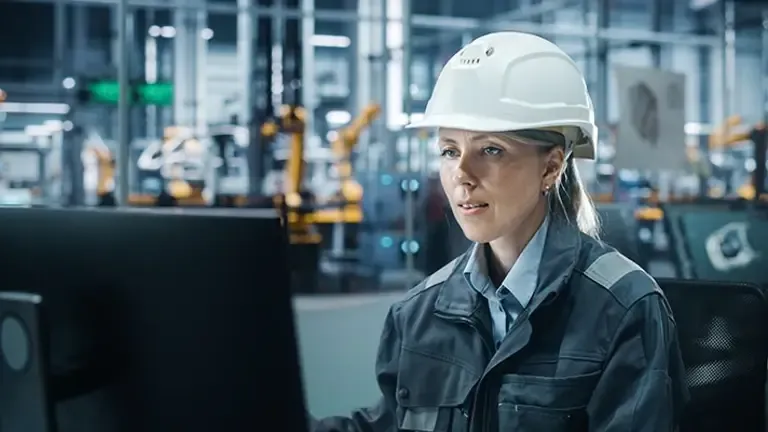
Collaborative innovation and robotics are shifting the automation takeover to augmentation. Rather than replacing humans, robotics is being deployed to solve the global scarcity of specialized talent. By offloading dull and dangerous routine tasks to robots, existing workers are upskilled into higher-paying roles, such as robotics implementers and system maintainers. On top of that, companies are increasingly adopting advanced robotics to make the manufacturing floor a technology-driven, attractive environment for the younger generation of digital natives.
Why Manufacturers Are Investing in Collaborative Robots

Productivity gains
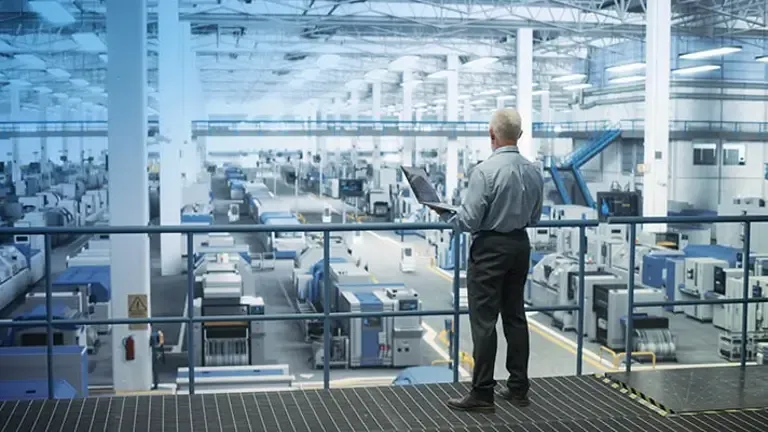
Optimizes cycle times by pairing human problem-solving with robotic consistency, maximizing total output

Safer work environments
Force-sensing technology stops robots instantly upon contact, ensuring safe interaction on the shop floor

Lower operational costs
Reduce labor bottlenecks, minimize rework and optimize resource utilization

Greater production flexibility
Enables quick redeployment across different tasks through intuitive, no-code programming interfaces

Stronger workforce resilience
Fills critical labor gaps by automating routine tasks, allowing humans to move into higher-value roles

Data-driven process optimization
Turn real-time operational data into actionable insights that improve efficiency and decision-making
The Business Value of Virtual Twins in Robotics Implementation
Mass customization and smart factory innovation at scale become achievable with virtual twins — the technology that de-risks and optimizes robotics before production begins. Here’s how Dassault Systèmes’ virtual twin capabilities translate knowledge and know-how into tangible business value on the shop floor.
Enhanced design and prototyping
Design, simulate and validate robotic systems virtually, reducing physical prototypes while optimizing configurations and performance before physical build.
Reduced implementation risk
Simulate real-world scenarios to identify potential collisions, inefficiencies or safety risks before deployment — cutting down costly errors and operational disruptions.
Improved collaboration
Virtual twins provide a shared digital environment that enables engineers, operators and managers to visualize system behavior, align decisions and move projects forward with greater clarity.
Optimized performance
Real-time monitoring and scenario testing allow robotic systems to be continuously analyzed and refined to perform efficiently under varying conditions.
Faster deployment, lower costs
Pre-validate systems virtually to reduce physical trials, rework, materials waste and integration time — accelerating implementation from design to operation while minimizing costs.
Predictive maintenance
Leverage sensor and IoT data to simulate wear and tear, forecast robotic component failures and enable predictive maintenance strategies.
Scalable automation
Model expansion scenarios in advance, such as adding robots or adjusting workflows, to ensure the system remains balanced and efficient as operations grow.
Accelerated skill development
Virtual twins’ safe, interactive environment allows operators and technicians to build skills and confidence before working with live robotic systems.
"In the past, we could only estimate cycle times based on our calculations and experience…With simulation, we’re far more accurate. We can show the customer how the robots will perform in the virtual world and the results end up being very close to the reality of physical production. There are no more surprises."