








Maxxis International by Cheng Shin Tire
Cheng Shin Tire uses MODSIM to innovate tire designs, materials, and compounds for next-gen mobility, driving competitive edge for its global Maxxis brand.
Customer Story
A well-defined EBOM ensures accuracy, efficiency and seamless collaboration across product development disciplines
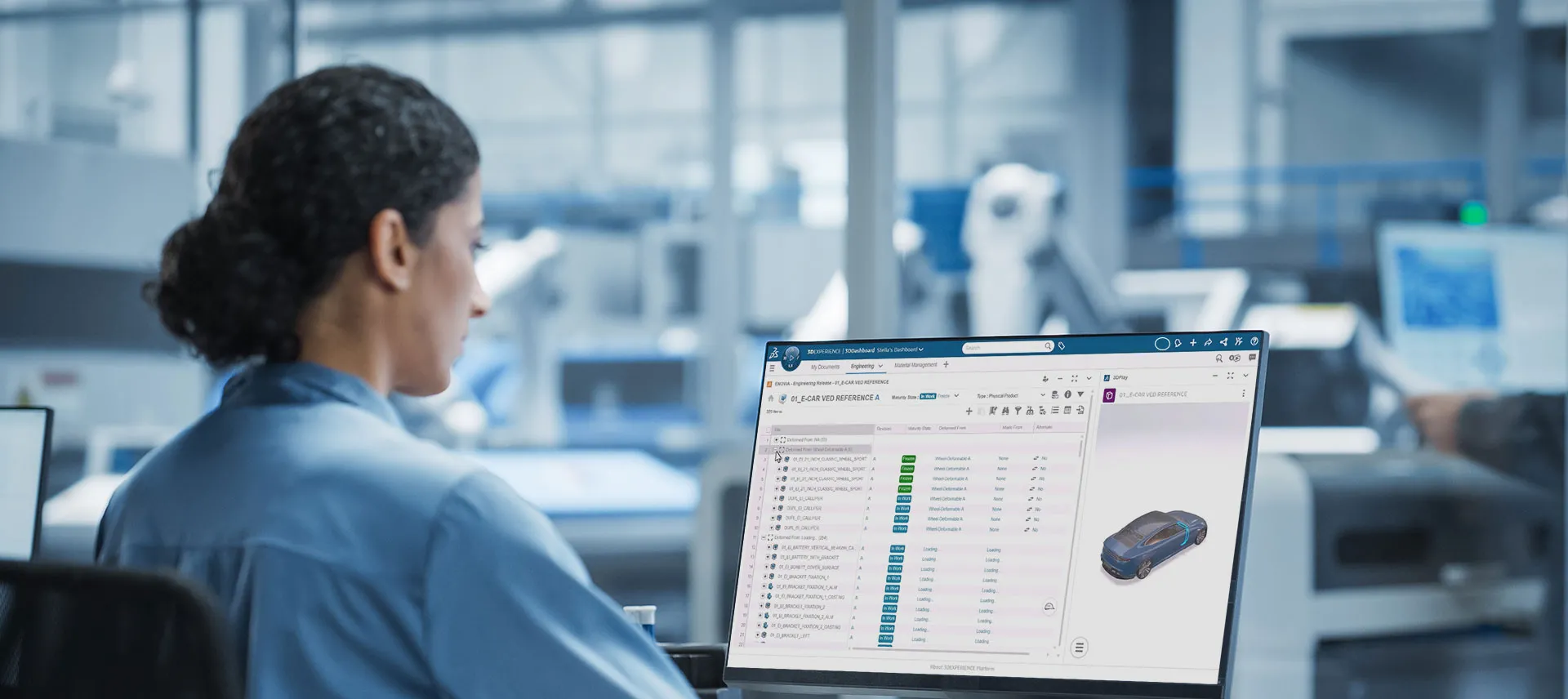
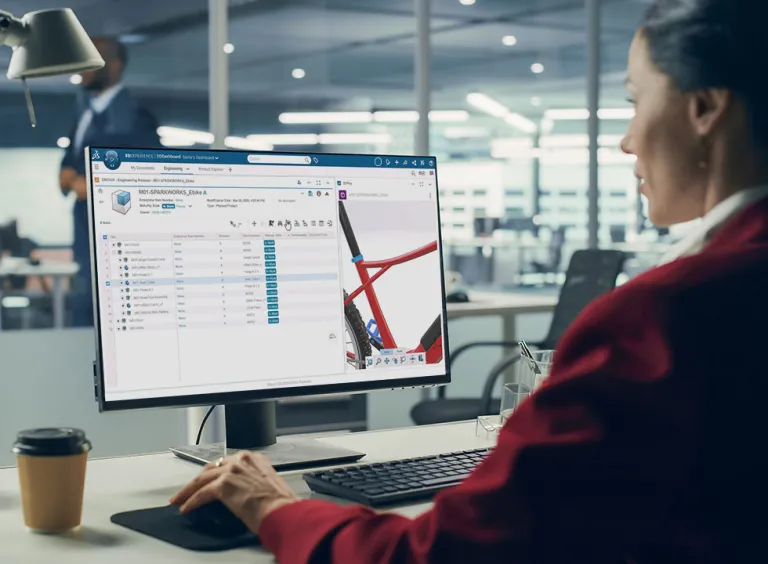
An Engineering Bill of Materials (EBOM) is a comprehensive product recipe structured from the design perspective, originating from engineering software such as computer-aided design (CAD) and electronic design automation tools. It encompasses raw materials, components, parts, subassemblies and interrelated data layers essential for product creation. Unlike a Manufacturing Bill of Materials (MBOM), an EBOM focuses on parts as they exist in the design sense, typically listing items from an engineering standpoint.
EBOM is essential for modern manufacturing because it clearly defines the product’s design intent, establishing the foundation for every downstream process. In today's complex manufacturing landscape, where supply chains span continents and time-to-market is critical, an accurate EBOM is indispensable for ensuring product quality, controlling costs and maintaining a competitive edge. The importance of EBOM in modern manufacturing cannot be overstated, as it forms the backbone of Product Lifecycle Management (PLM), driving efficiency and innovation across the entire production process.
List all parts, materials and assemblies with precise specifications.
Ensure exact quantities of each component required for production.
Reflect the engineering design to ensure the final product matches specifications.
Track revisions and updates to maintain version control and consistency.
Facilitate communication between engineering, procurement and manufacturing teams.
An EBOM plays a significant role in promoting sustainability in manufacturing. By providing a detailed view of product composition, it enables engineers and designers to identify opportunities for using more sustainable materials or optimizing resource usage. EBOM also supports efforts to improve product recyclability and reduce waste by facilitating the tracking of materials and components throughout the product lifecycle management.
The EBOM acts as a key reference for design teams, facilitating collaboration across disciplines. It helps track design changes, manage versions and assess modifications, enabling engineers to optimize product designs and drive innovation.
An EBOM helps streamline manufacturing by providing manufacturing items that are equivalent with the engineering items. This is the first step in manufacturing, as the manufacturing engineer can now begin building the MBOM based on the information from the EBOM.
An EBOM also contains information on alternates, along with their qualification level, helping to shorten sourcing cycle times and ensure reliable and on-track deliveries.
An EBOM supports supply chain management by providing a clear list of materials, allowing for more accurate forecasting and ordering. It helps negotiate better terms, reduce lead times and supports supplier diversification, leading to a more efficient and flexible supply chain.
Links directly to design software for seamless updates and accuracy.
Organizes components and sub-assemblies in a clear, structured format.
Tracks design revisions to ensure accuracy and consistency across updates.
The integration of EBOM with Virtual Twin technology is transforming PLM. Virtual Twin, a digital representation of a physical product or process, combined with EBOM, creates a powerful tool for simulating and optimizing products throughout their lifecycle. This synergy enables real-time collaboration across teams and locations, facilitating rapid design iterations and improvements.
The EBOM-Virtual Twin combination also enhances predictive maintenance capabilities, as the digital model can be updated with real-world performance data, leading to more efficient and sustainable product operations.
Uncover the Value of 3DEXPERIENCE-based EBOM Creation and Management
With several sister companies already using Dassault Systèmes’ technology, CNBM Triumph Robotics naturally chose to implement the 3DEXPERIENCE platform, adopting ENOVIA to support project management, PLM standardization and centralized knowledge banks.
The 3DEXPERIENCE platform offered a holistic solution, with diverse modules covering all aspects of our digital scenarios. This is very appealing to us.
Cheng Shin Tire uses MODSIM to innovate tire designs, materials, and compounds for next-gen mobility, driving competitive edge for its global Maxxis brand.
Customer Story
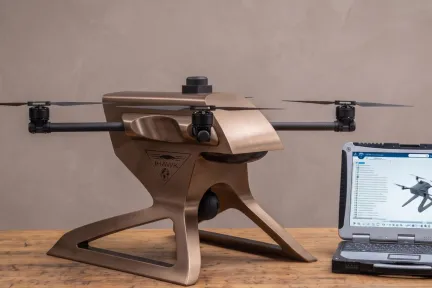
iHawk Global redefines container yard visibility with autonomous drones and ground robots which are designed using a simulation-first approach on the 3DEXPERIENCE platform.
Customer Story
Blue Spirit Aero uses the 3DEXPERIENCE platform to develop Dragonfly, a hydrogen-powered aircraft, with Virtual Twins for design, simulation, and certification.
Customer Story
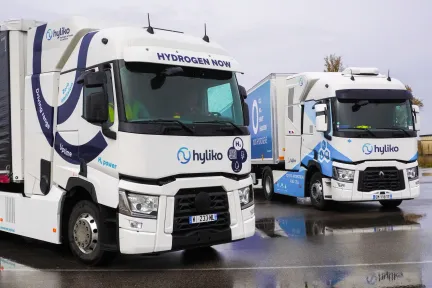
Discover how Hyliko uses the 3DEXPERIENCE platform to design, simulate and scale hydrogen trucks for zero-emission long-haul freight.
Customer Story
Dive into the content below to see how PLM solutions can support your business.
With Business Experiences, access ready-to-use environments for the 3DEXPERIENCE platform on the cloud designed to unite diverse stakeholders around shared goals
E-seminar
Explore how ENOVIA's Advanced Product Quality Planning (APQP) solutions ensure compliance, enhance traceability and foster cross-functional collaboration.
E-seminar
Discover how the 3DEXPERIENCE platform seamlessly integrates engineering and manufacturing to enhance efficiency and collaboration.
E-seminar
Enhance product innovation and accelerate market delivery through effective collaboration
Streamline data integration, enhance operational efficiency and ensure compliance across the organization
Navigate product quality and compliance confidently with essential insights to maintaining standards and fulfilling regulatory demands
Define clear objectives and prioritize actions to ensure sustainable growth and competitive advantage
Speak with an ENOVIA expert to learn how our solutions enable seamless collaboration and sustainable innovation at organizations of every size.
Courses and classes are available for students, academia, professionals and companies. Find the right ENOVIA training for you.
Find information on software & hardware certification, software downloads, user documentation, support contact and services offering.