

Future Box
An interactive exhibition where technology meets humanity – and visitors shape the conversation
3DEXPERIENCE Lab
IF WE build a battery technology free from toxic and scarce elements, CAN WE revolutionize what it means to power a sustainable future?
The main challenge addressed by Flint lies in accelerating the global transition toward green energy, at a time when 84% of the world’s power still depends on fossil fuels. Over the past twenty years, only 2% of global energy production has shifted to renewable sources.
A key barrier to this transition is energy infrastructure, particularly battery technology. Today’s batteries are toxic, expensive, and reliant on rare materials such as lithium and cobalt. Recycling processes are inefficient and energy-intensive, while safety risks like overheating and chemical leaks remain a concern.
The question Flint seeks to answer is whether it is possible to design a battery technology that is entirely free from toxic and scarce elements, and in doing so, redefine how we power a sustainable future.
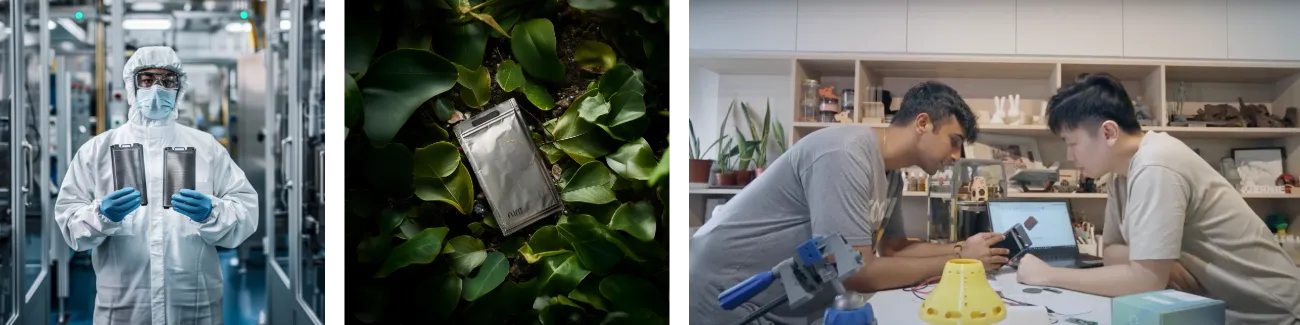
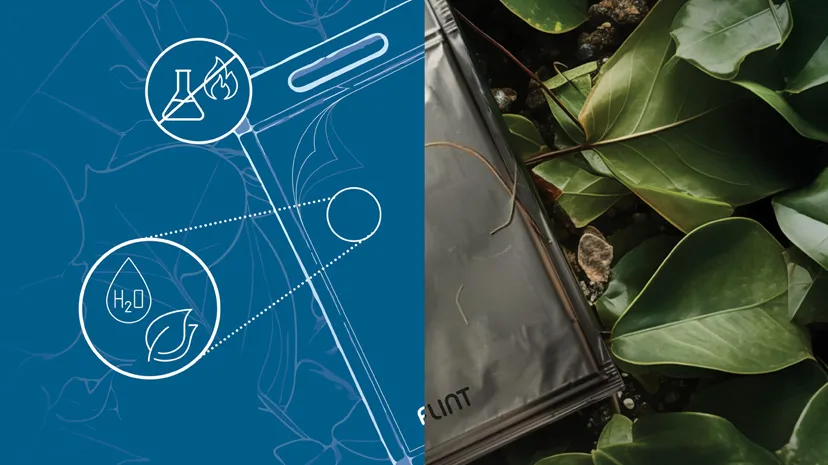
Flint has created a new class of paper batteries that store energy using natural materials instead of toxic or scarce elements. The design uses engineered cellulose reinforced with a hydrogel that functions as both separator and electrolyte, paired with zinc and manganese for safe and stable performance. The battery is water-based, fire safe, leak-proof, and remains functional even when cut. It composts within six weeks and produces no harmful waste.
Because it relies on abundant materials and low-temperature, water-based manufacturing, it is far cheaper and easier to scale than conventional batteries. This approach enables clean, accessible energy storage for consumer electronics, smart packaging, sensors, and larger systems, all without the environmental cost of today’s battery chemistry.
Flint’s technology directly supports multiple UN Sustainable Development Goals (SDGs):
Flint has already demonstrated working prototypes, validated performance with early partners, and continues to advance toward commercial pilots.

To accelerate design, simulation, and production, Flint leverages the 3DEXPERIENCE platform across multiple domains:
Flint thrives on collaboration. The team brings together experts in electrochemistry, materials science, product design, and systems engineering to turn ideas into real-world solutions.
Externally, they work with partners across consumer electronics, EVs, aerospace, smart packaging, toys, and grid-level storage to commercialize our technology and accelerate the global shift to clean energy.
Through its engagement with the 3DEXPERIENCE Lab ecosystem, Flint connects with a global network of innovators who share a collective mission to drive sustainable progress.
Flint is developing a next-generation battery made entirely from natural and abundant materials, designed to transform how the world stores energy. Its paper battery is fully rechargeable and water-based yet built from plant-derived cellulose and non-toxic materials. At end-of-life, it composts naturally within weeks, eliminating the environmental burden of traditional batteries.
An interactive exhibition where technology meets humanity – and visitors shape the conversation
3DEXPERIENCE Lab
IF WE engineer maglev-electric propulsion technology, can we revolutionize air travel?
3DEXPERIENCE Lab
An immersive fulldome film where artificial intelligence questions itself – and us
3DEXPERIENCE Lab
IF WE transform Tesla’s visionary patents into shared 3D experiences, CAN WE collectively unlock the invisible forces of electromagnetism and inspire a new generation of inventors?
3DEXPERIENCE Lab
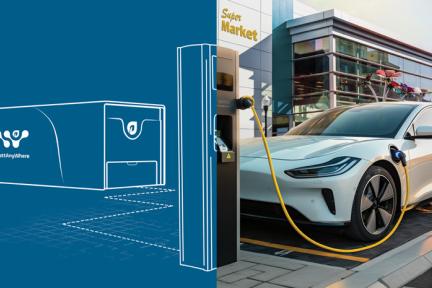
IF WE develop clean electricity generators from renewable energy, CAN WE ensure that the retail industry accelerate their energy transition?
3DEXPERIENCE Lab
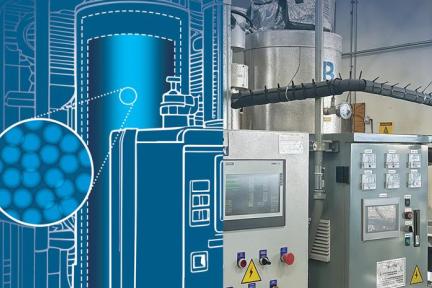
IF WE reduce the complexity and cost of carbon capture, can we transform carbon neutrality from a cost center to a revenue stream?
3DEXPERIENCE Lab
IF WE can open a package without opening it, can we reduce global liquid waste?
3DEXPERIENCE Lab
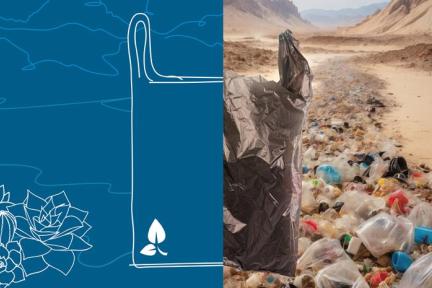
IF WE develop zero carbon materials at scale, can we eradicate the world of plastic pollution?
3DEXPERIENCE Lab
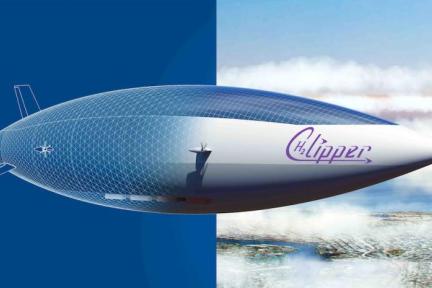
If we can create a Pipeline in the Sky™ for transporting hydrogen from where it’s produced to where it’s most needed and transport freight 100% carbon-free for less than the cost of today’s air freight, can we ensure that we achieve CO2-reduction targets by 2050?
3DEXPERIENCE Lab
Interested? Take your chance to elevate your project to the next level.