



디지털 적층 가공 시뮬레이션이란 무엇입니까?

디지털 적층 가공(DAM)은 재료를 추가하여 부품이나 물체를 층층이 쌓아가는 방식으로 제작하는 고급 제조 공정입니다. 선삭, 드릴링, 밀링 등 기존의 절삭 제조 방법에서는 원하는 모양을 만들기 위해 재료를 제거하는 방식으로 작업을 진행합니다. 이와는 대조적으로 적층 기법은 3D 프린팅 기술을 사용하여 디지털 모델에서 직접 구성품을 개발합니다.

디지털 적층 가공은 어떻게 작동합니까?

디지털 적층 가공에서 부품 또는 제작 베드의 DMU(Digital MockUp)가 생성됩니다. 여기에는 다음이 포함됩니다.

  • 3차원 CAD 표현: 의도된 최종 제품을 묘사한 기하학적 디자인.
  • 제작 프로세스 표현: 재료 압출, 재도장, 스캔 경로, 에너지 증착을 포함한 방법론에 대한 상세한 설명.

전체 프로세스는 디지털 방식으로 관리되며, 그 결과 디지털 스레드는 기계 코드로 변환되어 제조 과정에서 기계가 따라야 하는 특정 명령을 제공합니다.


시뮬레이션이 디지털 적층 가공에 어떤 도움을 주고 있습니까?

적층 가공(AM)은 독특한 과제를 안고 있지만, 시뮬레이션은 이러한 장애물을 혁신의 기회로 바꾸어 줍니다.

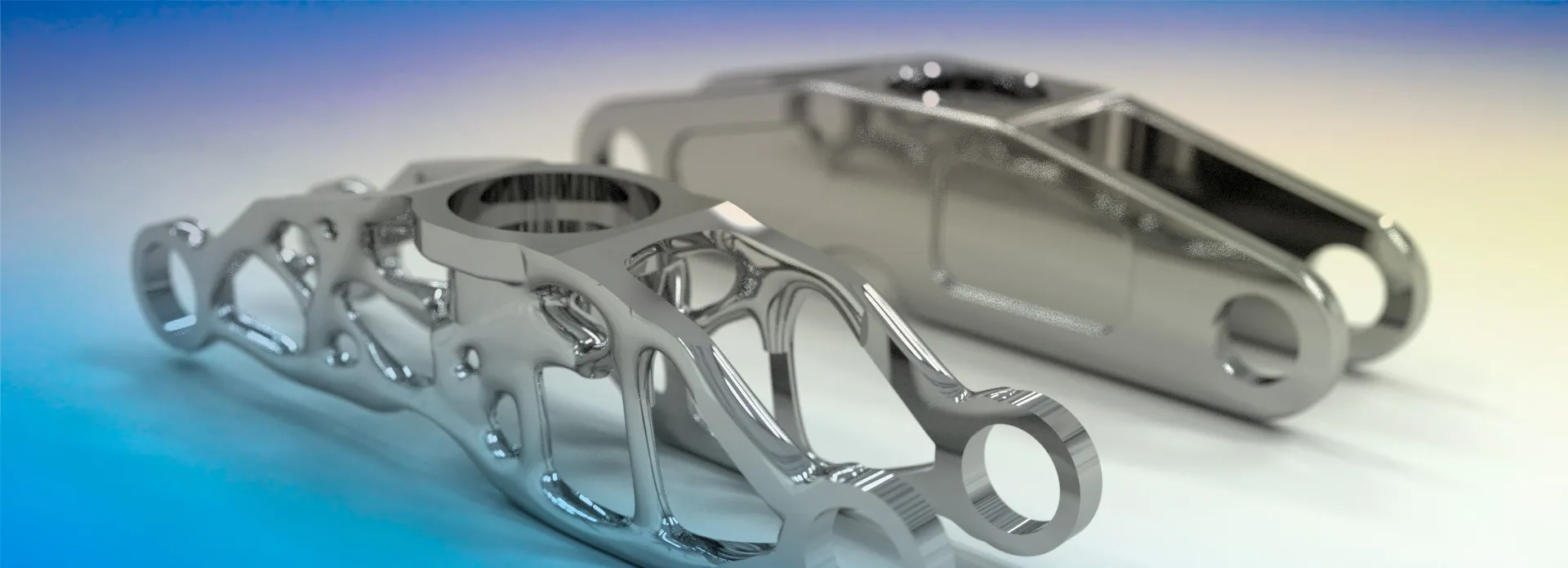
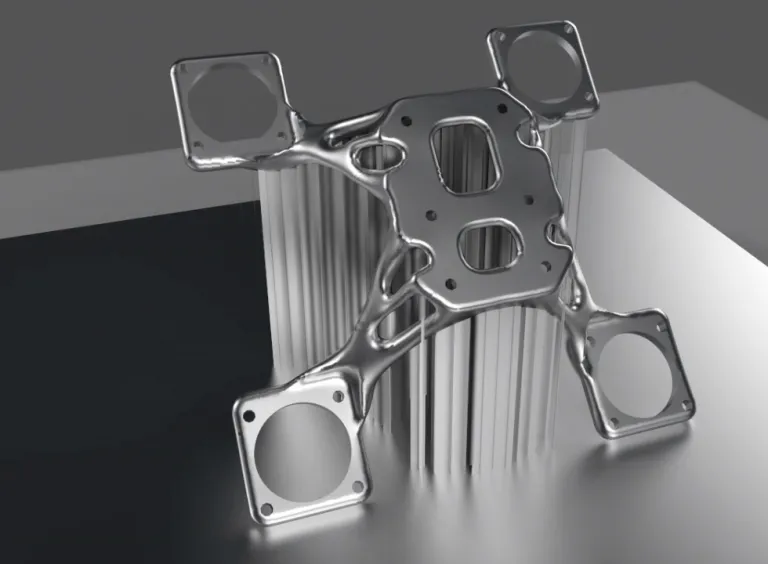
  • 설계 최적화: 적층 가공의 설계 자유도는 새로운 패러다임을 요구합니다. 시뮬레이션은 최적의 양식을 탐색하는 동시에 제조 실패를 방지하기 위해 지원 구조가 효과적으로 통합되도록 합니다.
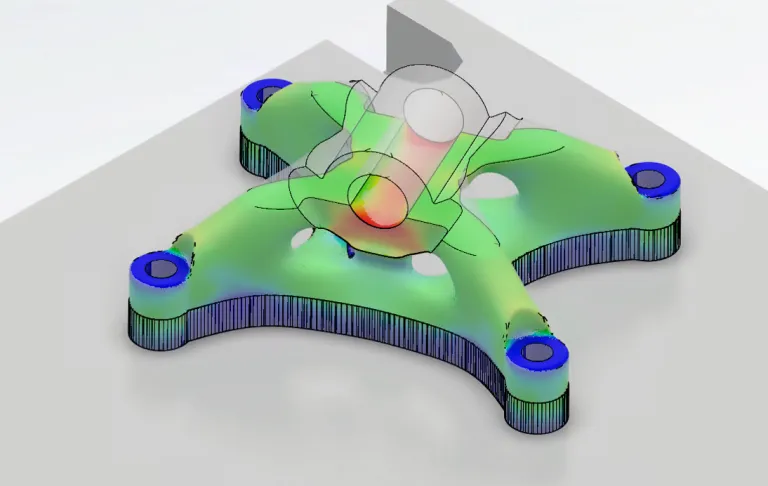
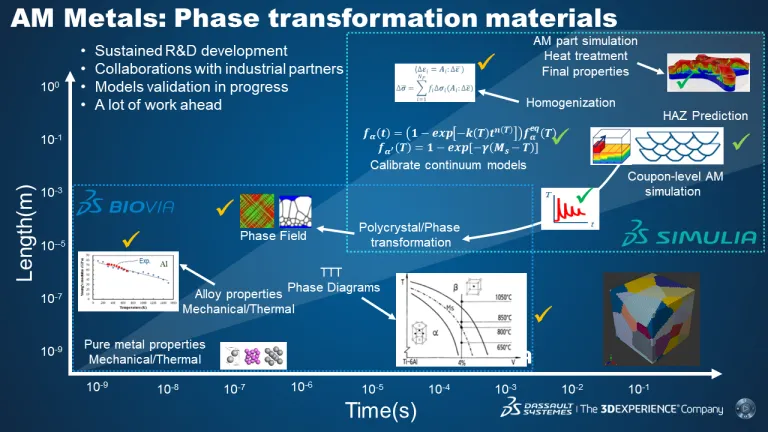
  • 성능 이해: 화학 반응 및 열 공정에 의해 발생하는 단계 변화는 제품 성능에 큰 영향을 미칩니다. 시뮬레이션을 통해 제조 과정에서 발생할 수 있는 잔류 응력 및 왜곡을 예측하여 전반적인 신뢰성을 향상시킬 수 있습니다.
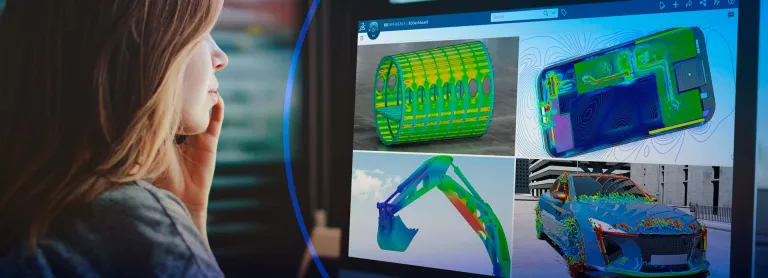
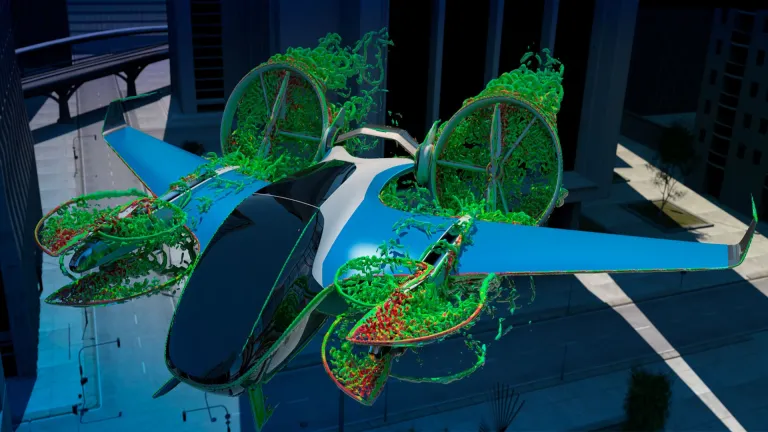
  • 성공을 위한 고급 도구: 유한 요소 해석 및 전산유체역학 등의 시뮬레이션 기술은 가상 프로세스 테스트 및 제품 역설계를 지원합니다. 이러한 도구는 설계와 생산을 개선하는 중요한 통찰력을 제공합니다.
  • 효율 확보: 제조업체는 시뮬레이션 기능을 사용하여 개발 주기를 단축하고 비용을 절감하며 의사결정을 개선할 수 있습니다. 잠재적 문제를 예측하고 해결하는 능력은 프로그램 위험을 완화시키고 고품질 결과를 보장합니다.

적층 가공 시뮬레이션의 주요 이점

재료 절감

폐기물을 최소화하고 고급 재료(예: TPU 필라멘트, 금속 초합금)를 활용합니다.

설계 유연성

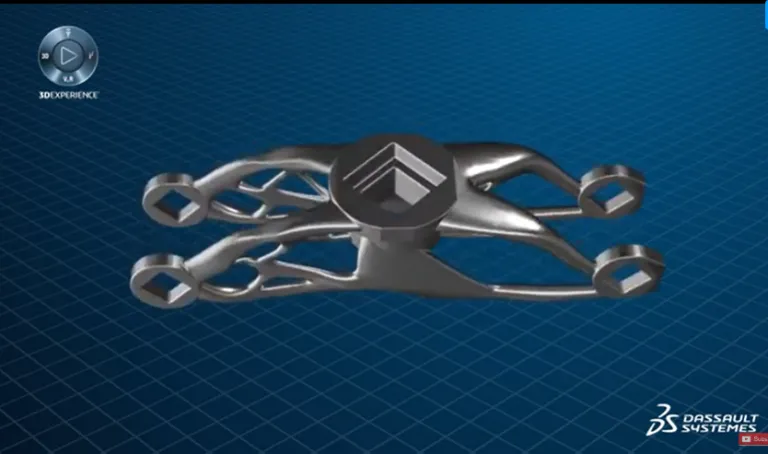
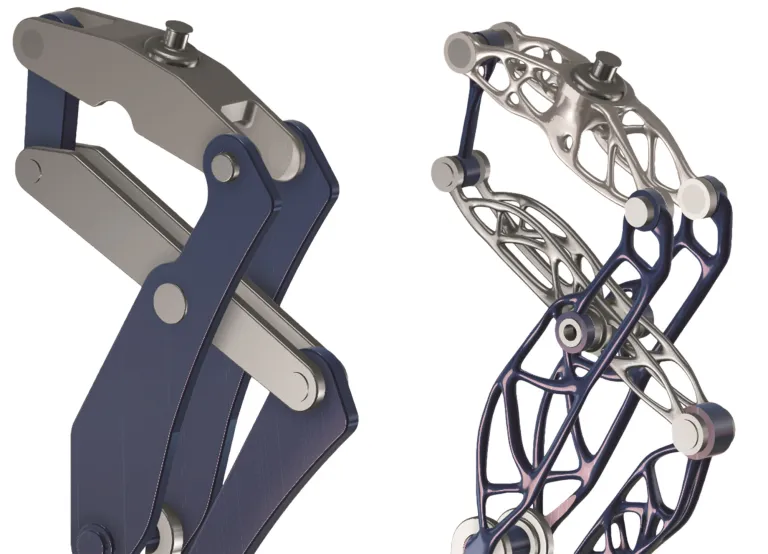
생성형 설계 기술을 사용하여 복잡한 형상과 경량 구조를 만듭니다.

프로세스 간소화

여러 부품을 하나의 파트로 통합하여 조립 시간과 비용을 절감합니다.

지속 가능성 향상

친환경적인 제조 방식을 장려합니다.

3DEXPERIENCE 플랫폼을 통한 협업 개선

디지털화는 설계를 선형적인 프로세스에서 협업 프로세스로 전환하여 시장 출시 시간과 비용을 최소화합니다. Collaborative Engineering은 제품 라이프사이클 전반에 걸쳐 효율적인 콘텐츠 공유를 강조합니다. 

DfAM(Design for Additive Manufacturing)은 생성형 설계 및 토폴로지 최적화를 활용하여 새로운 기회를 창출하는 다분야 접근 방식을 포함합니다. 시뮬레이션을 통한 가상 테스트는 제조 프로세스 및 설계 사양과 밀접하게 연계된 고장 예측 가능성 및 구축 후 제품 성능에 대한 중요한 통찰력을 제공합니다.

3DEXPERIENCE 플랫폼은 여러 분야에 걸쳐 원활한 데이터 통합을 지원하고, 컨텐츠 라이프사이클 관리를 지원하며, 협업 엔지니어링 환경을 구축합니다. 효과적인 콘텐츠 라이프사이클 관리, 성숙도 및 강력한 데이터 조직은 문제 해결, 변경 관리, 라우팅 및 테스트를 개선하여 생산적인 협업 환경을 조성합니다.

적층 가공 디지털 스레드

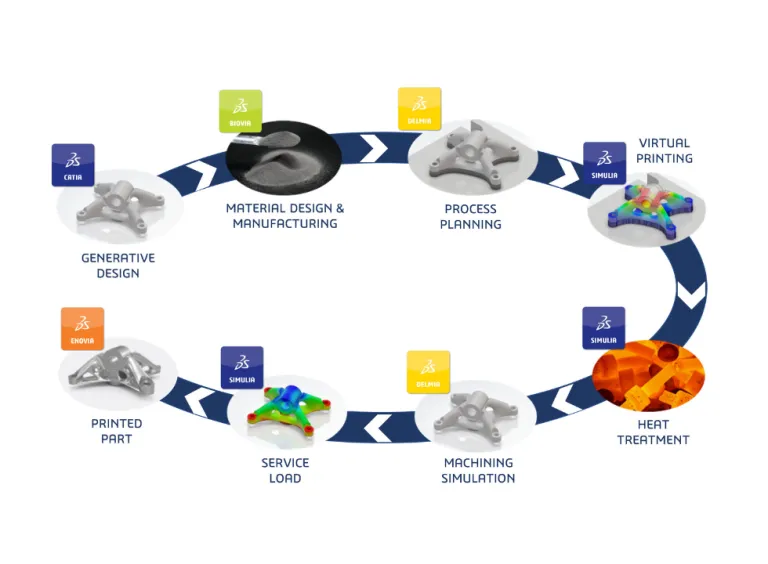
다쏘시스템은 제품 설계부터 제조 및 시뮬레이션에 이르기까지 모든 분야를 연결하여 적층 가공 기술의 기능을 극대화할 수 있는 통합 응용 프로그램 포트폴리오를 제공합니다. 3DEXPERIENCE 플랫폼은 디지털 제품 개발의 모든 측면을 다루는 다양한 고급 역할과 강력한 응용 프로그램을 제공합니다. 3DEXPERIENCE 플랫폼이 제공하는 디지털 스레드는 아래 탭에 강조된 것처럼 강력하고 직관적인 애플리케이션 간의 긴밀한 연결을 보장합니다.

3DEXPERIENCE Marketplace

3DEXPERIENCE Make는 설계자와 엔지니어를 산업 제조 서비스 공급자와 연결하는 온디맨드 제조 플랫폼입니다. 이 플랫폼은 설계자, 엔지니어, 구매 담당자, 생산 계획 담당자 등 산업 에코시스템의 주요 구성원들을 Xometry, Sculpteo, American Additive, Get It Made, Any-Shape 등 산업 제조 서비스 제공업체와 연결합니다. 

강력한 알고리즘을 통해 3D 인쇄 및 CNC 기계 가공 프로젝트를 위한 서비스 공급업체 네트워크에서 몇 초 만에 견적을 받을 수 있습니다.

프로세스 설계 및 생산 계획

3DEXPERIENCE 플랫폼의 제작 애플리케이션은 적층 솔루션 및 기계와 관련된 생산 설계 및 계획, 생산 프로세스를 위한 가이드 워크플로를 제공합니다. 빌드 볼륨 및 플레이트를 생성하거나 재사용하는 것으로 시작하여, 부품 자동 배열을 통해 빌드 볼륨 사용률을 극대화하고, 최적의 부품 방향을 평가하기 위한 규칙을 캡처 및 재사용하며, 최소 지지 구조를 계산합니다. 전체 빌드 또는 개별 부품에 대한 슬라이싱, 스캔 패턴 및 프로세스 파라미터에 대한 사용자 지정 규칙을 지정합니다. 진단 검사를 위한 스캔 경로를 시각화하고 다운스트림 가상 인쇄 시뮬레이션 및 연구에서 프로세스 데이터를 재사용합니다.

고객 사용 후기

고객의 말을 경청합니다. 동영상을 확인해보세요.

지금 바로 시작하기

디지털 적층 가공의 세계가 변화하고 있습니다. SIMULIA를 통해 한발 앞서 나가는 방법을 알아보세요.

적층 가공 리소스

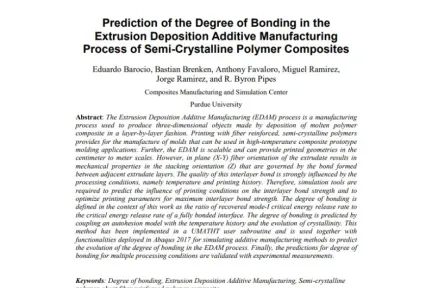
Prediction of the Degree of Bonding in the Extrusion Deposition Additive Manufacturing Process of Semi-Crystalline Polymer Composites

The Extrusion Deposition Additive Manufacturing (EDAM) process is a manufacturing process used to produce three-dimensional objects made by deposition of molten polymer composite in a layer-by-layer fashion. Printing with fiber reinforced, semi-crystalline polymers provides for the manufacture of molds that can be used in high-temperature composite prototype molding applications. Further, the EDAM is scalable and can provide printed geometries in the centimeter to meter scales. However, in plane (X-Y) fiber orientation of the extrudate results in mechanical properties in the stacking orientation (Z) that are governed by the bond formed between adjacent extrudate layers. The quality of this interlayer bond is strongly influenced by the processing conditions, namely temperature and printing history.

Customer Papers
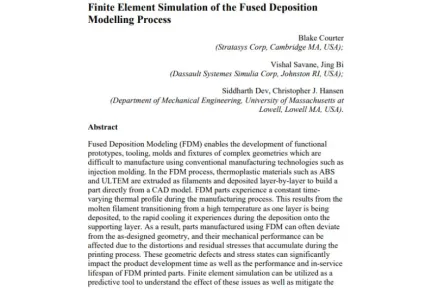
Finite Element Simulation of the Fused Deposition Modelling Process

In this paper, the commercial finite element software package Abaqus is used to simulate the FDM process. A Mobius arm part is used to illustrate the simulation procedure and a sequentially coupled thermo-mechanical analysis is performed. The heat transfer analysis calculates the temperature history which is mapped onto and used to predict residual stress and potential part distortion in the subsequent structural analysis. The tool path patterns dictate how material is progressively added to the part during the build and directly influence the accumulation of residual stresses within the part. Independent tool path events are characterized using event series data such as time, location and bead cross-sectional area.

Community News

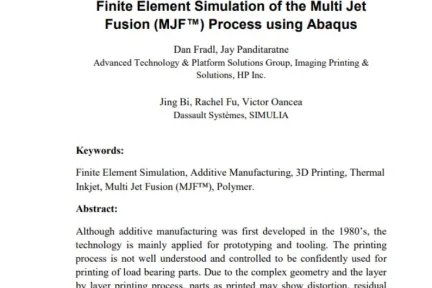
Finite Element Simulation of the Multi Jet Fusion Process using Abaqus

Although additive manufacturing was first developed in the 1980’s, the technology is mainly applied for prototyping and tooling. The printing process is not well understood and controlled to be confidently used for printing of load bearing parts. Due to the complex geometry and the layer by layer printing process, parts as printed may show distortion, residual stress, delamination and failure that render the part unusable at the moment that it comes out of the machine. Finite element simulations of additive manufacturing can be very effective in understanding the cause of these defects and predicting the in-service performance of the printed parts. However, most finite element codes are not designed for simulating additive manufacturing processes.

Customer Papers

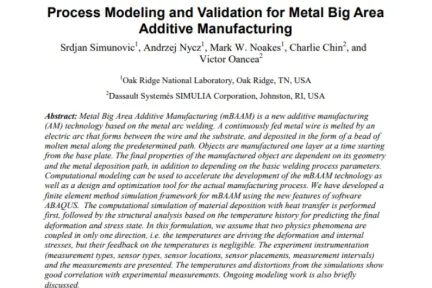
Process Modeling and Validation for Metal Big Area Additive Manufacturing

Metal Big Area Additive Manufacturing (mBAAM) is a new additive manufacturing (AM) technology based on the metal arc welding. A continuously fed metal wire is melted by an electric arc that forms between the wire and the substrate, and deposited in the form of a bead of molten metal along the predetermined path. Objects are manufactured one layer at a time starting from the base plate. The final properties of the manufactured object are dependent on its geometry and the metal deposition path, in addition to depending on the basic welding process parameters.

Customer Papers

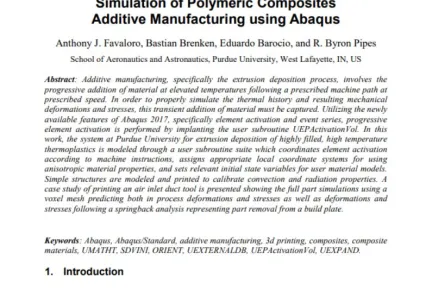
Simulation of Polymeric Composites Additive Manufacturing using Abaqus

Additive manufacturing, specifically the extrusion deposition process, involves the progressive addition of material at elevated temperatures following a prescribed machine path at prescribed speed. Utilizing the newly available features of Abaqus 2017, specifically element activation and event series, progressive element activation is performed by implanting the user subroutine UEPActivationVol. In this work, the system at Purdue University for extrusion deposition of highly filled, high temperature thermoplastics is modeled through a user subroutine suite which coordinates element activation according to machine instructions, assigns appropriate local coordinate systems for using anisotropic material properties, and sets relevant initial state variables for user material models.

Customer Papers

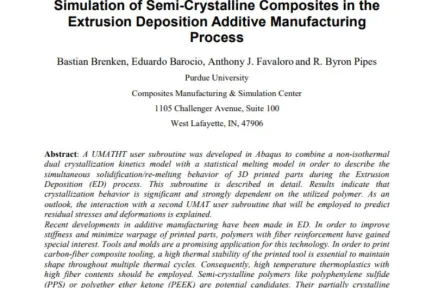
Simulation of Semi-Crystalline Composites in the Extrusion Deposition Additive Manufacturing Process

A UMATHT user subroutine was developed in Abaqus to combine a non-isothermal dual crystallization kinetics model with a statistical melting model in order to describe the simultaneous solidification/re-melting behavior of 3D printed parts during the Extrusion Deposition (ED) process. This subroutine is described in detail. Results indicate that crystallization behavior is significant and strongly dependent on the utilized polymer. As an outlook, the interaction with a second UMAT user subroutine that will be employed to predict residual stresses and deformations is explained.

Customer Papers

적층 가공 시뮬레이션을 위한 외부 리소스

적층 가공 시뮬레이션에 대한 FAQ

더 알아보기

SIMULIA의 지원 서비스 알아보기

SIMULIA 전문가와 상담하여 당사의 솔루션이 모든 규모의 조직에서 원활한 협업과 지속 가능한 혁신을 실현하는 방법에 대해 알아보세요.

시작하기

학생, 교육, 전문가 및 회사를 위한 교육 과정과 강의가 제공됩니다. 당신에게 맞는 SIMULIA 교육을 찾아보세요. 

도움받기

소프트웨어 및 하드웨어 인증, 소프트웨어 다운로드, 사용자 설명서, 지원 연락처 및 서비스 제공에 대한 정보를 확인하세요.