Yatri Design Studio
The Nepalese startup uses Dassault Systèmes’ cloud solutions to design, engineer and manufacture world-class electric motorcycles.
Engineering the First Nepalese Electric Motorcycle
In May 2023, Kathmandu-based startup Yatri Design Studio (Yatri) made history. Its Project One electric motorcycle became the locally manufactured vehicle to be officially registered in Nepal – a defining moment not only for the company, but for the country’s transportation and mobility industry.
“Yatri Design Studio was founded with the vision to transform mobility in Nepal,” said Sworup Adhikary, Yatri’s head of technology. “Our primary goal is not just to manufacture electric two-wheelers, but to revolutionize the country’s sustainable mobility landscape by creating an entire ecosystem of products and services.”
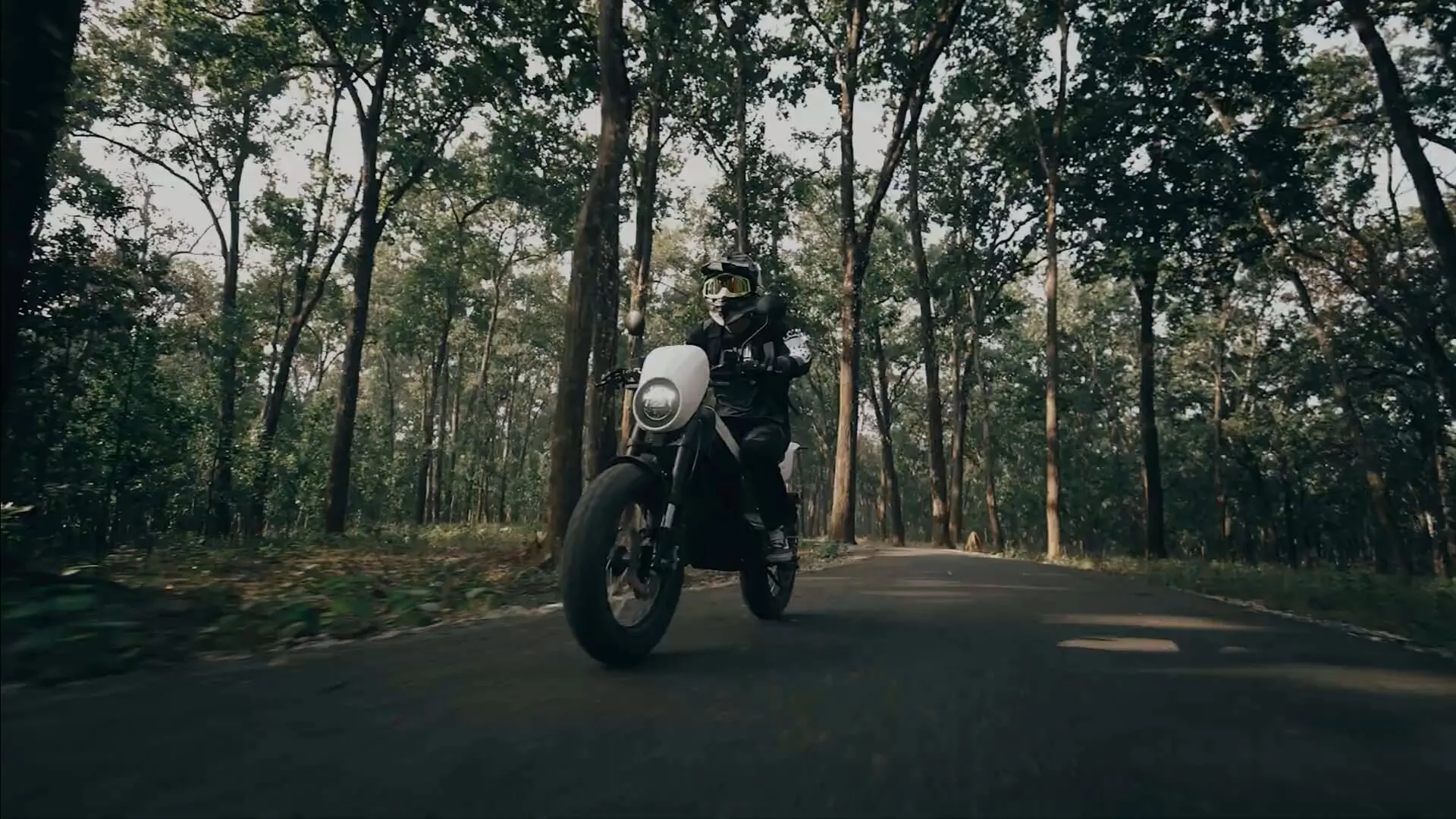
Yatri’s growing lineup of products is combined with data and connectivity services that inform users about charging station locations, optimal routes, riding patterns and more. The company’s first electric motorcycle, Project Zero, is a premium ‘café racer’ – a lightweight, vintage-style bike with a top speed of 140 kilometers per hour and a seven-inch screen with built-in 4G and navigation capabilities. Project One, meanwhile, is Yatri’s first commercial dual‑sport electric motorcycle, designed for everyday riding across Nepal’s varied terrain. Then there’s Yatri’s upcoming scooter – Project Two – which, unlike other e-scooters available – can scale the steep inclines on Nepal’s mountainous terrain without overheating, and at the same time presents a more budget-friendly option built for scalability and broader market coverage.
“Different users in Nepal have various needs,” Adhikary said. “If you want an urban commuter to take to the office and back, we have Project One. If you want a weekend trip, we might suggest Project Zero which offers upgraded features. We're meeting diverse needs through a varied range of products.”
The Need for Best-of-Breed Software Solutions
Designing multiple electric motorcycles that can navigate Nepal’s unique geography and terrain is a complicated endeavor. “We’ve had to contend with competing engineering challenges like power and range,” Adhikary said. “Until now, no company has been able to fully penetrate the EV market in Nepal. But we were determined to be the first.”
However, Yatri’s existing product development software was holding it back. The company was using multiple fragmented solutions to engineer Project Zero and Project One, and this hampered effective collaboration and slowed time-to-market. When Yatri discovered that Dassault Systèmes offered a full stack of products that would enable its teams – who are spread across different locations across the city – to design, iterate and validate multiple variants of its products from a single platform, it was immediately sold.
The Dassault Systèmes team was on hand to make sure the move to the 3DEXPERIENCE platform on the cloud was straightforward. “The sales team at Dassault has been wonderful in helping and supporting us through our journey, providing technical support whenever we need it and giving us access to their immense network of industry experts,” Adhikary said.
The solutions were quick to implement right out-of-the-box, and since they were familiar to many of the startup’s engineers – who had been taught on the tools during their education, and worked with them throughout their careers – they were intuitive to use.
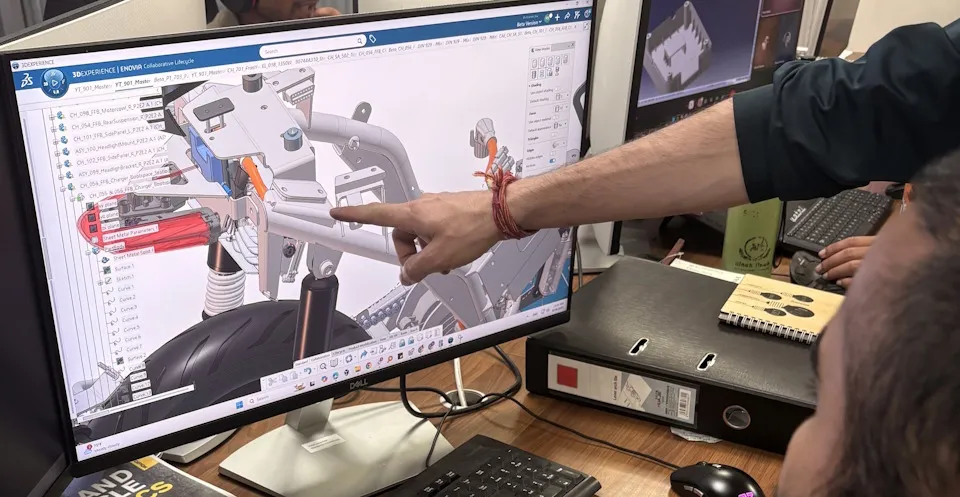
The 3DEXPERIENCE platform supports collaboration while MODSIM makes for a seamless product development workflow between Yatri’s designers and simulation engineers.
Embracing MODSIM with the 3DEXPERIENCE platform
By adopting the 3DEXPERIENCE platform, Yatri has been able to fully embrace a unified modeling and simulation (MODSIM) approach to product development.
“Let’s say we are working on the design of a chassis or a specific casing,” Adhikary said. “We begin by using CATIA to create a 3D model. Our designers come up with a few iterations of ideas. Once they are satisfied from a design standpoint, they pass it on to the simulation engineers.”
The simulation team then uses SIMULIA to evaluate the safety of the design and assess whether it is fit for purpose. For example, SIMULIA’s fatigue analysis capabilities help predict how a part might fail under certain loads over time. Yatri also uses its multibody dynamics analysis functionality to help determine how various parts behave as they interact in motion.
The role-based access to these tools has proved to be advantageous to Yatri. “For example, we only needed specific fatigue analysis features rather than the entire suite,” Adhikary said. “This allowed us to give each engineer only the tools they needed – saving costs and reducing complexity.”
The engineers run through the design iteration and simulation process as many times as required to optimize the final design – and ENOVIA plays a crucial role in tracking every step of this product development process.
“Keeping track of iterations and why certain engineering decisions were made is very necessary,” Adhikary said. “ENOVIA helps us handle the entire product lifecycle and has been critical in helping us develop our motorcycles quickly and effectively.”
Using MODSIM, we’ve achieved approximately a 40% reduction in the product development timeline.

Faster Development Equals Reduced Costs
The impact of Yatri’s MODSIM approach cannot be underestimated. “The main thrust behind the MODSIM approach is that you don’t have to create numerous physical prototypes and then test, figure out what’s wrong, and test again,” Adhikary said. “Using MODSIM, we’ve achieved approximately a 40% reduction in the product development timeline. We can analyze and optimize our designs in fine detail – and only then move forward with physical prototyping.”
Prior to adopting the 3DEXPERIENCE platform on the cloud, Yatri had taken three years to bring Project One to fruition. The platform’s combination of efficiency gains through more effective collaboration as well as a reduction in the number of physical prototypes required, has now led to considerable savings in time and cost for the development of Project Two. “With the 3DEXPERIENCE platform on the cloud, we initially expected to create a viable prototype of our Project Two motorcycle in twelve months,” Adhikary said. “But Dassault Systèmes’ solutions exceeded our expectations and we were able to accomplish that in around seven months.”
Yatri is realizing further cost savings, among other benefits. “Our team is often distributed across different parts of the city, and not everyone has consistent access to high-performance hardware,” Adhikary said. “So the cloud solution helps keep costs down on infrastructure and eliminates the need for sharing data through physical systems.”
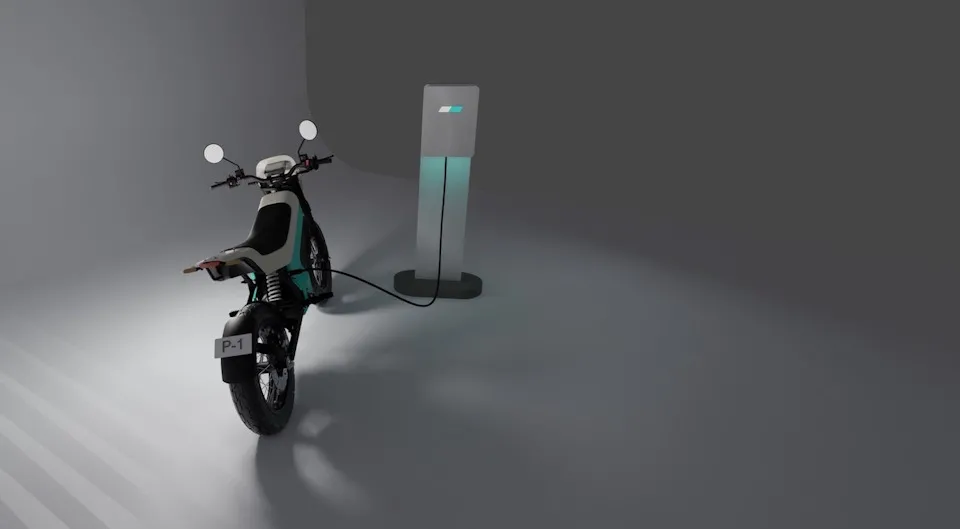
Yatri Design Studio is setting its sights on expanding its service infrastructure and digital ecosystem.
A Partnership for Growth
Yatri has an exciting journey ahead. Its next steps are to launch Project Two, refine and relaunch Project One, and begin research and development on a new scooter called Project Three which is expected to build on Project Two’s functionality for a more powerful version – all while expanding its service infrastructure and digital ecosystem.
“We have been impressed by Dassault Systèmes’ commitment to supporting us at every stage,” Adhikary said. “There was a clear willingness to grow alongside us as a startup. As a young company entering the electric motorbike industry, we needed more than just financial support – we needed technical guidance and a strong backbone to help us through product development. We saw that kind of commitment and enthusiasm in Dassault Systèmes through the support that’s been provided – and that was something we didn’t experience with previous software providers.”
With Dassault Systèmes on its side, Yatri believes it can do all of this and more. “We hope to expand our product range and grow our business with Dassault Systèmes solutions – not just for manufacturing and production, but also after-sales service,” Adhikary said. “We also want to incorporate more solutions from Dassault Systèmes so we can develop better and more reliable products. This will further help position ourselves as a leader in the EV market and to meet the current and future mobility needs of Nepal.”
Discover more about the Global Modular Architecture industry solution experience.
Focus on Yatri Design Studio
Yatri Design Studio was founded in Nepal in 2017. Built on the belief that switching to electric doesn’t have to be a compromise – it can be better, quicker and kinder to the planet – it wants to reinvent Nepal’s urban mobility landscape by creating an entire sustainable ecosystem of products and services. Besides its range of electric motorcycles, Yatri manufactures charging wall modules, fast chargers and has built a seamless service architecture to tie everything together into Yatri Hub.
For more information: https://www.yatrimotorcycles.com/
Motorcycles
Ensuring cycle futurists have industry-leading capabilities to develop and deliver high-performance, innovatively styled, new motorcycle and scooter experiences
Market Segment

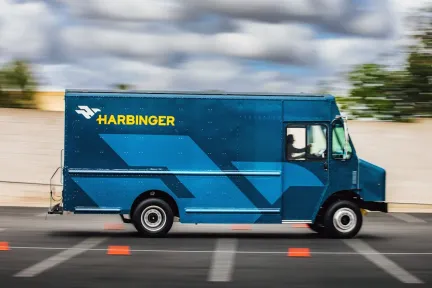
Harbinger
Discover how Harbinger innovates its battery-electric chassis to support medium-duty truck electrification with the 3DEXPERIENCE platform.
Customer Story
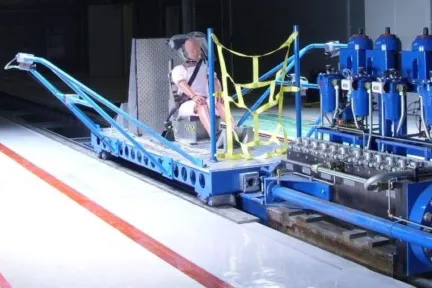
Samsong
Seatbelts OEM Samsong chooses 3DEXPERIENCE platform as its PLM solution provider.
Customer Story
Visteon Corporation
Visteon is a leading global automotive supplier that designs, engineers, and manufactures innovative components and systems for virtually every vehicle manufacturer worldwide.
Customer Story
Roding Mobility
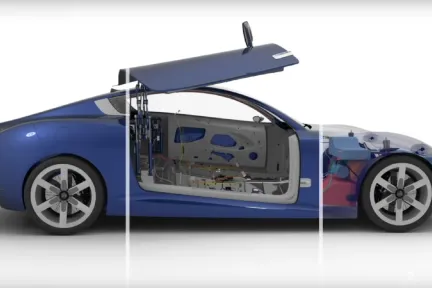
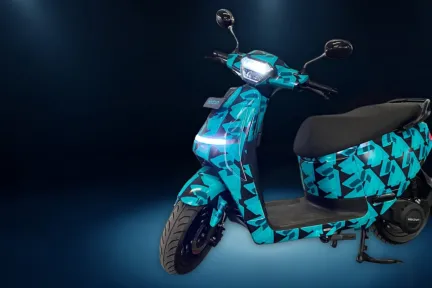
German engineering company Roding Mobility uses the 3DEXPERIENCE platform to manage its increasingly complex products such as electric mobility concepts.
Customer Story
Terraline
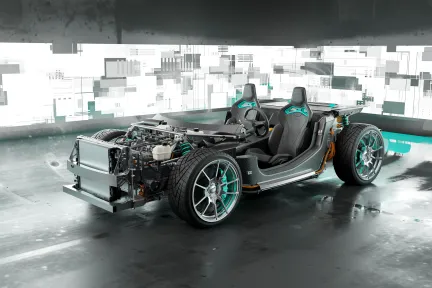
Discover how the 3DEXPERIENCE platform on the cloud supported Terraline build its revolutionary truck from scratch in a fast and scalable way.
Customer Story
Neta Auto
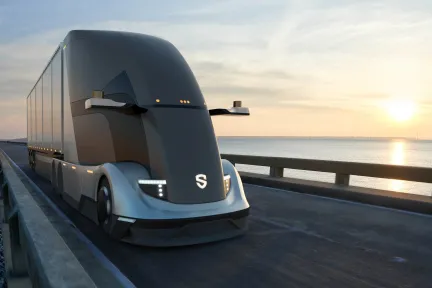
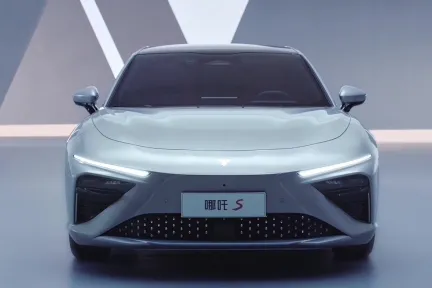
Discover how Neta Auto uses the 3DEXPERIENCE platform to develop luxury electric cars, saving significant costs and shortening the product development cycle.
Customer Story
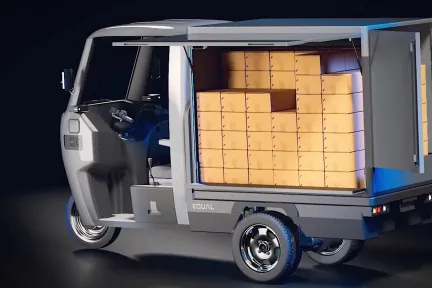
Equal
Equal was able to collaborate from design to engineering with the 3DEXPERIENCE platform on Cloud. The Korean startup could speed up their prototype design processes and bring their electric vehicle to market in record time.
Customer Story